
24/7 Customer Support

Free returns

Same-day & Next-day Delivery

Quality Guaranteed

Unlock Your Welcome Offers: FREE Delivery | Up to 80% OFF | Free 30-day JoyPlus trial
Download the APP
Frizz can be caused by humidity, dryness, heat styling, chemical processing and natural hair texture. In the UK, damp weather can make otherwise manageable hair look puffy or uneven within hours. The right anti-frizz hair treatments can improve softness, shine and manageability, but choosing by a dramatic front-label promise alone can lead to disappointing results.
This guide explains what to check before buying a frizz control hair treatment, then matches several options to different hair types and routines.
A silicone-based serum, oil or spray may make hair feel smoother immediately by coating the outer surface. That can be useful before styling, but it does not necessarily address dryness or damage. If your hair is brittle, bleached or frequently heat-styled, combine a smoothing product with a suitable damaged hair repair treatment or conditioning mask.
Rich oils and buttery masks may suit coarse or very dry hair, but can flatten fine hair or leave roots looking greasy. Lightweight mists and leave-in treatments are generally easier to control on thin, wavy or easily weighed-down hair. Apply most products from the mid-lengths to the ends rather than directly to the scalp.
Some humidity-resistant hair products need heat to create their intended finish. A heat-activated spray may be less suitable if you air-dry your hair regularly. Similarly, a rinse-off conditioner cannot replace a leave-in product when you need protection during a commute, overnight styling or between washes.
Identify whether you need:
Following the directions matters. For example, heat-activated sprays need thorough blow-drying, while masks usually require a set processing time before rinsing.
Fine hair often benefits from mists, lightweight conditioners and small amounts of oil. Thick, coarse, curly or highly porous hair may need richer conditioning ingredients such as fatty alcohols, oils, proteins or smoothing polymers.
Check the ingredient list if you have known sensitivities. Fragrance allergens, preservatives and botanical extracts can appear in hair products, so discontinue use if irritation develops and follow the packaging warnings.
“Humidity resistance” refers to a product’s ability to help limit moisture-related swelling or frizz at the hair surface. It is not a guarantee that hair will remain unchanged in every weather condition. Look for clear instructions about application, frequency and heat activation.
If you use straighteners, curling tools or a hairdryer, check whether the product specifically lists heat protection and the temperature range. Do not assume every anti-frizz serum offers thermal protection.
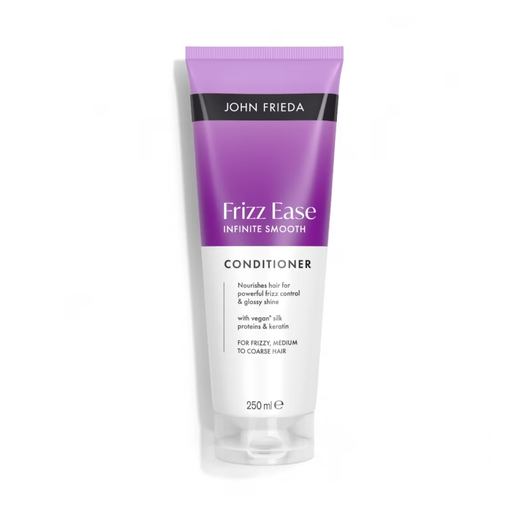
Why This Fits Their Persona: A straightforward everyday conditioner for people beginning a frizz-control routine after shampooing, including those with dry or colour-treated hair.
It is a rinse-off formula with clear one-to-two-minute directions, making it less likely to be over-applied like a leave-in product.
Contains argan oil, hydrolysed keratin and panthenol; the 250ml size suits regular use.
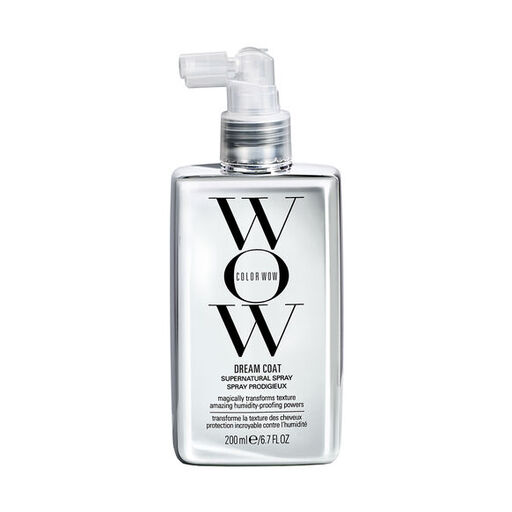
Why This Fits Their Persona: A practical choice for those who regularly blow-dry and want a lightweight spray designed around a polished, glossy finish.
The instructions specify sectioning, tension drying and avoiding other wet styling products, so expectations are clearer than with an unspecified anti-frizz spray.
Heat-activated format; listed as suitable for colour-treated and chemically treated hair.
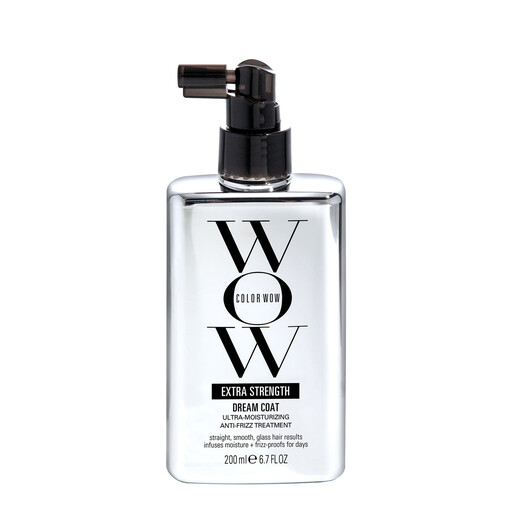
Why This Fits Their Persona: Intended for thick, coarse, curly or particularly unruly hair that needs a stronger styling-focused approach during damp UK weather.
It clearly requires a thorough blow-dry to activate the formula, avoiding the common mistake of expecting full results from air-drying.
Extra-strength format; lightweight, non-sticky finish according to the product description.
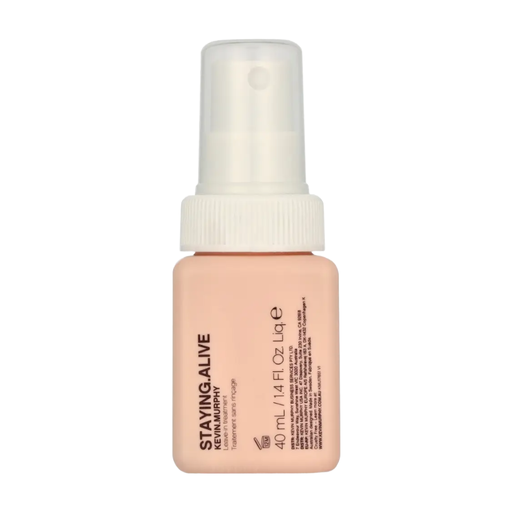
Why This Fits Their Persona: A compact mist for people who want to refresh dry, frizzy or colour-treated lengths on damp or dry hair without a rinse.
The spray format supports controlled application, reducing the risk of applying too much rich oil or cream to fine hair.
Can be used on damp or dry hair; includes hydrolysed silk, glycerin and amodimethicone.
We have compiled a complete, real-time list of products that fully satisfy these strict selection criteria and UK safety regulations.
Conditioner can usually be used each time you wash, provided the label directions suit your hair. Intensive masks and boosting treatments are often designed for weekly use, while heat-activated sprays may be intended for occasional application between several washes. Always follow the individual packaging instructions.
Many are, but the ideal choice depends on whether you want to define curls or create a straighter, smoother finish. A lightweight leave-in can reduce flyaways while retaining movement. A heat-activated smoothing spray is more appropriate when you plan to blow-dry with tension.
Usually not. Hair oil can add slip, surface shine and a softer feel, but it may not provide the conditioning, humidity resistance or heat protection associated with a dedicated smoothing hair treatment. Use a small amount on the ends alongside, rather than instead of, the product your hair type requires.