Daylight lounge quiz viewers
If windows or lamps reflect in the screen, questions, captions and scores can become harder to follow. Reflection handling deserves particular attention; RTINGS notes that brightness alone may not overcome glare.


Start with reflection handling rather than a headline brightness figure: RTINGS explains that brightness alone may not overcome glare. A Mini LED LCD with a declared anti-reflection feature is worth considering when windows or lamps face the screen. A bright OLED may also suit viewers who value dark-scene contrast after the quiz, but check the exact model and size against the reflections in your lounge.
If windows or lamps reflect in the screen, questions, captions and scores can become harder to follow. Reflection handling deserves particular attention; RTINGS notes that brightness alone may not overcome glare.
If you watch quizzes in daylight and films or dramas after dark, weigh daytime readability against the dark-scene contrast you want. Check reflections on the exact screen rather than choosing by display type alone.
If you move between live quizzes and catch-up programmes, check the services and connections you use. GOV.UK says watching or recording live TV, or using BBC iPlayer, requires a TV Licence.
Consider it when: Daylight or a lamp regularly faces the TV and reading quiz graphics is the priority.
Keep in mind: Mini LED and brightness claims do not establish how well a particular screen controls reflections.
Consider it when: You also value black-level contrast for evening viewing and can assess the exact screen against your lounge lighting.
Keep in mind: Manufacturer brightness or screen-finish claims cannot guarantee that a window reflection will be unobtrusive from your seat.
| Concern | What to check | Who this matters to |
|---|---|---|
| Glare and reflections | Check the exact model’s screen treatment and, if possible, independent reflection measurements or the screen from your planned seat. | When daylight hits the screen, I want to read questions and scores without fighting window reflections; around 50% of consumers put reflection control first. |
| Day-to-night picture balance | Compare the exact screen’s daytime visibility and dark-scene presentation; check local dimming where the model has it. | If I switch between bright quizzes and evening drama, I need clear text without overlooking darker scenes; around 30% of consumers prioritise picture balance. |
| Programme access and setup | Confirm your apps and input connections. For live TV or BBC iPlayer, check the household’s TV Licence position; compare energy information for the exact models. | For live quizzes and catch-up, I want the services I use to fit my setup; roughly 20% of consumers make access and setup their main concern. |
A bright picture does not necessarily stop a window or overhead light appearing in the screen. RTINGS advises considering reflection handling as well as brightness.
Check model-specific screen-finish information and independent reflection results where available. Viewing the screen from your planned seating position can help you judge a distracting reflection.
Specifications and supplied configurations can differ between sizes or variants. Sony, TCL and LG describe the features cited here for particular models.
Match the full model code and size on the retailer listing to the manufacturer’s specification and product information sheet.
Owning a smart TV is not the deciding factor. GOV.UK says a TV Licence is required to watch or record live TV on any channel or service, or to use BBC iPlayer.
Check your household’s licence position before using either of those viewing routes.
A display name or picture feature is not a substitute for comparing the energy information for the televisions you are considering.
Check each exact model’s energy label and product information sheet alongside its bright-room features.
These model-specific examples offer points of comparison, not a judgement about every television made by each brand.
Sony’s UK specification for the 55-inch BRAVIA 5 K-55XR5 describes a Mini LED LCD route with an anti-reflection feature.
TCL’s UK listing for the 50-inch C805K describes a QLED Mini LED option with Google TV.
LG positions its OLED G5 models as a brighter OLED route for viewers balancing daytime and evening programmes.
Samsung’s UK QN90F listing provides a Neo QLED Mini LED family to compare across screen sizes.
These OLED, Mini LED and LED options are relevant to quiz-show viewing in a bright lounge. For each one, check the exact screen’s reflections before relying on its display type or brightness-related features.
 No image available
Consider this OLED if evening viewing matters alongside daytime quizzes. Check the listing’s anti-glare claim against reflections from your usual seat rather than treating it as a reflection-test result.
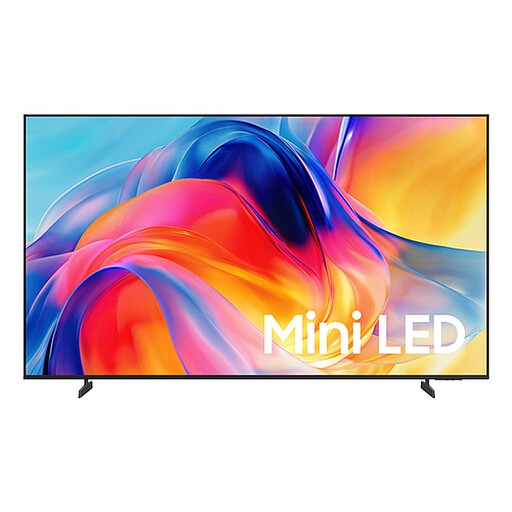 No image available
For a larger quiz-show screen, check whether 65 inches suits your seating position. Confirm the exact model’s reflection treatment and the services you intend to use before choosing it for a bright room.
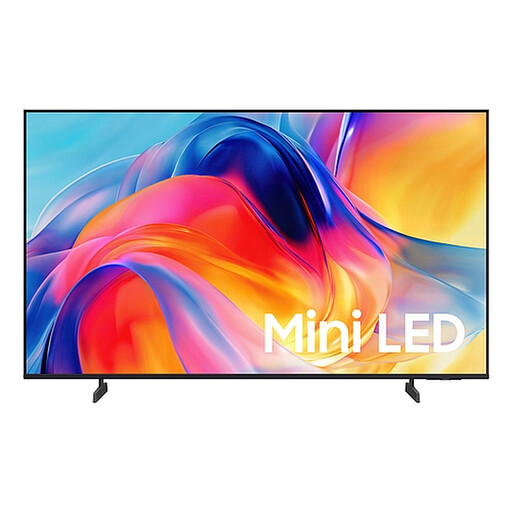 No image available
If 55 inches fits the lounge, compare this model’s screen finish with the light falling on your TV position. Check that the exact television supplied supports your preferred viewing services.
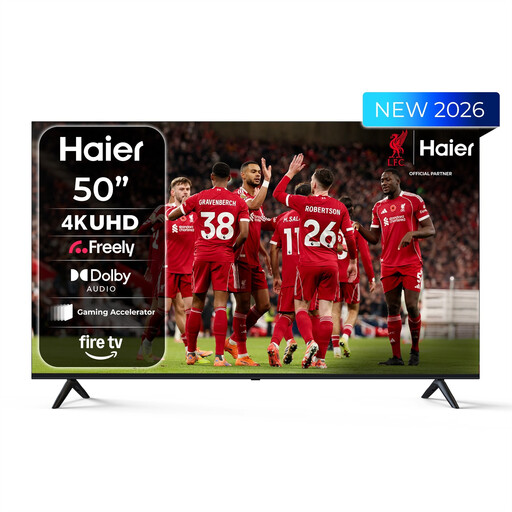 No image available
Consider this model if its listed viewing services suit how you watch quizzes. Check the screen’s reflections in your room; streaming also requires internet access, and some apps may require subscriptions. The product title states energy rating E.
 No image available
For a lounge that can accommodate a 75-inch screen, compare viewing distance and window position before buying. The title lists a 144Hz native refresh rate and up to 2048 local-dimming zones; neither figure establishes reflection performance. Confirm the broadcast tuner and services you need.
No. GOV.UK says you need a TV Licence if you watch or record live TV on any channel or service, or use BBC iPlayer. Buying or owning the set alone does not decide whether you need one.
Check reflection handling for the exact model and size, ideally using independent measurements or a view of the screen from your planned seat. RTINGS explains that brightness can help with glare but does not replace good reflection handling.
Compare the energy label and product information sheet for each exact model, rather than relying on the display technology name. UK government energy-information guidance covers televisions and describes these documents for products within its scope.