
24/7 Customer Support

Free returns

Same-day & Next-day Delivery

Quality Guaranteed

Unlock Your Welcome Offers: FREE Delivery | Up to 80% OFF | Free 30-day JoyPlus trial
Download the APP
Choosing an anti-perspirant deodorant spray can seem straightforward until you compare protection claims, can sizes, fragrances and skin-comfort features. A low-priced aerosol may not suit your clothing, a travel-size can may run out sooner than expected and a strong fragrance can become unpleasant during a long commute or workout.
This guide from the Joybuy Product Recommendation Officer focuses on the practical details that matter when shopping in the UK, helping you avoid marketing traps and select a spray that fits your routine.
A product marked with 72-hour sweat protection is not necessarily intended to replace everyday washing or application. The figure describes the product’s stated protection period under specified conditions, but your activity level, clothing, weather and application technique can affect your experience.
For most people, apply anti-perspirant to clean, dry underarms as directed. Consider whether you genuinely need a long-duration formula or whether a 48-hour product is sufficient for work, commuting and everyday errands.
An invisible anti-perspirant is designed to reduce visible white marks or residue, particularly on dark clothing. However, spraying too closely, applying too much or dressing before the product dries can still leave unwanted transfer.
If clothing protection is important, look for a product specifically described as invisible or designed to help prevent white marks and yellow stains. Follow the recommended spray distance rather than relying on the label alone.
A fresh fragrance deodorant may smell appealing in the shop but can feel overpowering after several hours. Fragrance ingredients may also be unsuitable for some personal preferences or sensitive skin routines. Check the ingredient list and look for an alcohol-free deodorant if that is a priority.
Can size is another frequent oversight. A 150ml or 250ml aerosol is more suitable for regular home use, while a 75ml travel-size deodorant is easier to store in a gym bag or luggage. Always check current airline and luggage requirements before travelling with aerosols.
An anti-perspirant contains an aluminium-based active ingredient intended to help reduce underarm wetness, while deodorant primarily addresses odour. Many aerosol products combine both functions.
Compare the stated protection period, such as 48-hour or 72-hour protection, but treat it as a product specification rather than a guarantee of identical results for every user. Body heat-activated systems and MotionSense technology may release fragrance as you move, but they do not remove the need for correct application.
Look for features that match your preferences:
Do not apply aerosol deodorant to broken or irritated skin. Stop using it if a rash or irritation develops.
Aerosol deodorant is commonly sold in 75ml, 150ml and 250ml cans. Larger cans can offer more applications for home use, while smaller cans suit occasional use or carrying in a personal-care bag.
Several products in this selection use a recyclable aluminium can. Confirm local council recycling guidance before disposal and never pierce, crush or burn an aerosol can. For safe application, shake well, hold the can approximately 15cm from the underarm, spray in short bursts in a well-ventilated area and keep away from heat and ignition sources.
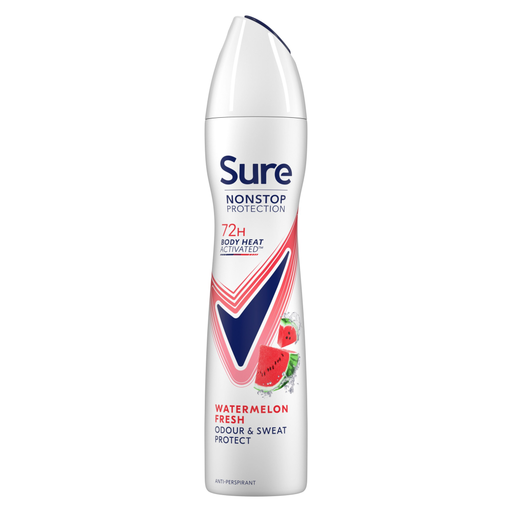
Why This Fits Their Persona: The 250ml can is practical for regular home use, while the alcohol-free formula and fresh watermelon scent suit shoppers seeking a straightforward daily option.
Its stated 72-hour protection is presented alongside clear application and flammability instructions, making it easier to assess the practical product requirements.
250ml format; alcohol-free formula; watermelon fragrance; aluminium can.
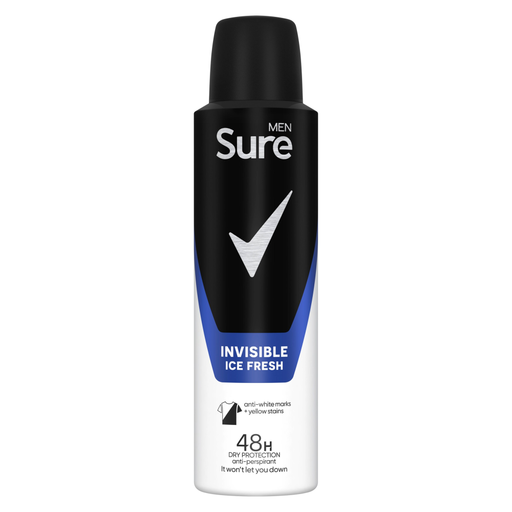
Why This Fits Their Persona: This suits shoppers who prioritise clothing appearance, a clean citrus fragrance and an aerosol that dries with an invisible finish.
The product description specifically addresses white marks and yellow stains, while still advising users to allow the spray to dry before dressing.
150ml size; invisible finish; alcohol-free formula; Ice Fresh citrus fragrance.
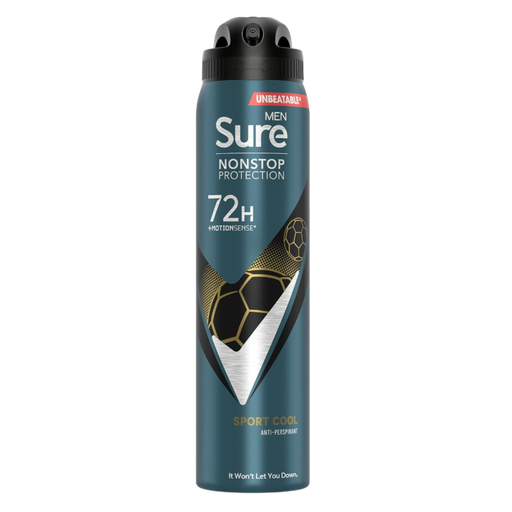
Why This Fits Their Persona: The larger can and sport-oriented mint and citrus scent are suited to active routines involving commuting, gym sessions or extended days away from home.
It combines a clearly stated 72-hour protection period with an alcohol-free formula and detailed aerosol safety guidance, rather than relying only on fragrance-led marketing.
250ml format; alcohol-free formula; mint and citrus scent; recyclable aluminium can.
We have compiled a complete, real-time list of products that fully satisfy these strict selection criteria and UK safety regulations.
Use an anti-perspirant deodorant spray only on clean, dry underarms. Shake the can, hold it upright at the stated distance and use short bursts rather than prolonged spraying. Apply in a ventilated area and avoid inhaling the mist.
Aerosols are extremely flammable pressurised containers. Keep them away from flames, sparks, hot surfaces and direct sunlight and do not expose them to temperatures above 50°C. Keep cans away from children and follow the warning label printed on the packaging.
Many products are designed for daily use when applied as directed. Avoid broken or irritated skin, do not spray near the eyes and discontinue use if irritation occurs. Check the product label if you have specific ingredient preferences.
Lifespan depends on how often you spray, the number of bursts per application and whether the can is shared. A 250ml can generally contains more product than a 150ml can, while a 75ml travel-size deodorant is intended for portability rather than extended household use.
An alcohol-free formula avoids alcohol as an ingredient, which may suit shoppers who prefer a gentler-feeling spray. It cannot guarantee that irritation will not occur, as fragrance and other ingredients may also affect individual skin comfort. Always follow the label and stop use if a reaction develops.