
24/7 Customer Support

Free returns

Same-day & Next-day Delivery

Quality Guaranteed

Unlock Your Welcome Offers: FREE Delivery | Up to 80% OFF | Free 30-day JoyPlus trial
Download the APP
A brisk walk with your canine companion can quickly turn into a frustrating tug-of-war if your dog pulls on the lead. This common issue not only strains your arm and shoulder but can also be unsafe for both you and your dog. Fortunately, a range of dog training aids are available to help encourage calmer, more controlled walks.
Many UK dog owners find themselves comparing an anti pull dog harness and headcollar, wondering which is the right choice. This guide is designed to help you understand the differences between these tools, what to look for when buying one and to highlight some recommended options to help you and your dog enjoy your walks together again.
Before you decide, it's helpful to understand the key differences and features that contribute to an effective and humane training experience.
The primary distinction lies in how they function.
Regardless of which type you choose, a proper fit is paramount. A poorly fitting device can cause chafing, discomfort or may not work effectively. Look for a comfortable dog harness or headcollar with:
The equipment you use to walk your dog is a piece of safety equipment. Look for strong, durable materials like high-grade nylon webbing or quality leather. Stitching should be robust, and any clips, D-rings or buckles should be made from strong metal or high-impact plastic to withstand daily use and the force of a determined puller.
Here are a few options to consider, each offering a different approach to help stop a dog pulling on the lead.
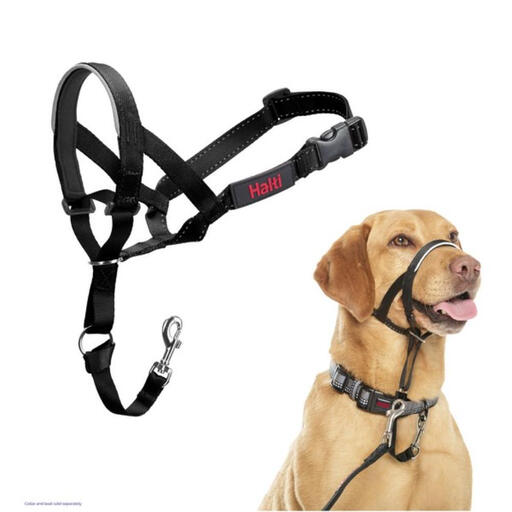
Why It Stands Out: The Halti headcollar is a widely recognised name in dog training for a reason. This design focuses on gently steering the dog's head, giving the handler a greater degree of control with minimal effort. This pack is particularly useful as it includes a versatile, double-ended training lead.
Pros:
Who is it for? This is a solid choice for owners of medium to large dogs that are strong pullers. It provides a high level of control, making it suitable for walking in busy areas or for handlers who struggle physically against their dog's strength.
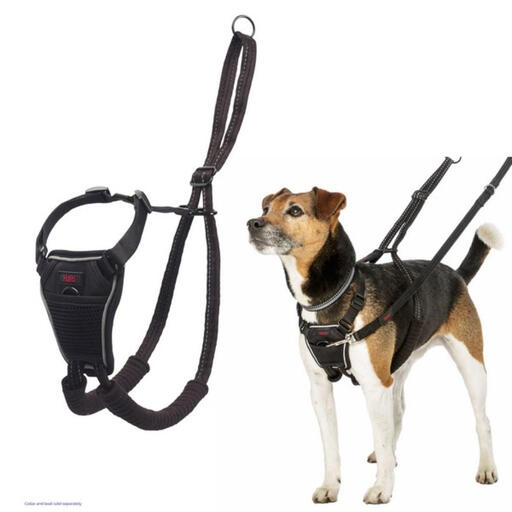
Why It Stands Out: For those who prefer a body harness, this Halti model offers a thoughtful design. It uses a unique system that applies a gentle "squeeze and lift" pressure when the dog pulls, discouraging the behaviour without causing discomfort. The elastic webbing and mesh chest panel allow for a good range of motion.
Pros:
Who is it for? This is an excellent option for dog owners who are looking for an alternative to a headcollar. It's particularly well-suited for dogs with short snouts (brachycephalic breeds) or those who are sensitive about things on their face.
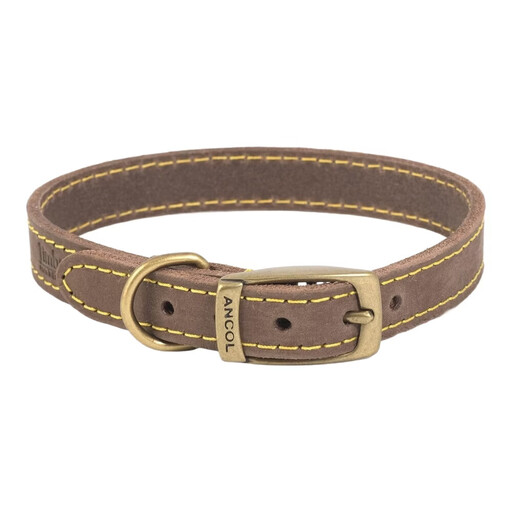
Why It Stands Out: While not a training device on its own, a high-quality, durable collar is an essential piece of kit. The Ancol Timberwolf collar is handcrafted in the UK from premium top-grain bridle leather, making it both strong and supple. It serves as the perfect anchor for the safety link on a headcollar or as a reliable everyday collar for a dog who has learned to walk politely on a lead.
Pros:
Who is it for? This collar is for any dog owner who values traditional craftsmanship, durability and style. It's an ideal partner for a headcollar's safety clip or for dogs that have graduated from anti-pull training and simply need a dependable and comfortable collar for daily walks.
The journey to perfect loose-lead walking is different for every dog. If the options above aren't quite what you're looking for, or if you'd like to explore other styles, there is a wide variety of equipment available.
Browse our full collection of dog collars and walking accessories to find the ideal fit for your companion.
When fitted correctly and introduced positively, these tools are designed to be safe and humane dog training aids. They work by redirecting your dog's movement, not by causing pain or punishment. It is important to ensure the device fits properly and to associate it with positive experiences, like treats and fun walks.
Gradual introduction is key. Start by letting your dog investigate the headcollar and reward them with praise and treats. Use a treat to lure their nose through the loop for a few seconds at a time, gradually increasing the duration. Keep sessions short and positive before you attempt to use it on a walk.
Yes, once your dog is comfortable and the harness is fitted correctly, it can be used as their regular walking harness. It's always a good practice to check the fit before each walk and to inspect the harness regularly for any signs of wear and tear or rubbing on your dog's skin.