
24/7 全天候客户支持

免费退货

当日/次日达

品质保障

开启新人专享福利: 全场免邮 | 低至 2 折 | 免费试用 30 天 JoyPlus 会员
下载 Joybuy
Fine lines, dryness, puffiness and reduced firmness can make choosing an anti-wrinkle cream surprisingly complicated. A rich night cream may feel uncomfortable during the day, while a lightweight formula may not provide enough nourishment for dry, mature skin. Marketing language can also make similar-looking products appear very different.
The practical approach is to compare the formula, intended use, texture, SPF and application area rather than relying on dramatic promises. Here are the main buying traps to avoid, followed by a selection of products matched to different skincare needs.
A day cream with SPF can be convenient, but the protection level varies. SPF15, SPF25 and SPF30 are not interchangeable, and the amount applied affects the protection received. A face cream with SPF should not encourage prolonged sun exposure. For extended time outdoors, use a dedicated broad-spectrum sunscreen, protective clothing and shade, following the product instructions.
A rich formula can help dry skin feel comfortable, particularly overnight, but may feel heavy on combination or oily skin. Conversely, a fast-absorbing gel or lotion may suit daytime layering and make-up but feel insufficient for very dry skin. Check whether the product is described as a rich cream, lightweight lotion, gel or whipped texture.
Cost does not determine whether a product works comfortably with your skin. Ingredient preferences, fragrance tolerance, pack size and intended use are more useful comparison points. For example, a 15ml eye cream is designed for a small application area, while a 50ml face cream is intended for broader daily or nightly use.
Look for ingredients that support hydration and a smoother-looking surface, such as glycerin, hyaluronic acid or its derivatives, niacinamide, peptides, Q10, panthenol and emollient oils. These ingredients do not make medical or permanent claims, but they can help skin feel moisturised and make dehydration lines look less noticeable.
If you are considering a retinol night cream, introduce it gradually and follow the packaging instructions. Retinoid-derived ingredients may be unsuitable for some people, particularly those with highly reactive skin. Patch testing is sensible, and daytime sun protection remains important.
A day cream with SPF can combine moisturising with everyday UV protection. Products in this selection include SPF15, SPF25 and SPF30 options. SPF does not replace sensible sun-protection measures or automatic reapplication outdoors.
Night products generally focus on richer textures and moisture retention rather than UV protection. A night cream for wrinkles may be more comfortable after cleansing, especially if your skin feels tight in the evening.
An ordinary face cream is not automatically suitable for the eye area. Eye products are usually packaged in smaller quantities because only a small amount is needed. Apply around the orbital bone rather than directly onto the eyeball or inner eyelid, and stop using any product that causes persistent irritation.
For a single forehead line or expression-prone area, a targeted wrinkle corrector may be more practical than applying a full layer of face cream everywhere.
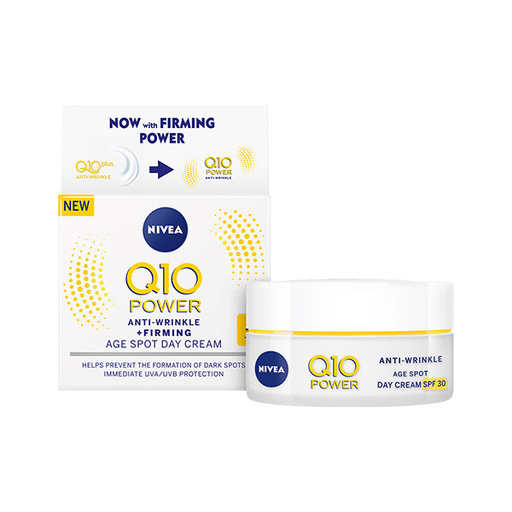
Why This Fits Their Persona: A straightforward morning option for shoppers starting a hydrating anti-ageing skincare routine and wanting moisturiser with SPF30 in one 50ml jar.
It clearly identifies daytime use and SPF30, reducing confusion between a night cream and a UV-protective moisturiser. A separate sunscreen may still be appropriate outdoors.
Contains Q10, creatine, hyaluronic acid and SPF30; designed for face, neck and décolletage application.
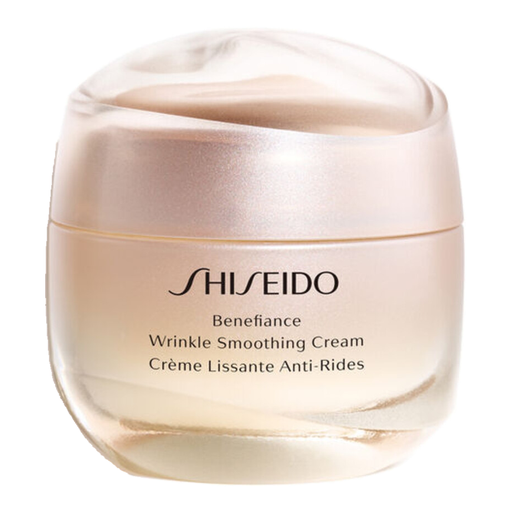
Why This Fits Their Persona: Suits shoppers who prefer a silky daily cream with a more substantial skincare ritual for normal, dry or combination skin.
The product information specifies a lightweight, rapidly absorbing texture, helping buyers distinguish it from a very heavy firming face cream.
Includes niacinamide and plant extracts; suitable for morning and evening use according to the product directions.
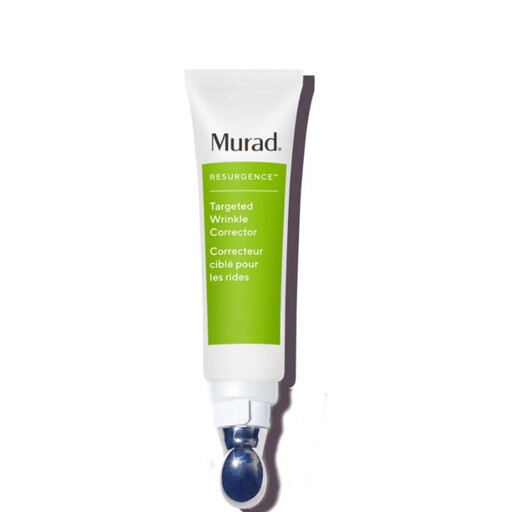
Why This Fits Their Persona: Designed for shoppers who want to focus product on expression-prone areas such as the forehead, around the mouth or selected eye-area zones.
Its 15ml format and targeted directions make the intended application clear, avoiding the waste of using a concentrated corrector across the entire face.
Contains acetyl hexapeptide-8, squalane, tocopherol and sodium acetylated hyaluronate; the formula is described as fast absorbing.
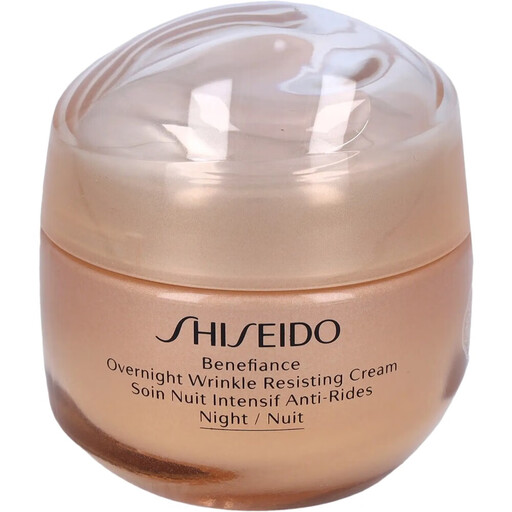
Why This Fits Their Persona: A suitable match for those who prefer a rich evening ritual and want a nourishing anti-ageing face cream after cleansing and serum.
It is clearly labelled for overnight use, so shoppers do not mistake a rich moisturising cream for a daytime SPF product.
The 50ml formula includes niacinamide, glycerin and sodium acetylated hyaluronate, with a rich cream texture for nightly application.
It can be, but suitability depends on the full ingredient list and your individual tolerance. Fragrance, alcohol and active ingredients may concern some sensitive-skin users. Patch test first, avoid damaged skin and stop use if persistent redness, itching, burning or swelling develops.
The lifespan depends on how much you apply, how often you use it and whether it is used on the face, neck and décolletage. A pea-sized or product-directed amount is generally more practical than applying a thick layer. Check the packaging for the period-after-opening symbol and storage guidance.