
24/7 Customer Support

Free returns

Same-day & Next-day Delivery

Quality Guaranteed

Unlock Your Welcome Offers: FREE Delivery | Up to 80% OFF | Free 30-day JoyPlus trial
Download the APP
By Joybuy Product Recommendation Officer
Choosing anti-ageing skincare is rarely as simple as selecting the product with the most impressive claims. UK shoppers often compare anti-wrinkle creams, serums and eye treatments based on promises of fast results, without checking whether the formula, texture or application method suits their skin.
A more practical approach is to assess the ingredients, intended use and tolerability before buying. This guide explains the common traps, the specifications worth checking and our top recommendations for different skincare needs.
Some products create an immediately smoother appearance through moisturising ingredients, silicones or light-reflecting particles. This can be useful before make-up, but it does not necessarily mean that deeper wrinkles have changed.
Look for a clear distinction between:
A sensible anti-wrinkle cream or serum should fit consistently into your routine rather than relying on a dramatic one-off promise.
Premium packaging and a long ingredient list do not automatically make a product suitable for mature or sensitive skin. Fragrance, alcohol denat., essential oils and richer emollients may be comfortable for some people but less suitable for others.
Always check the current packaging and full ingredient list, particularly if you are prone to sensitivity, dry patches or irritation around the eyes.
Eye-area lines, dehydration lines, forehead wrinkles and loss of firmness require different product textures and application areas. An eye cream for wrinkles may be designed for delicate skin, while a facial serum is generally intended for broader application.
A targeted product can be useful, but buying several overlapping formulas may add cost without making your routine easier to follow.
Ingredient selection should match your main concern:
Ingredients alone do not determine performance. The concentration, formula stability, packaging and your consistency of use also matter.
A thick cream may suit dry or mature skin, particularly during colder UK weather, while a lightweight gel or serum can be easier to layer beneath SPF and make-up.
Check whether the product is intended for:
If your routine already contains several active products, a simpler moisturiser or peptide-based formula may be easier to tolerate than adding multiple strong treatments at once.
Cosmetic products should be used only as directed. Avoid applying skincare to broken or inflamed skin, and keep eye products away from the eyeball and inner eye area.
For sensitive skin, conduct a small patch test before wider use. Stop using a product if persistent redness, itching, swelling or discomfort develops. Daytime routines should also include a suitable broad-spectrum sunscreen; SPF in a day cream may not provide sufficient protection if too little product is applied.
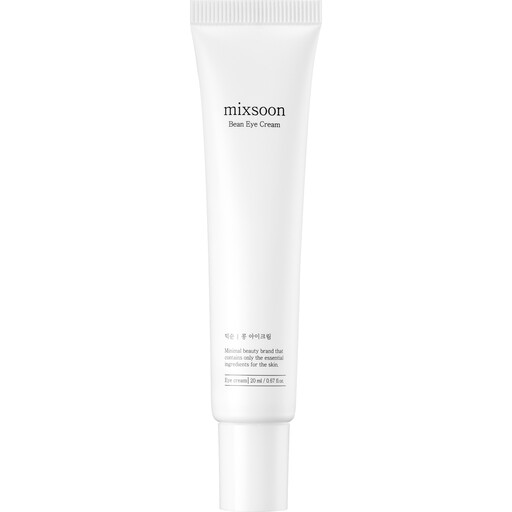
Why This Fits Their Persona: A 20ml targeted eye cream is a straightforward entry point for shoppers who want to address fine lines and dullness without changing their entire routine.
Its lightweight, non-sticky texture makes it less likely to feel heavy under concealer, while the ingredient list can be checked before purchase.
Contains fermented soybean, rice and ginseng extracts, plus niacinamide, panthenol and adenosine. It can also be applied to the forehead, smile lines and neck.
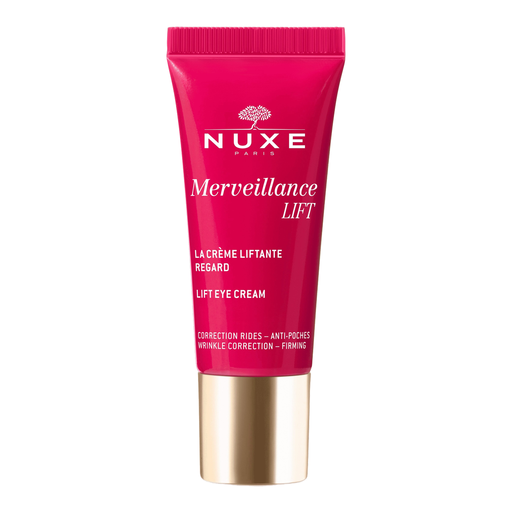
Why This Fits Their Persona: Suitable for shoppers seeking a richer eye contour texture and a formula designed around hydration, comfort and the appearance of firmness.
The product information identifies its texture, intended eye-area use and ophthalmological testing, rather than relying only on a general anti-ageing label.
Includes hyaluronic acid, squalane and shea butter. The brand states that the formula contains 94% natural-origin ingredients and is suitable for sensitive eyes and contact lens wearers.
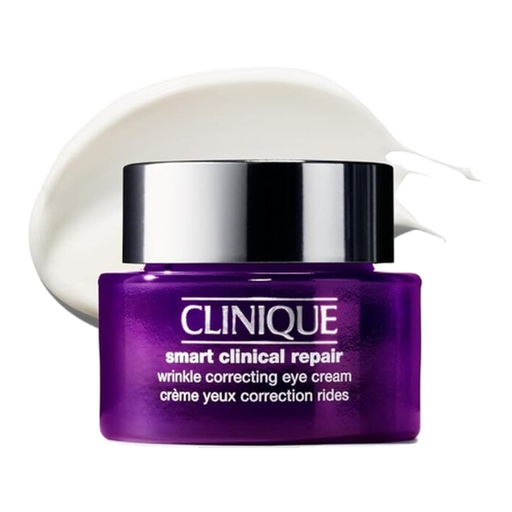
Why This Fits Their Persona: A practical choice for people who prioritise a fragrance-free eye product and want a whipped texture that layers neatly with other skincare.
It is ophthalmologist tested and listed as free from fragrance and oil, helping shoppers compare tolerability factors rather than judging from packaging alone.
Contains peptides, sodium hyaluronate, caffeine and Sigesbeckia Orientalis Extract in a lightweight cream formula.
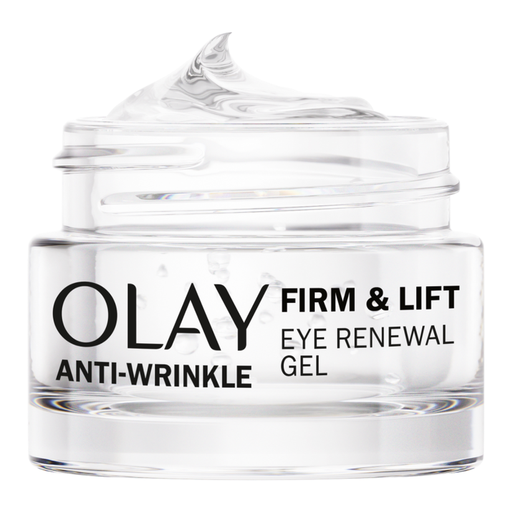
Why This Fits Their Persona: Designed for morning and evening use when puffiness, tired-looking eyes and make-up layering are the main priorities.
Its gel format addresses the problem of choosing a heavy cream for daytime use, particularly when concealer or eye make-up is part of the routine.
Contains niacinamide, panthenol, glycerin and sodium hyaluronate. The product is specifically formulated for the eye area and absorbs quickly.
We have compiled a complete, real-time list of products that fully satisfy these strict selection criteria and UK safety regulations.
A simple routine is easier to maintain:
Consistency, careful layering and realistic expectations are more useful than repeatedly switching between products.
Hydration can make skin look smoother relatively quickly, but visible changes in fine lines and firmness generally require regular use over several weeks. Results vary according to skin condition, product formula, application and sun exposure.
They serve different roles. A serum is usually lighter and designed to deliver targeted ingredients, while a cream focuses more on moisturising and reducing water loss. Many routines use a serum beneath a moisturiser, but you do not necessarily need both.
Cosmetic skincare can improve the appearance of dryness, fine lines and uneven texture, but it cannot permanently remove wrinkles. If a product includes performance statistics, read them as information from the brand or a particular usage study, not as a guaranteed individual result.