
24/7 Customer Support

Free returns

Same-day & Next-day Delivery

Quality Guaranteed

Unlock Your Welcome Offers: FREE Delivery | Up to 80% OFF | Free 30-day JoyPlus trial
Download the APP
Fine lines, dullness, enlarged pores and reduced firmness can make shopping for skincare feel unnecessarily complicated. Search results are filled with promises about collagen, “instant lifting” and deep penetration, yet a higher price or longer ingredient list does not automatically mean a serum will suit your skin.
The most useful approach is to compare the formula, usage instructions and skin suitability rather than relying on dramatic before-and-after language. This guide explains what to check when choosing a firming serum, wrinkle serum, collagen serum or peptide serum, followed by three options for different shopping priorities.
Humectants such as glycerin and hyaluronic acid attract water to the skin’s surface. This can make dry fine lines look less noticeable while the skin is hydrated, but it is not the same as permanently removing wrinkles. A hydrating face serum can still be valuable, particularly for dry or mature skin, but expectations should match the product’s cosmetic function.
Ingredient quantities such as PPM, peptide complexes or collagen concentrations can help you compare products, but they do not show how your skin will respond. Delivery systems and the complete formulation also matter. Be cautious of claims about reaching a specific number of skin layers or producing lasting results after one application unless the evidence and testing conditions are clearly explained.
A product labelled for sensitive skin may still contain fragrance, essential oils, alcohol or exfoliating acids. Always read the current ingredient list on the packaging. Products containing salicylic acid, retinoid derivatives or exfoliating ingredients may require slower introduction, while fragrance-free formulas can be a simpler choice for reactive skin.
Gel and water-based serums are often easier to layer under moisturiser and make-up, which can be useful in a cool, damp UK climate. Richer formulas may be more comfortable for dry skin but can feel heavy on oily or combination skin.
Apply serum after cleansing and, if used, toner. Follow with moisturiser. In the morning, finish with a broad-spectrum sunscreen. Do not introduce several strong actives at once, as this makes it difficult to identify the cause of irritation.
Most facial serums contain around 15–50ml. A 15ml bottle may be suitable for targeted use, while a 30ml or 50ml product can be more practical for daily face-and-neck application. Follow the product’s stated directions: the Medicube One Day Exosome Shot Pore Ampoule, for example, is listed for use every three days, whereas several other products are designed for morning and evening use.
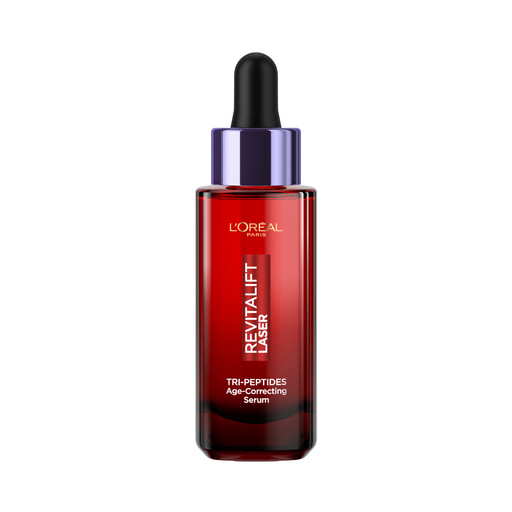
Why This Fits Their Persona: A straightforward daily option for shoppers wanting one serum to address hydration, radiance and the appearance of fine lines without building a complicated routine.
Its listed formula identifies the key actives—peptides, hyaluronic acid and Vitamin Cg—rather than relying only on broad anti-ageing language.
Lightweight texture; designed for morning and evening use; suitable for all skin types according to the product information.
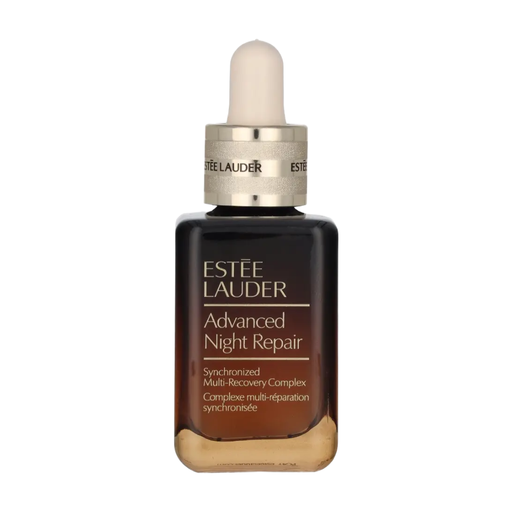
Why This Fits Their Persona: Suitable for shoppers seeking a well-known premium serum with a fluid texture that can sit under moisturiser in both morning and evening routines.
The ingredient list clearly includes hyaluronic acid, glycerin, squalane and Tripeptide-32, allowing buyers to assess hydration and peptide content.
Oil-free texture; includes moisture-supporting ingredients; suitable for sensitive skin according to the product listing.
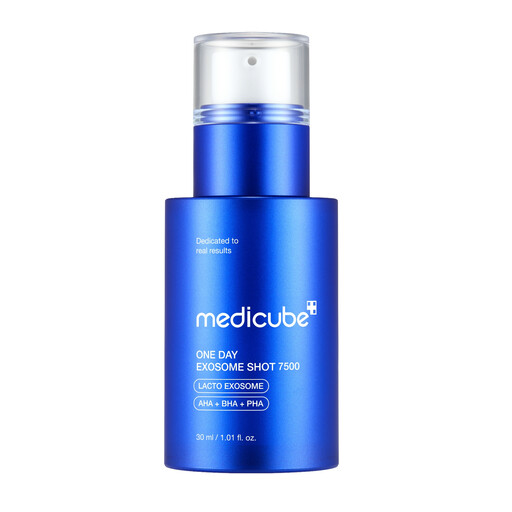
Why This Fits Their Persona: A targeted Korean face serum choice for shoppers whose main concern is visible pores and rough texture rather than general hydration alone.
The directions specify use every three days, helping prevent the common mistake of applying a concentrated pore-care ampoule too frequently.
Contains niacinamide, panthenol and betaine; lightweight texture; specifically positioned for pore and texture care.
We have compiled a complete, real-time list of products that fully satisfy these strict selection criteria and UK safety regulations.
Hydration can make skin feel smoother soon after application, but concerns such as fine lines, uneven texture and loss of firmness generally require consistent use. Follow the product’s directions for several weeks before judging it, and take account of other routine changes, seasonal dryness and daily sun exposure.
Sometimes, but introduce products carefully. Avoid layering multiple exfoliating acids, retinoid products or strong active formulas in the same routine unless the instructions confirm compatibility. Use one new product at a time, patch test where appropriate and apply SPF in the morning.
Cost should be compared with size, recommended frequency, ingredient suitability and how consistently you can use it. A premium serum may offer a particular texture or ingredient combination, while a lower-priced formula may cover your needs with fewer steps. The most suitable option is the one that fits your skin, routine and budget without causing irritation.