
24/7 全天候客户支持

免费退货

当日/次日达

品质保障

开启新人专享福利: 全场免邮 | 低至 2 折 | 免费试用 30 天 JoyPlus 会员
下载 Joybuy
Antibacterial cleaning wipes can make everyday messes easier to manage, particularly in busy UK households with children, pets or limited time for a full clean. However, not every pack is designed for the same job. A wipe intended for kitchen worktops may be unsuitable for unfinished wood, while a floor wipe may only fit one specific mop system.
The right choice depends on more than a “99.9% antibacterial wipes” claim. Before buying, check the surface compatibility, active ingredients, pack size and disposal instructions.
Multi-purpose cleaning wipes can lift grease, crumbs and everyday marks without necessarily being intended to disinfect. A product labelled as a disinfectant cleaning wipe should include directions for use, including how long the surface must remain visibly wet.
Some listed products state that the wipe must wet a surface for a specified period to support disinfecting claims. Wiping and immediately drying a surface may provide cleaning, but it may not follow the product’s disinfection instructions.
Antibacterial surface wipes are generally intended for hard, non-porous surfaces. That does not automatically include marble, untreated wood, painted finishes, upholstery, fabric, aluminium or delicate electronics.
Bathroom cleaning wipes may contain acids or other cleaning agents for soap scum and limescale. These can be unsuitable for porous stone or sensitive finishes. Always read the label and test an inconspicuous area where the manufacturer recommends it.
A large-looking pack may contain fewer or smaller sheets than expected. Compare the number of wipes, sheet size where stated and whether one wipe is sufficient for the intended task.
“Biodegradable cleaning wipes” also require careful interpretation. Some products are described as breaking down under specific industrial composting conditions, which is different from breaking down quickly in a household bin or natural environment. Used wipes should not be flushed down the toilet, and disinfectant wipes should be disposed of according to the packaging instructions.
Choose a product around the surfaces you clean most often:
The ingredients list helps you understand how the product is positioned. Common cleaning and disinfecting formulations may include benzalkonium chloride, lactic acid, ethanol, surfactants or preservatives.
A “99.9%” statement should be read alongside the pack directions and any qualifying wording. Effectiveness depends on factors such as the surface, amount of product used, coverage and contact time. Follow the label rather than assuming that a quick pass delivers the same result as a full disinfecting application.
A thicker, wetter wipe may be more practical for grease, spills or larger areas, while a compact pack may suit occasional touch-point cleaning. Resealable packaging is important because an imperfect seal allows the remaining wipes to dry out.
For environmentally conscious shoppers, look for clearly stated fibre information, such as bamboo, viscose or recycled materials. Sustainability descriptions should be checked against the disposal guidance and any conditions attached to biodegradability claims.
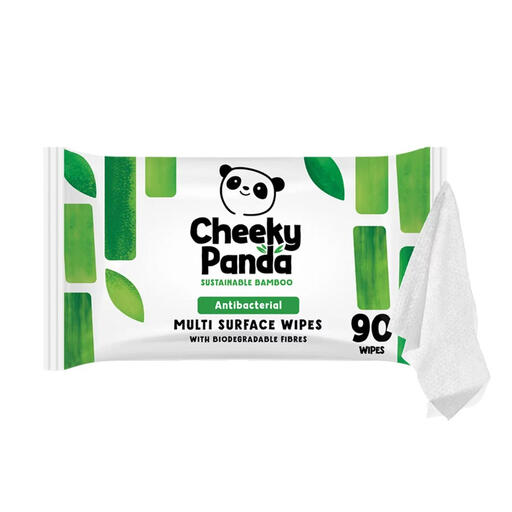
Why This Fits Their Persona: A practical option for shoppers wanting one pack for quick cleans around desks, kitchen counters and other hard household surfaces.
The product description specifies bamboo fibres, 99% purified water and plant-derived cleaning agents, while still advising users to avoid eyes and sore or broken skin.
90 wipes per pack; listed as 100% biodegradable, hypoallergenic and dermatologically tested.
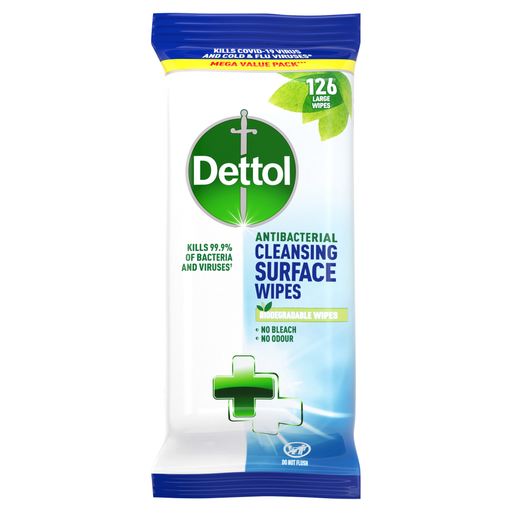
Why This Fits Their Persona: Suits families seeking a larger household supply for frequent cleaning of worktops, door handles, furniture, bins and other hard surfaces.
The listing identifies hard, non-porous surface use and warns against windows, mirrors, fabrics, painted and varnished surfaces.
126 large wipes; bleach-free formula listed as suitable for many kitchen and baby-equipment surfaces.
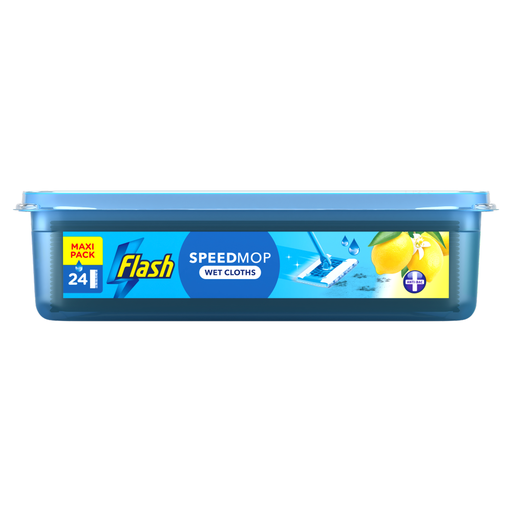
Why This Fits Their Persona: Designed for households dealing with regular floor spills, pet messes, food debris or high-traffic hard flooring.
It is identified as a dedicated Speedmop refill, helping avoid buying a wipe that cannot attach securely to the cleaning system.
24 pre-moistened floor wipes; listed for tile, laminate, vinyl and sealed hardwood floors.
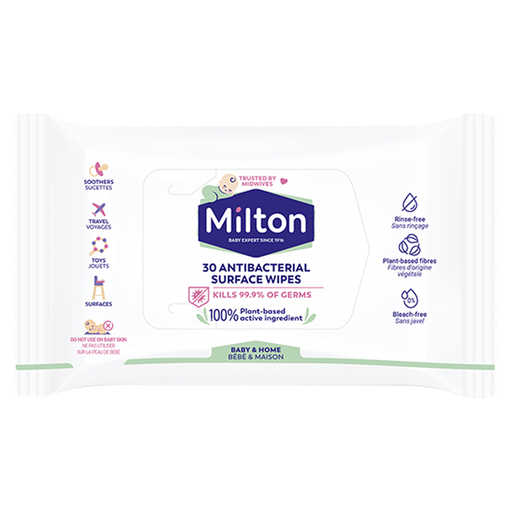
Why This Fits Their Persona: Suitable for parents who need a clearly directed wipe for highchairs, changing mats, potties, toys and other baby-related hard surfaces.
The product instructions specify a wet contact period and warn that it must not be used on baby skin or during a nappy change.
30 wipes; listed as fragrance-free, bleach-free and rinse-free for specified food-contact items.
We have compiled a complete, real-time list of products that fully satisfy these strict selection criteria and UK safety regulations.
Some are, but suitability varies. Check whether the label permits use on food-preparation surfaces and whether rinsing is required before preparing food. Do not assume that every kitchen cleaning wipe is rinse-free.
There is no universal lifespan after opening. Their practical usability depends on the packaging seal, storage conditions and the manufacturer’s shelf-life guidance. Reseal the pack immediately and replace wipes if they have dried out or changed in appearance.
Usually not without checking the exact product and local collection rules. Some biodegradable wipes are described as breaking down only under industrial composting conditions. Used household wipes should normally go in the general waste bin unless the packaging gives different disposal instructions.