
24/7 全天候客户支持

免费退货

当日/次日达

品质保障

开启新人专享福利: 全场免邮 | 低至 2 折 | 免费试用 30 天 JoyPlus 会员
下载 Joybuy
Antibacterial cleaning wipes can make quick household cleaning easier, but the wrong pack may create more problems than it solves. A wipe can dry out before the pack is finished, damage an unsuitable surface or provide less coverage than its large-looking packaging suggests.
For UK households, the main choice is not simply between scented and unscented wipes. You need to match the formula, material, pack size and intended surface to the job. The following guide explains the common buying traps and highlights practical options for kitchens, bathrooms, sealed floors and everyday touchpoints.
“Multi-surface” does not mean universal. Many antibacterial surface wipes are intended only for hard, non-porous surfaces. Marble, unfinished wood, porous stone, unsealed flooring, fabrics and painted surfaces may require a different cleaning method.
Bathroom cleaning wipes can contain ingredients designed to tackle soap scum or limescale, while kitchen cleaning wipes may be formulated for grease and food-preparation areas. Always read the label and check whether rinsing is required before food contact.
Some products display a 99.9% antibacterial or virus-related claim. This wording refers to the conditions and organisms stated on the product label, not every germ in every household situation. Contact time, surface coverage and correct use all matter.
For example, the listed directions for some disinfectant wipes require the surface to remain wet for a specified period. Wiping and immediately drying the area may not meet the stated disinfection instructions.
These terms describe different features:
Surface wipes should never be flushed down the toilet. Keep packs sealed and dispose of used wipes according to the label and local waste guidance.
Look for clear instructions covering the surface you intend to clean. A kitchen pack may list sinks, glazed tiles, glass, taps, vinyl or sealed laminate floors. A bathroom formula may be suitable for toilet seats, baths, shower screens and tiles but unsuitable for marble, brass, copper or unfinished wood.
For sealed floors, check whether the wipes are suitable for tile, laminate, vinyl and sealed hardwood. Avoid using floor wipes on unsealed, waxed or oil-treated wood, carpets or other surfaces excluded by the manufacturer.
A thin wipe may be adequate for a desk or door handle but less practical for grease, pet mess or a full bathroom clean. Larger, textured or reinforced wipes can provide more usable coverage for demanding tasks.
A resealable lid is important because exposure to air causes drying. Store the pack closed, preferably with the opening facing down where instructed. Compare the number of sheets with the cleaning area you normally cover: a large pack cleaning wipes format may be more convenient for a busy family, office or pet-owning household.
Lemon-scented wipes can leave a fresh fragrance after floor cleaning, while lime and mint or citrus options may suit kitchens and general touchpoints. Fragrance can be a drawback for shoppers sensitive to strong scents, so check the ingredients list where this matters.
If you are allergy-conscious, do not rely solely on phrases such as “gentle” or “hypoallergenic”. Check the label for fragrance, preservatives and usage warnings. Cleaning wipes intended for surfaces should not be used on skin unless the packaging specifically says they are suitable for skin.
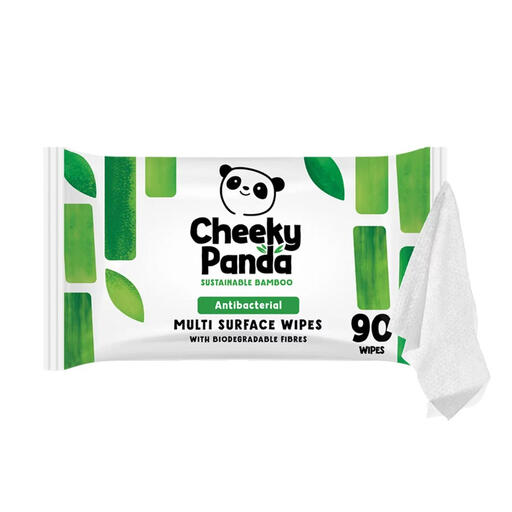
Why This Fits Their Persona: A 90-wipe pack supports regular quick cleans across desks, counters and other suitable surfaces without choosing separate packs for every room.
Its bamboo substrate and stated 100% biodegradable specification are clearly identified, helping shoppers distinguish material claims from flushability.
Natural bamboo material; formula listed with 99% purified water and plant-derived cleaning agents.
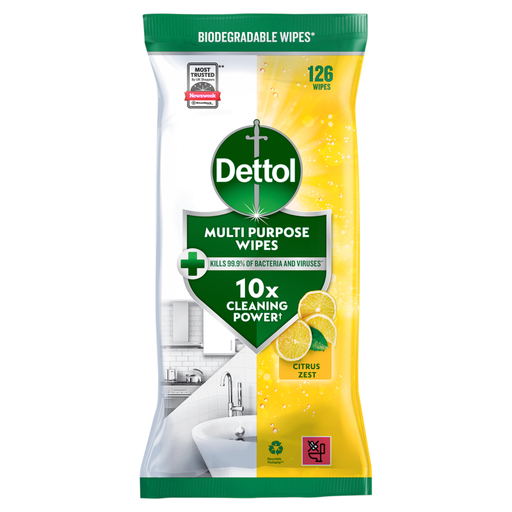
Why This Fits Their Persona: Suitable for shoppers wanting one clearly labelled pack for frequent cleaning in kitchens, bathrooms and other hard-surface areas.
The listed directions specify wet coverage and a five-minute contact period for disinfection, rather than implying that a quick wipe always has the same result.
126 wipes; citrus fragrance and a resealable pack; listed for multiple hard, non-porous surfaces.
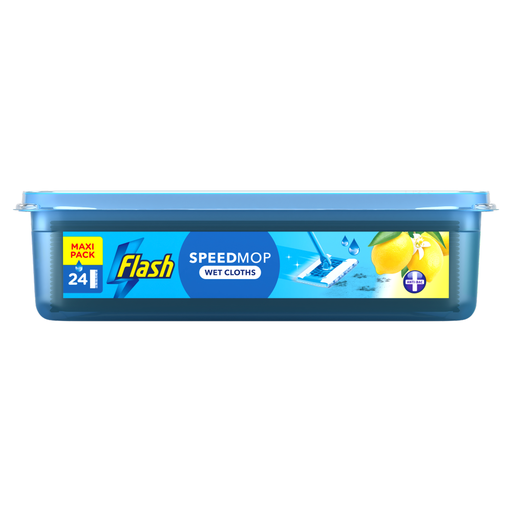
Why This Fits Their Persona: Designed for households managing daily spills, muddy footprints or pet mess on sealed hard floors using a compatible mop system.
It is a dedicated refill, so compatibility is clear. The instructions also exclude unsealed, waxed or oil-treated wood and carpet.
24 pre-moistened wipes; textured fibres intended to hold dirt; no bucket, detergent mixing or wringing required.
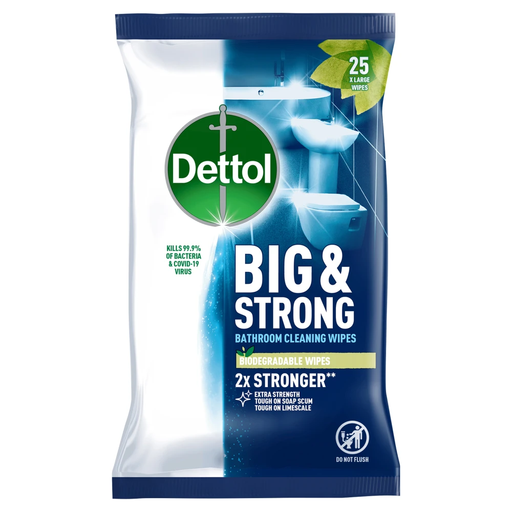
Why This Fits Their Persona: A focused option for dealing with bathroom dirt, soap scum and limescale on listed non-porous surfaces.
The pack specifies exclusions such as marble, brass, copper, porous surfaces and food-contact surfaces, reducing guesswork about where to use it.
25 large-format wipes; designed for tougher bathroom cleaning tasks; resealable cover helps retain moisture.
We have compiled a complete, real-time list of products that fully satisfy these strict selection criteria and UK safety regulations.
Use one wipe for a defined area rather than stretching a drying sheet across several rooms. For visible dirt, remove the soil first if the label requires it; disinfectant action is not a substitute for cleaning heavy grease or debris.
Do not mix wipes with other detergents or disinfectants unless the instructions specifically allow it. Keep packs away from children, avoid eye contact and wash hands after handling where directed. For food-preparation surfaces, follow the label’s rinsing instructions.
If you need hand hygiene, choose a product specifically labelled for skin. Surface antibacterial wipes are not automatically suitable for hands, faces or children.
Some are listed for food-preparation areas, while others are not. Check the pack carefully and rinse the surface with clean water if instructed before preparing food. Never assume that a bathroom or floor wipe is suitable for a kitchen worktop.
There is no universal lifespan after opening. Their practical life depends on how well the lid is resealed, storage temperature and how frequently the pack is opened. Close the cover immediately after removing a wipe and check that the sheets remain evenly moist before use.
No. Flushable hygiene wipes are intended for personal toilet use and must follow the stated flushing limit. They do not replace bathroom cleaning wipes for sinks, toilets, tiles or floors. Used antibacterial surface wipes belong in a household waste bin, not the toilet.