
24/7 Customer Support

Free returns

Same-day & Next-day Delivery

Quality Guaranteed

Unlock Your Welcome Offers: FREE Delivery | Up to 80% OFF | Free 30-day JoyPlus trial
Download the APP
As a Joybuy Product Recommendation Officer, my role is to help you navigate the crowded marketplace. The term "antibacterial clothing" is appearing more frequently, promising enhanced hygiene and freshness. While the benefits are appealing, it's easy to invest in garments that either fail to deliver or sacrifice comfort for a feature that doesn't last. Before you buy, let's look at the common pitfalls and what truly matters.
Many shoppers find themselves disappointed for a few key reasons:
To make a worthwhile purchase, you need to look past the headline claims and focus on a few core parameters.
When assessing antibacterial clothing, focusing on tangible specifications rather than marketing buzzwords will lead you to a better product. Here are the three areas to scrutinise.
The fabric is the most critical element. While many materials can be treated, their inherent properties determine comfort and breathability.
A generic "antibacterial" label is not enough. Look for a verifiable standard that indicates the quality and longevity of the treatment. Some manufacturers use a grading system, such as 7A or 10A, which often corresponds to the technology's ability to remain effective after a specific number of washes. A higher grade typically suggests better durability, ensuring your odour-resistant t-shirts and hygienic clothing maintain their properties for longer. This is the difference between a feature that lasts and one that washes away.
Thoughtful design is what makes a garment truly comfortable for all-day wear.
Based on these practical criteria, here are a few selections matched to different needs and lifestyles.
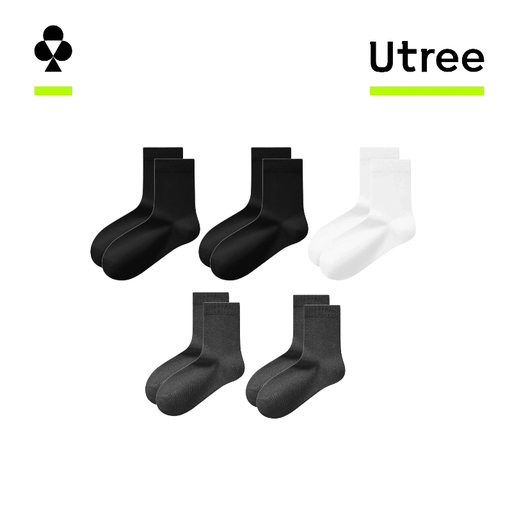
Why This Fits Their Persona: Ideal for professionals wearing formal shoes for long hours. The design focuses on maintaining freshness and comfort throughout a busy workday, from the morning commute to after-work engagements.
It specifies a 10A antibacterial standard for the entire sock, avoiding vague claims. The 100% Xinjiang cotton material ensures breathability, countering the uncomfortable synthetic trap.
Features a seamless toe and 3D heel cup for a non-slip, irritation-free fit. The fabric is rated for Grade 3-4 anti-pilling, addressing durability concerns.
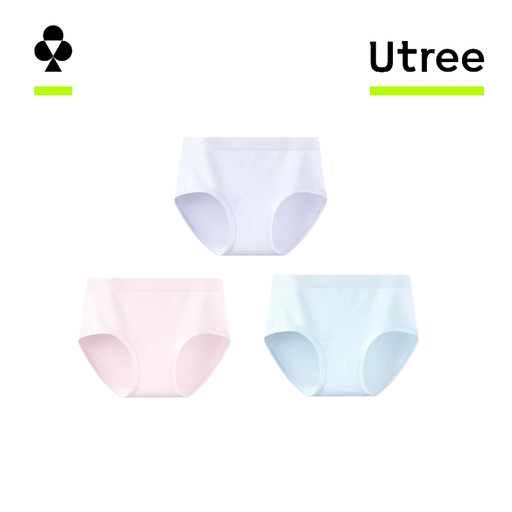
Why This Fits Their Persona: For women who prioritise hygiene and safety in their daily essentials, especially those with sensitive skin or for use during their period. The focus is on material purity and functional design.
This product uses Class A certified Xinjiang long-staple cotton, a verifiable safety standard. The gusset has a 10A antibacterial rating, providing a specific performance metric.
The extended 16cm gusset offers greater coverage and is designed for easy cleaning. The 3D cut prevents wedgies and ensures a comfortable fit that moves with the body.
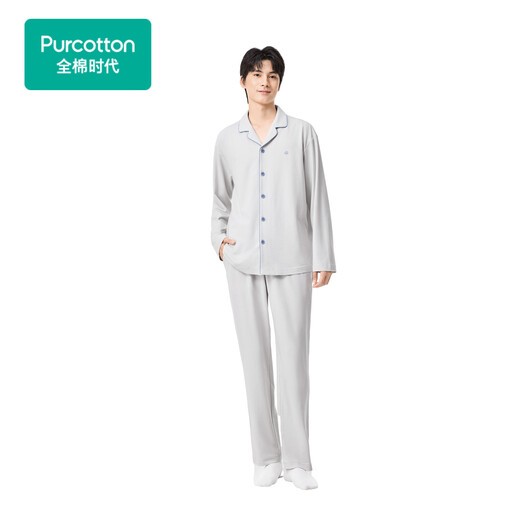
Why This Fits Their Persona: Designed for ultimate relaxation at home. This set is for those who value softness, unrestricted movement and the peace of mind that comes with hygienic, skin-friendly fabrics for sleep and leisure.
It avoids the comfort trade-off by using a 95% combed cotton and 5% spandex blend for softness and stretch. The 7A antibacterial protection is specified to remain effective after 150 washes, addressing the durability pitfall.
This set is also rated for anti-mite properties, making it a great choice for humid seasons or sensitive individuals. The four-way stretch fabric offers superior comfort and shape retention.
We have compiled a complete, real-time list of products that fully satisfy these strict selection criteria and UK safety regulations.
This varies significantly. To avoid disappointment, look for products that specify durability, such as being effective after a certain number of washes (e.g., 50, 100 or 150). Garments with higher-grade standards (like 7A or 10A) are generally developed to offer longer-lasting performance.
Yes, provided you choose the right material. The most important factor for sensitive skin is the base fabric. Opt for garments made from high-quality, natural fibres like pure cotton or Modal. Look for certifications like Class A (often used for infant products) or descriptions like "0 fluorescent agents" to ensure the material is as gentle as possible.
To preserve both the fabric and its properties, follow the care label instructions. Generally, it is advisable to use a gentle machine wash cycle with cold water (around 30°C). Avoid using bleach and fabric softeners, as harsh chemicals can degrade the fabric and the antibacterial finish. Hanging to dry is often preferable to tumble drying on high heat.