
24/7 Customer Support

Free returns

Same-day & Next-day Delivery

Quality Guaranteed

Unlock Your Welcome Offers: FREE Delivery | Up to 80% OFF | Free 30-day JoyPlus trial
Download the APP
Keeping floors clean can feel like a never-ending task, especially in a busy household. Between muddy footprints, food spills and the general dust of daily life, maintaining a hygienic surface is a constant challenge. For those of us short on time, the idea of filling a bucket and wringing out a mop isn't always practical.
This is where the convenience of antibacterial floor wipes comes in. They offer a quick and effective way to not only clean visible dirt but also to disinfect your hard floors, giving you peace of mind. As the Joybuy Product Recommendation Officer, my role is to help you find practical solutions that fit your life. This guide cuts through the clutter, focusing on what you need to know to choose the right product for your home.
With so many options available, selecting the right floor wipes can be confusing. Here are a few key points to consider before making a purchase.
Not all floor wipes are created equal and using the wrong type can potentially damage your flooring. Before you buy, always check the packaging to ensure the wipes are suitable for your specific floor type. Most products are designed as hard floor cleaner wipes and are safe for sealed surfaces like vinyl, linoleum, glazed tiles and sealed laminate. However, you should exercise caution with wood. Avoid using standard wipes on unfinished, oiled or waxed wooden boards, as the moisture and cleaning agents can cause damage. If you have wooden floors, look specifically for products marked as safe for sealed wood.
The term "antibacterial" signifies that the product contains an active ingredient designed to kill bacteria. Common disinfectants found in these wipes include Didecyldimethylammonium Chloride or Benzalkonium Chloride. For a wipe to be effective as a disinfectant, the surface typically needs to remain wet for a specified contact time, usually around five minutes. This allows the solution to work properly. If your primary goal is hygiene, look for disinfectant floor wipes and be sure to follow the usage instructions on the label. Many formulas are also bleach-free, which is a good feature to look for if you have pets or young children.
The physical properties of the wipe matter. Thicker, wetter wipes tend to be more durable, cover more area and are less likely to dry out mid-clean. Some wipes are sold as standalone packs, while others, like Flash speedmop refills, are designed to fit a specific mopping system. These systems can offer better ergonomics and leverage, making the cleaning process even faster and more comfortable.
Here are a few noteworthy options that cater to different cleaning needs and preferences.

Why It Stands Out These wipes are part of the Flash Speedmop system, offering an integrated approach to floor cleaning. According to the brand, they are designed to be twice as thick and wet as their standard floor wipes, which helps them trap and lock away dirt effectively. A standout feature is the green scrubby strip on the mop head, designed to tackle stubborn, dried-on messes without extra effort.
Pros
Who is it for? These are ideal for individuals who already own or are considering the Flash Speedmop system. They are particularly well-suited for kitchens and high-traffic areas where grease and stubborn stains are common.

Why It Stands Out Dettol is a well-known name in household hygiene and these floor wipes reflect that focus. The product information states they kill 99.9% of bacteria and viruses*, including the Covid-19 virus**. They also claim to remove 90% of allergens like pollen and dust mites. The formula is bleach-free, making it a popular choice for households with children or pets. The XL size means each wipe covers a larger surface area.
*For a list of bacteria and viruses, please refer to the product packaging. **Covid-19 Virus claim is based on brand-provided data for SARS-CoV-2.
Pros
Who is it for? Households where hygiene and allergen removal are top priorities. The large, versatile wipes are great for families, pet owners or anyone wanting a reliable Dettol floor wipe for general cleaning.
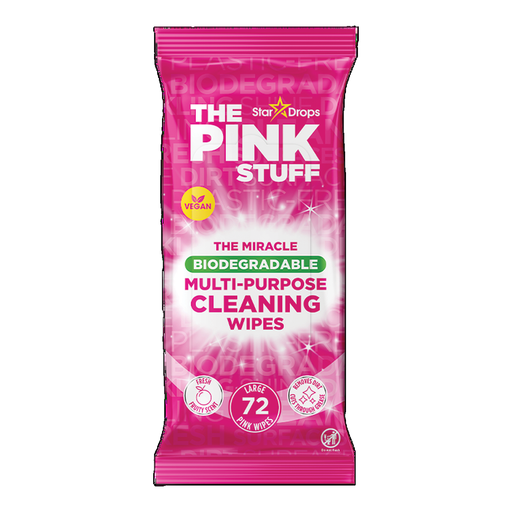
Why It Stands Out While not exclusively for floors, The Pink Stuff's multi-purpose cleaning wipes offer incredible versatility and an environmental consideration with their biodegradable material. They are infused with the same formula known for cutting through grease and grime, making them useful for spills and spots on floors as well as countertops, sinks and other surfaces.
Pros
Who is it for? The eco-conscious consumer who values multi-functionality. If you're looking for a single wipe to handle quick clean-ups all around the house, from the kitchen counter to a spot on the tile floor, this is an excellent choice.
If you have a particular preference for scent or are simply curious about other types of cleaning wipes, there is a wide world of options to discover. For those who enjoy a classic, zesty fragrance, you can find a great selection of lemon wipes and other cleaning solutions.
To see more, explore our full range of cleaning wipes.
1. Can you use antibacterial floor wipes on laminate floors? Yes, in most cases. Many products are specifically formulated as laminate floor wipes and are safe for sealed laminate. However, it is crucial to always check the manufacturer's instructions on the packaging first. Avoid oversaturating the floor and never use these wipes on unsealed, oiled or waxed flooring.
2. Are floor wipes as effective as traditional mopping?Wet floor wipes are exceptionally effective for daily cleaning, tackling spills and maintaining a hygienic home between deeper cleans. Their main advantages are speed and convenience. For heavily soiled floors or a periodic deep clean, a traditional mop and bucket may still be necessary to lift ingrained dirt. Many people find a combination of both methods works best.
3. How do disinfectant floor wipes work? These wipes are saturated with a cleaning solution that contains a disinfecting agent. To ensure the product works as intended, you must allow for the proper "contact time." This means the surface needs to stay visibly wet with the solution for the duration specified on the label (often 5-10 minutes). This contact time is what allows the active ingredients to kill bacteria and other germs effectively.