
24/7 Customer Support

Free returns

Same-day & Next-day Delivery

Quality Guaranteed

Unlock Your Welcome Offers: FREE Delivery | Up to 80% OFF | Free 30-day JoyPlus trial
Download the APP
Navigating the oral care aisle can feel overwhelming. With so many options promising fresh breath and a healthier smile, how do you choose the right one? Whether you're looking for a daily rinse to keep your mouth feeling clean, a solution for sensitive gums or relief from dryness, understanding the different types of antibacterial mouthwash is the first step.
As a Joybuy Product Recommendation Officer, my role is to help you find products that suit your needs. This guide cuts through the clutter to offer clear, practical advice on selecting an antibacterial mouthwash, highlighting a few options for different oral health goals.
Finding the right mouthwash depends entirely on your personal oral health needs. Here are a few key points to consider before making a choice.
First, determine your primary goal. Are you looking for a daily mouthwash for bad breath and general hygiene, or do you need a more targeted solution? Daily rinses are formulated to complement brushing and flossing by reducing bacteria throughout the mouth. In contrast, a medicated mouthwash often contains specific active ingredients designed as a short-term gingivitis treatment or to manage other oral conditions.
The ingredients list tells you a lot about a mouthwash's purpose. For instance, products containing Chlorhexidine Digluconate are often recommended for managing the early signs of mouthwash for gum disease. Other formulas use essential oils to combat germs that cause plaque and bad breath. It's also worth considering an alcohol free mouthwash. These are generally gentler on the mouth, making them a suitable choice for individuals with sensitivity or those who find alcohol-based rinses too harsh.
If you experience persistent oral dryness, also known as xerostomia, it's important to choose a product that won't make the problem worse. A dedicated mouthwash for dry mouth is formulated to be hydrating and soothing. These rinses typically avoid alcohol and other ingredients that can have a drying effect, instead using moisturising agents to provide comfort and relief.
Here are our recommendations, selected to address some of the most common oral care needs.
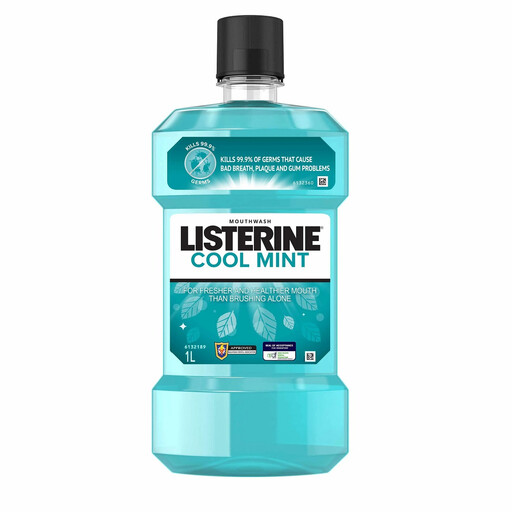
Why It Stands Out: This mouthwash is a widely recognised option for daily oral hygiene. Its formula is powered by a blend of four essential oils that penetrate plaque biofilm to target germs. It's designed to be a powerful addition to your everyday brushing and flossing routine.
Pros:
Who is it for: This is a suitable choice for individuals seeking a strong, effective daily mouthwash to maintain general oral health, reduce plaque and ensure lasting fresh breath.
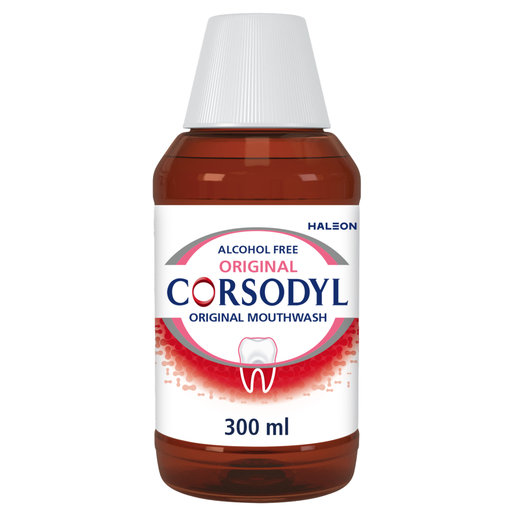
Why It Stands Out: This is a medicated mouthwash specifically formulated for the short-term treatment of gum problems. Its active ingredient is Chlorhexidine Digluconate 0.2% w/v, which is intended to manage the early signs of gum disease (gingivitis), such as bleeding, red or swollen gums.
Pros:
Who is it for: This product is intended for adults who are experiencing symptoms of gum disease and require an intensive, short-term treatment. It is not designed for long-term daily use unless recommended by a dental professional.
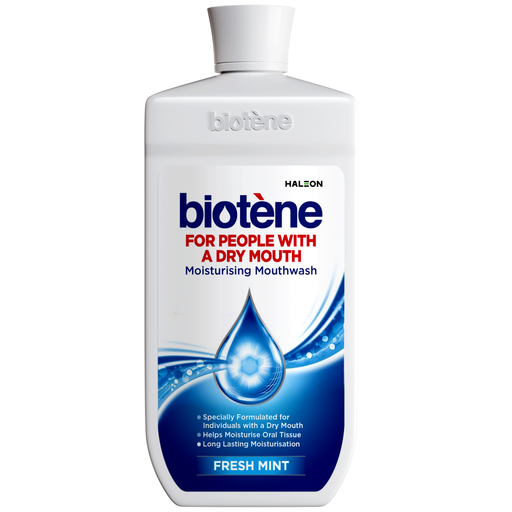
Why It Stands Out: Unlike rinses focused solely on killing bacteria, this mouthwash is specifically designed to provide relief from the symptoms of a dry mouth. Its gentle, moisturising formula helps to soothe and hydrate oral tissues without causing irritation.
Pros:
Who is it for: This is an ideal mouthwash for dry mouth sufferers (xerostomia) who need a gentle, hydrating rinse to maintain oral comfort and freshen breath throughout the day.
Our recommendations cover some of the most common needs, but the world of oral care is vast. If you haven't found the perfect match here, or if you're simply curious about other formulations and flavours, we invite you to browse our complete collection.
Explore Our Full Range of Oral Care Mouthwash
1. Can I use antibacterial mouthwash every day? It depends on the product's formulation. General-purpose mouthwashes, like Listerine Cool Mint, are designed for daily use to complement your brushing and flossing routine. However, a medicated mouthwash containing ingredients like Chlorhexidine Digluconate is typically intended for short-term use to address specific issues like gingivitis. Always read and follow the directions on the label.
2. What is the main difference between an alcohol and alcohol-free mouthwash? The primary difference is comfort. Mouthwashes containing alcohol can cause a burning sensation and may contribute to oral dryness for some people. An alcohol free mouthwash provides a gentler alternative, making it a preferred choice for those with sensitive mouths, a tendency for dryness or who simply dislike the intense feeling of alcohol-based rinses.
3. Does mouthwash replace brushing and flossing? No, it does not. Mouthwash should be seen as a final step in a comprehensive oral hygiene routine. Brushing physically removes plaque from tooth surfaces, and flossing cleans the tight spaces between teeth and under the gumline. Mouthwash then helps to rinse away debris and reduce bacteria in the entire mouth, including on the tongue and cheeks, while also freshening your breath.