
24/7 Customer Support

Free returns

Same-day & Next-day Delivery

Quality Guaranteed

Unlock Your Welcome Offers: FREE Delivery | Up to 80% OFF | Free 30-day JoyPlus trial
Download the APP
As a Joybuy Product Recommendation Officer, my role is to help you navigate the crowded shelves and find products that genuinely meet your needs. When it comes to something as seemingly simple as antibacterial wipes, it's surprisingly easy to make the wrong choice. Many of us grab a pack for quick clean-ups, assuming they all do the same job. However, a few common pitfalls can lead to wasted money, ineffective cleaning or even household problems like blocked pipes.
Before you add a pack of wet wipes for cleaning to your basket, let's look at the most common traps UK shoppers fall into:
To ensure you get the right wipe for the job, focus on these three core parameters. They will help you see past the marketing and choose a product that performs as you expect.
The effectiveness of a wipe comes down to its formula. For true disinfecting power against a broad range of germs, look for specific information on the packaging.
Not all wipes are created equal. Using the wrong type can be ineffective or even damage surfaces.
If sustainability is a priority, look beyond simple green-sounding words.
Based on these practical criteria, here are a few options from our catalogue matched to different household needs.
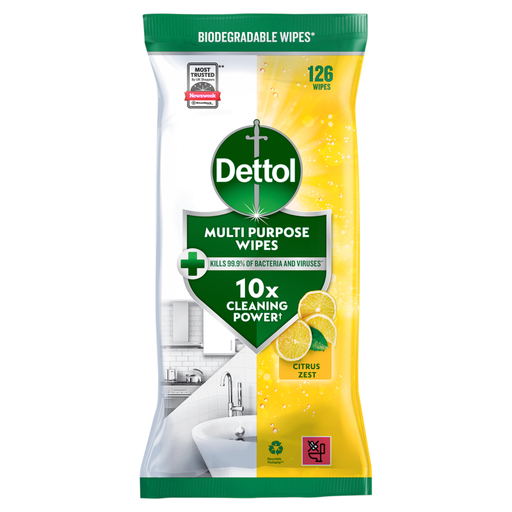
Why This Fits Their Persona: For a busy home with children or pets, a large-pack, reliable disinfectant wipe is essential. This pack offers value and convenience for daily clean-ups of high-traffic surfaces like kitchen counters, high chairs and doorknobs.
It clearly states it kills 99.9% of bacteria and enveloped viruses, addressing the antibacterial vs. disinfectant confusion. The packaging also provides clear disposal instructions (do not flush).
Large 126-wipe pack is economical for frequent use. The wipes are also biodegradable under industrial compost conditions (per EN 13432), offering a more responsible choice.
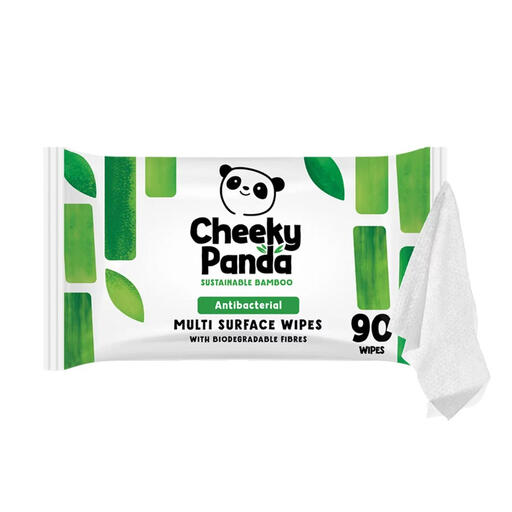
Why This Fits Their Persona: This user prioritises sustainability without compromising on cleaning power. These wipes are made from fast-growing bamboo, a more sustainable alternative to tree-based products, and are fully biodegradable.
It avoids vague eco-claims by being specific: the wipes are made from 100% bamboo and are 100% biodegradable. The brand is also certified Carbon Balanced and Cruelty-Free.
Made with 99% purified water and plant-derived cleaning agents. Hypoallergenic and dermatologically tested, making them a good choice for those with sensitive skin.
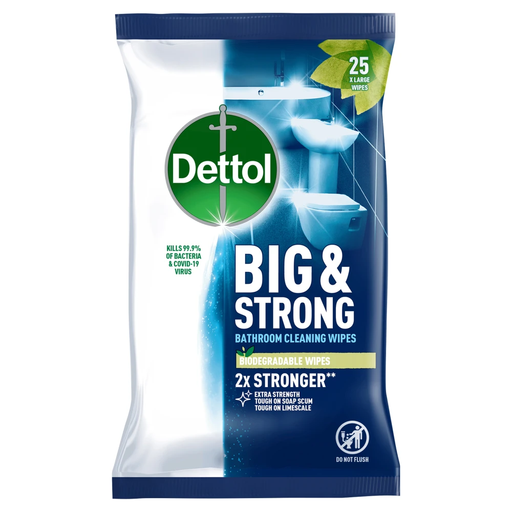
Why This Fits Their Persona: This user needs a powerful solution for a tough job, like cleaning the bathroom. These wipes are specifically designed to cut through soap scum and limescale, saving time and effort compared to a general-purpose wipe.
It avoids the "one-size-fits-all" trap by being a specialist product. Its description clearly states it is for bathroom surfaces and is formulated to tackle specific bathroom grime like limescale.
The wipes are described as being twice as strong as regular Dettol wipes, providing extra durability for scrubbing. They also kill 99.9% of bacteria and viruses for a hygienic clean.
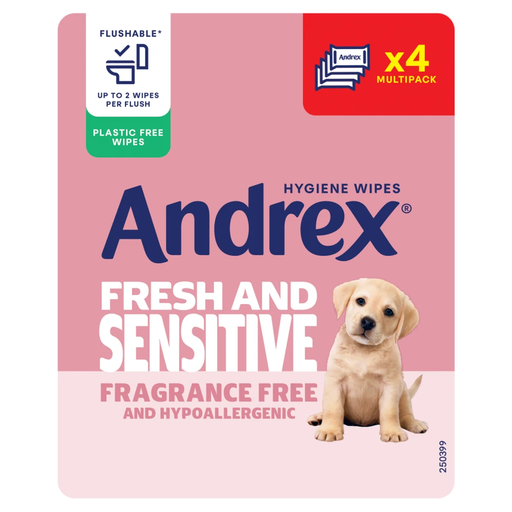
Why This Fits Their Persona: For personal use, gentleness and safe disposal are paramount. This user needs a product designed for sensitive skin that can be flushed without worry. These wipes are fragrance-free and hypoallergenic.
It directly counters the "flushable fallacy" by stating that the wipes pass industry flushability standards, with a clear guideline to flush a maximum of two wipes at a time to prevent plumbing issues.
The formula is 99% water-based and fragrance-free, making it suitable for the most delicate skin. The wipes are also plastic-free, adding a layer of environmental consideration.
We have compiled a complete, real-time list of products that fully satisfy these strict selection criteria and UK safety regulations.
This is a critical step that is often missed. To ensure effective disinfection, the surface must remain visibly wet for a specific amount of time, known as the "contact time." This can range from one to ten minutes depending on the product and the germs it targets. Always check the instructions on the packaging for the correct contact time to ensure you are getting the full antibacterial or antiviral benefit.
It is generally not recommended. Surface cleaning wipes are formulated with chemicals designed for hard, non-porous surfaces and can be harsh on the skin, potentially causing irritation or dryness. For personal hygiene, always use wipes specifically designed and dermatologically tested for skin, such as hand hygiene wipes or personal care wipes.
They can be, but it's important to understand the details. A "biodegradable" wipe will break down over time, but the conditions and timescale matter. Wipes made from plant-based materials like bamboo or wood pulp are a good start. For the lowest impact, look for wipes that are also "plastic-free" and dispose of them as instructed on the pack—which almost always means putting them in the bin, not the compost or the toilet.