
24/7 Customer Support

Free returns

Same-day & Next-day Delivery

Quality Guaranteed

Unlock Your Welcome Offers: FREE Delivery | Up to 80% OFF | Free 30-day JoyPlus trial
Download the APP
Choosing antioxidant supplements can be confusing. Shelves and online listings are filled with vitamin C and zinc tablets, botanical extracts, super greens powder and high-dose single nutrients, often presented as a quick solution for energy, immunity, digestion or skin health.
The right choice depends less on impressive wording and more on the label, serving size, dietary suitability and how easily the product fits your routine.
A large number on the front of a pack may look attractive, but it does not necessarily make a supplement more suitable for daily use. High-dose vitamin E, selenium or vitamin C can be inappropriate for some people, particularly when combined with other daily wellness supplements.
Check the amount per serving, the suggested daily intake and whether the formula duplicates nutrients already found in your multivitamin or fortified foods.
Super greens powders may include grasses, algae, berries, fibre and plant extracts. This can be useful for shoppers who struggle to eat a varied diet, but a long list does not guarantee meaningful amounts of every ingredient.
Look for clear ingredient quantities, rather than only a proprietary blend. Also check whether the product is intended to complement food instead of replacing fruit, vegetables or balanced meals.
A product described as “natural” may still contain gelatine, fish, soya, celery, sulphites or other ingredients relevant to UK shoppers with allergies or specific diets. Capsule shells also matter: gelatine is not suitable for vegans, while HPMC or hypromellose capsules are plant-based alternatives.
Always compare the current label with your requirements, especially if you are pregnant, breastfeeding, taking prescribed medication or managing a medical condition.
Select the ingredient that matches your practical goal:
Compare the number of servings rather than the capsule or tablet count alone. A 120-tablet pack may provide 120 days at one tablet daily, but only 60 days if the directions require two tablets. Powders also vary: one serving may be 5g or 8.5g.
For example, Applied Nutrition Critical Greens provides a 5g serving, while EHPlabs OxyGreens specifies one 8.5g scoop per day. This difference affects how long each container lasts and how much liquid you need for mixing.
Look for clearly stated information about:
These details are more useful than vague references to “detox”, “cellular transformation” or guaranteed results. Food supplements are not substitutes for a varied diet and healthy lifestyle, and product labels can change, so check the packaging supplied before use.
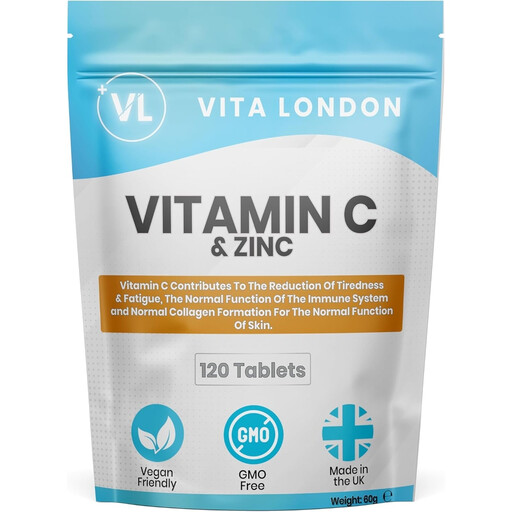
Why This Fits Their Persona: A straightforward tablet format for adults wanting one daily product rather than several separate nutrients.
The label states the quantities per tablet: 100mg vitamin C and 20mg zinc, avoiding an unclear blend.
Vegan tablets, 120 per pack and free from gluten, wheat, dairy and soya according to the supplied product information.
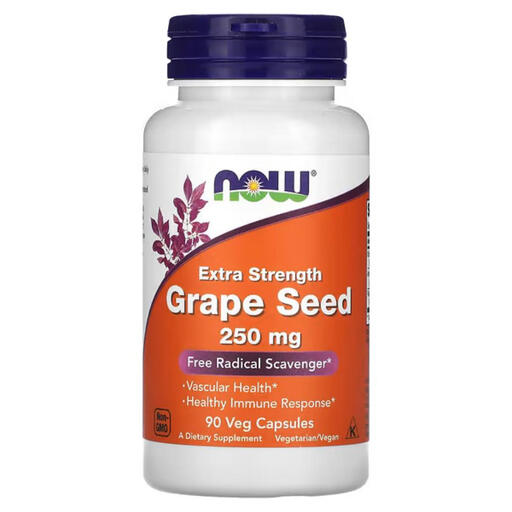
Why This Fits Their Persona: Suitable for adults who prefer a defined botanical extract and want standardisation information on the label.
It specifies 250mg grape seed extract with a minimum of 90% total polyphenols, rather than only using general antioxidant wording.
One softgel serving also includes amla extract and rutin; the product is labelled suitable for vegetarian and vegan diets.
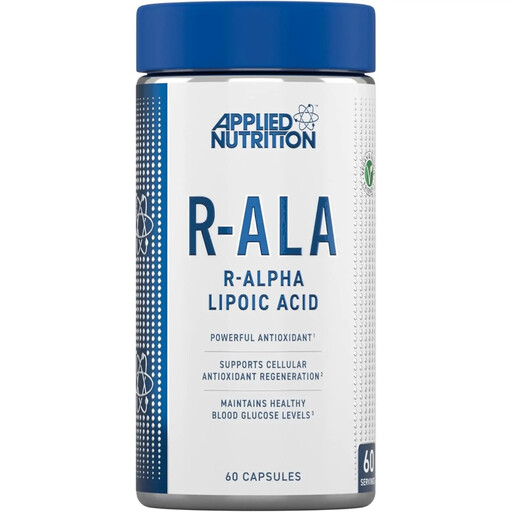
Why This Fits Their Persona: A targeted option for active adults comparing a stated R-ALA dose with a vegan capsule format.
The product states 200mg R-alpha lipoic acid per capsule and a maximum of one capsule per 24 hours.
Vegan and Halal-certified according to the supplied details, with an HPMC capsule shell and UK production information.
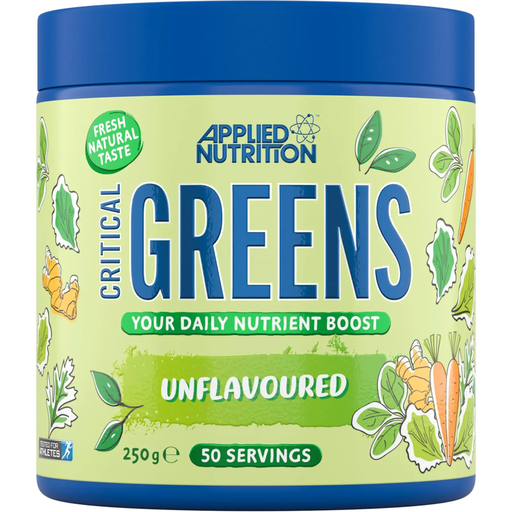
Why This Fits Their Persona: A flexible choice for busy UK adults who want to mix greens with water, juice or a smoothie.
Its nutrition panel lists the 5g serving and individual amounts for spirulina, grasses, vegetables, beetroot and green tea extract.
Unflavoured, 250g format with no artificial flavours; the label identifies celery and other plant ingredients for easier checking.
We have compiled a complete, real-time list of products that fully satisfy these strict selection criteria and UK safety regulations.
Follow the serving instructions on the product label. Some capsules are taken with food, while powders should be mixed with a stated volume of water or another drink. Fat-soluble nutrients such as vitamin E are commonly directed alongside a meal. Do not combine several products containing the same high-dose nutrient without checking the totals.
Shelf life varies by product and storage conditions. Keep tablets and capsules cool, dry and away from direct sunlight. Reseal powders promptly and use the printed best-before information. If the seal is broken, the texture, smell or colour changes unexpectedly, check with the retailer or manufacturer before use.
Vegan status only describes the ingredients and capsule shell; it does not mean a product is suitable for every person. Check the full allergen statement, dose and warnings. People who are pregnant, breastfeeding, taking medication or managing a health condition should seek advice from a qualified healthcare professional before starting a supplement.