
24/7 全天候客户支持

免费退货

当日/次日达

品质保障

开启新人专享福利: 全场免邮 | 低至 2 折 | 免费试用 30 天 JoyPlus 会员
下载 Joybuy
Shopping for antioxidant supplements in the UK can quickly become confusing. One product may focus on vitamin C, another on grape seed extract, selenium or alpha lipoic acid, while a men’s multivitamin combines several nutrients in one tablet. The right choice depends less on impressive wording and more on ingredients, dosage, dietary suitability and how well the product fits your routine.
A formula containing 30 nutrients may be useful if you want broad nutritional coverage, but it may not provide a substantial amount of every specialist ingredient. Conversely, a single-ingredient product may be more appropriate when you are specifically comparing vitamin E supplements, zinc supplements or selenium supplements.
Check the amount per serving, not only the number of ingredients. Look for clear quantities in milligrams (mg) or micrograms (µg), the recommended daily intake and the number of servings in the pack.
“Plant-based” wording does not always apply to the whole product. A capsule may contain gelatine, fish oil or soya even when the active ingredient is plant-derived. For example, some vitamin E softgels use bovine gelatine, while omega-3 supplements for men generally contain fish ingredients.
Always review the full ingredient and allergen statement. Vegans and vegetarians should look for vegan capsule shells and confirm that no fish, gelatine, dairy or other unsuitable ingredients are included.
Taking a multivitamin alongside separate vitamin C capsules, zinc and selenium supplements can increase total intake unnecessarily. This is particularly important with fat-soluble antioxidant vitamins such as vitamin E and vitamin A, and with trace minerals.
Food supplements should complement a varied diet rather than replace it. If you take prescription medicines, have a medical condition, are pregnant or breastfeeding, ask a healthcare professional before adding a supplement.
For botanical formulas, check whether the extract has a stated concentration. NOW Foods Grape Seed Extract, for example, lists 250 mg grape seed extract with a minimum of 90% polyphenols per softgel. This is more informative than simply seeing “grape seed” on the front of a label.
For nutrient products, compare the elemental amount. Zinc products may contain 20 mg, 30 mg or 50 mg of elemental zinc, while selenium products may provide 200 µg per capsule. A higher number is not automatically more suitable for daily use.
Capsules and tablets are convenient for consistent daily antioxidant support, while greens superfood powder may suit people who prefer mixing supplements into water. Check whether the product requires one serving daily or multiple capsules, and whether it should be taken with food.
Fat-soluble nutrients, including vitamin E, are commonly directed to be taken with a meal. Products containing fish oil may also be easier to incorporate alongside a main meal.
A 60-capsule pack may offer 30 servings if the instructions specify two capsules daily. A 90-capsule bottle may last 90 days if one capsule is recommended each day. Calculate the cost per serving, rather than comparing shelf prices alone.
Also check storage instructions, expiry information and whether the seller provides current labelling. Product formulations and packaging can change, so the label supplied with your order should always take priority.
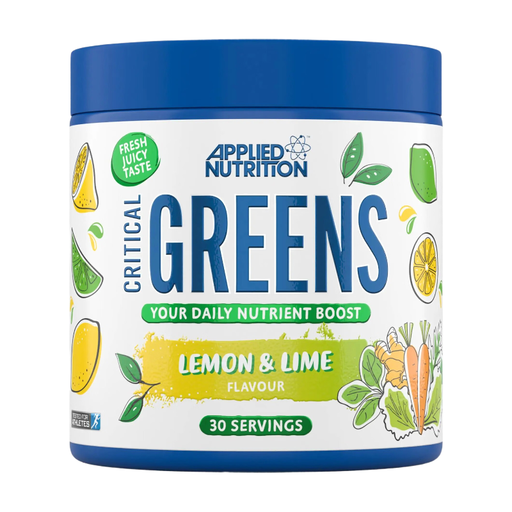
Why This Fits Their Persona: A one-scoop format may suit shoppers who want to add plant ingredients to a routine without buying several separate capsules. Each 5 g serving contains 18 kcal and a blend including spirulina, barley grass, wheatgrass, kale and broccoli.
The label states the quantity of several ingredients per 5 g serving, rather than relying only on vague “greens” wording. It does contain celery, so allergen checks are essential.
150 g pack; lemon and lime flavour; one 5 g serving mixed with 250 ml of cold water.
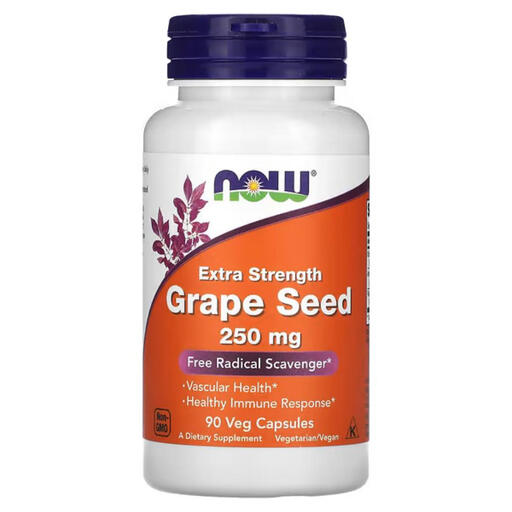
Why This Fits Their Persona: Suitable for shoppers comparing a clearly quantified botanical extract rather than a broad multivitamin. The listed formula includes grape seed extract, amla extract and rutin.
Its listing specifies 250 mg of extract and a minimum of 90% polyphenols. Despite the product title, the supplied ingredients state bovine gelatine, so it should not be assumed to be vegan.
90 softgels; non-GMO listing; stated serving of one softgel one to two times daily.
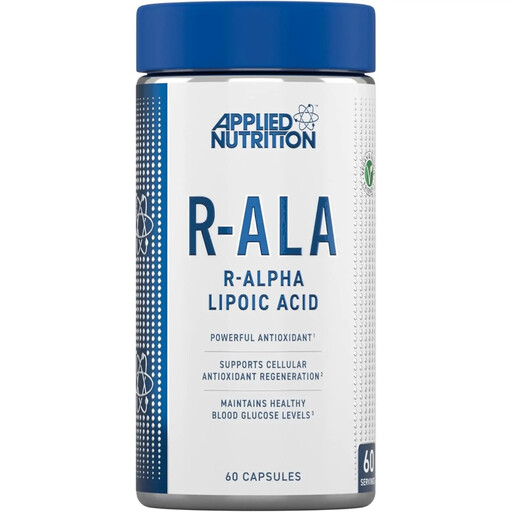
Why This Fits Their Persona: Designed for adults seeking a targeted alpha lipoic acid product, including active individuals and shoppers following vegan or Halal dietary requirements.
The formula identifies 200 mg of R-alpha lipoic acid per capsule and gives a maximum of one capsule in 24 hours. Anyone using blood-glucose medication should seek professional advice first.
Vegan HPMC capsule; 60-capsule pack; UK-manufactured listing with Halal suitability stated.
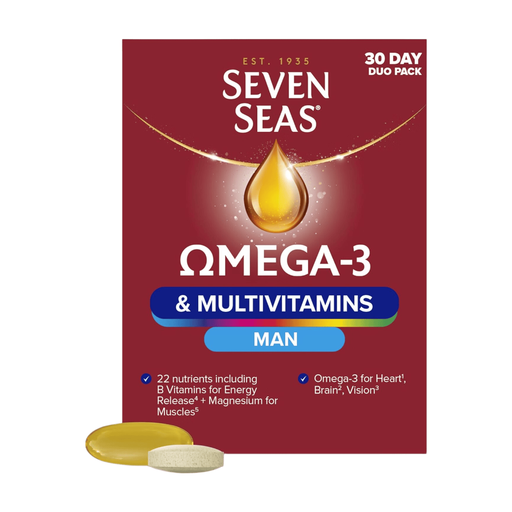
Why This Fits Their Persona: A practical option for men aged 50 and over who prefer a two-part daily pack combining a multivitamin tablet with an omega-3 capsule.
The pack states 300 mg omega-3 per fish-oil capsule, including EPA 160 mg and DHA 100 mg, plus declared vitamin and mineral amounts. It contains fish and beef gelatine.
30-day supply; one tablet and one capsule daily; includes vitamin D, vitamin C, zinc and selenium.
We have compiled a complete, real-time list of products that fully satisfy these strict selection criteria and UK safety regulations.
There is no single choice for everyone. A lower-complexity product such as vitamin C capsules, a greens powder or a standard multivitamin may suit general nutritional support. Targeted products containing zinc, selenium, vitamin E or alpha lipoic acid require closer attention to dose and overlap with other supplements.
Possibly, but check the combined amounts first. Men’s multivitamins may already contain vitamin C, vitamin E, zinc and selenium. Adding separate products can raise total intake beyond what you intended. Follow the label and ask a pharmacist or healthcare professional if you use medicines or have an existing health concern.
Calculate the pack size against the stated serving. A 60-capsule product taken once daily lasts 60 days, while a 60-capsule product taken twice daily lasts 30 days. This simple calculation helps compare the true cost of daily antioxidant support and prevents buying a formula that will run out sooner than expected.