
24/7 Customer Support

Free returns

Same-day & Next-day Delivery

Quality Guaranteed

Unlock Your Welcome Offers: FREE Delivery | Up to 80% OFF | Free 30-day JoyPlus trial
Download the APP
Choosing an antiperspirant deodorant is rarely as simple as picking the strongest-looking can on the shelf. UK shoppers often compare 48-hour and 72-hour claims, fragrance, skin comfort and clothing protection, yet the headline promise may not match their actual routine.
A suitable product should fit how much you sweat, how often you travel, what clothing you wear and whether your underarms tolerate alcohol or fragrance. The following guide explains the main buying traps, the specifications worth checking and a selection of products for different users.
A 48-hour antiperspirant or 72-hour antiperspirant claim describes the product’s stated protection period under specified conditions. It does not mean every user can apply it once and expect identical results through two or three days.
Washing, exercise, hot weather, application technique and individual perspiration levels all affect performance. For most people, daily application to clean, dry skin remains the practical routine, even when a product carries a longer-duration claim.
An invisible deodorant is designed to reduce visible residue, but applying too much or dressing immediately can still cause transfer. White marks are more noticeable on dark clothing, while yellowing can develop on light fabrics through a mixture of sweat, product ingredients and repeated washing.
Allow a spray or roll-on to dry fully before dressing. If clothing protection is important, look for specific anti-stain or anti-white-mark wording and follow the label directions rather than relying on the word “clear” alone.
A strong fragrance can become unpleasant in a warm office, on public transport or during exercise. Meanwhile, aerosol propellants may be unsuitable for shoppers who dislike airborne products or have limited ventilation at home.
Those seeking an alcohol-free deodorant or deodorant for sensitive skin should check the ingredients and warnings. “Alcohol-free” generally refers to the absence of ethanol or denatured alcohol; it does not mean the formula contains no fragrance or other ingredients that may irritate an individual.
An antiperspirant normally contains an aluminium salt, such as aluminium chlorohydrate or aluminium sesquichlorohydrate, to help reduce perspiration at the application area. Deodorant-only products primarily address odour through fragrance or odour-control ingredients and may not provide the same wetness control.
Check the ingredient list if controlling sweat is your priority. Remember that product claims and directions vary, so use the packaging as the final reference.
Look for relevant features such as alcohol-free, fragrance preference, moisturising ingredients, dermatological testing and anti-stain technology. These details can improve suitability but are not a guarantee that irritation or fabric marks will never occur.
Do not apply antiperspirant deodorant to broken, sore or irritated skin. Stop using it if a rash or persistent irritation develops.
The products below are matched to distinct shopping profiles using listed format, size, protection claims and formula features.
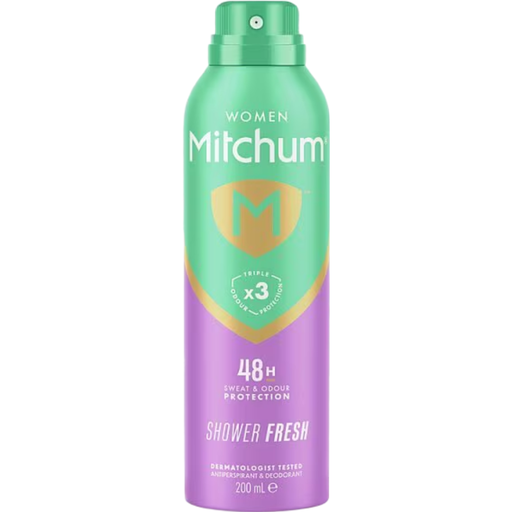
Why This Fits Their Persona: A straightforward full-size deodorant spray for shoppers who want everyday sweat and odour protection with a fresh shower fragrance.
Its listed 48-hour claim is paired with clear spray instructions, while the formula is stated to be alcohol-free and invisible on application.
200ml aerosol; aloe vera and vitamin E are listed; designed to dry invisibly.
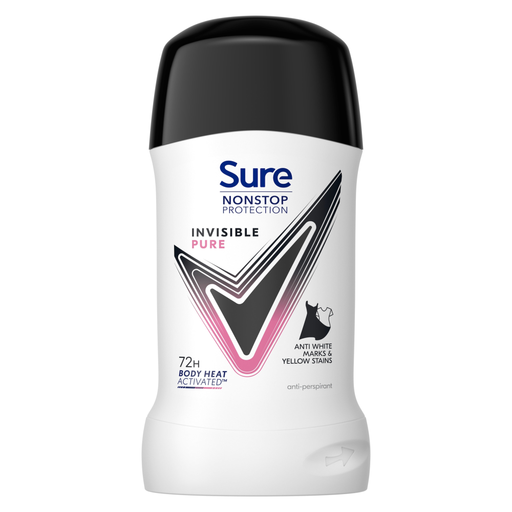
Why This Fits Their Persona: A compact cream format for users prioritising discreet application, clothing protection and a light citrus-mint scent.
The 50ml pack supports controlled application, and the listed formula is alcohol-free with invisible-finish and anti-stain features.
72-hour protection claim; cream applicator; suitable for users looking for a smaller travel format.
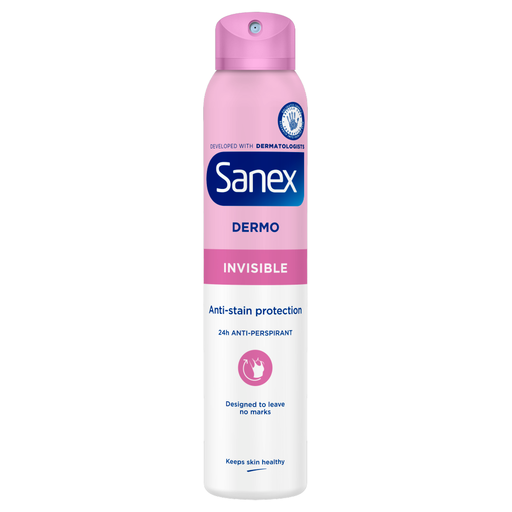
Why This Fits Their Persona: A practical option for shoppers seeking an alcohol-free spray and clothing-conscious daily protection.
The listing identifies 0% alcohol and anti-stain protection, while also advising application only to healthy skin.
200ml spray; dermatologically tested formula; designed to minimise white marks and yellow stains.
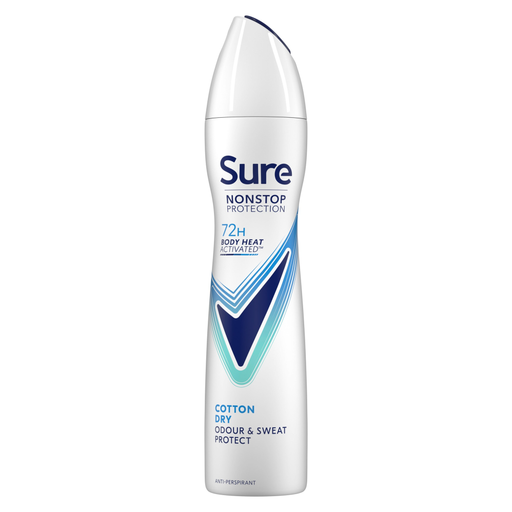
Why This Fits Their Persona: Suitable for active routines involving commuting, sport or long working days where a larger aerosol and extended protection claim are useful.
The product states a 72-hour claim, but still provides clear short-burst, 15cm application guidance rather than suggesting unlimited spraying.
250ml aerosol; alcohol-free formula; fresh cotton fragrance and body-heat-activated technology are listed.
We have compiled a complete, real-time list of products that fully satisfy these strict selection criteria and UK safety regulations.
It may suit people who prefer an extended protection claim or who have active routines, but it is not automatically more economical. Compare the price per millilitre, pack size, application frequency and whether the formula suits your skin. Many shoppers still apply daily after washing.
Shelf-life guidance varies by product. Check the expiry, batch and storage information printed on the packaging. Keep aerosols cool, dry and away from heat, and replace any product that changes smell, texture or appearance.
There is no universal answer. Aerosols can offer quick, broad application, while roll-ons apply a smaller amount directly to the skin. Your cost depends on pack price, size, coverage and how much you use each time. Comparing price per 100ml is a useful starting point.