
24/7 Customer Support

Free returns

Same-day & Next-day Delivery

Quality Guaranteed

Unlock Your Welcome Offers: FREE Delivery | Up to 80% OFF | Free 30-day JoyPlus trial
Download the APP
Choosing an antiperspirant deodorant is not simply a case of picking the strongest-looking can on the shelf. UK shoppers often compare fragrance, protection duration, application format and price, yet small differences in the formula can affect comfort, clothing and everyday practicality.
This guide from the Joybuy Product Recommendation Officer explains the main buying traps, the specifications worth checking and a selection of products matched to different routines.
A label stating 48-hour sweat protection or 72-hour sweat protection describes the product’s stated maximum protection period under specified conditions. It does not necessarily mean that one application will feel identical after two or three days, particularly after showering, exercise or heavy sweating.
For most people, daily application to clean, completely dry underarms is more practical. Look at the protection duration as a comparison point rather than a reason to avoid washing or reapplying when needed.
A deodorant primarily helps control or mask odour. An antiperspirant contains an aluminium-based active ingredient, such as aluminium chlorohydrate or aluminium sesquichlorohydrate in the listed products, to reduce underarm wetness.
If your main concern is damp clothing, search specifically for underarm sweat protection and check that “antiperspirant” appears on the product label. If odour is the priority, an odour control deodorant may be sufficient.
Invisible formulas are designed to reduce visible white marks or yellow staining, but application technique still matters. Spraying too close, applying too heavily or dressing before the product dries can transfer residue to clothing.
For more reliable results, apply only to dry skin, hold an aerosol approximately 15cm away and allow it to dry before putting on a shirt or blouse.
Format is a practical choice, not a reliable indicator of performance. Check the active ingredient, stated protection duration and skin-related features alongside the format.
Products in this selection offer stated protection ranging from 24 to 72 hours, with many positioned around 48 hours. For commuting, office work and ordinary daily use, 48 hours may provide a suitable reference point. For sport, physical work or warm summer travel, consider products that specifically mention body heat, movement or active-use odour control.
Remember that no cosmetic product removes the need for normal washing. Reapply only according to the label instructions.
Those seeking a sensitive skin antiperspirant may prefer an alcohol-free product and a dermatologically tested formula. However, “alcohol-free” does not mean that irritation is impossible: fragrance and other ingredients can still cause sensitivity.
If clothing marks are a concern, look for terms such as invisible, “anti-stain” or “no white marks”. These are useful product features, but drying time and application amount remain important.
The following cards match products to distinct shopping profiles rather than ranking them universally.
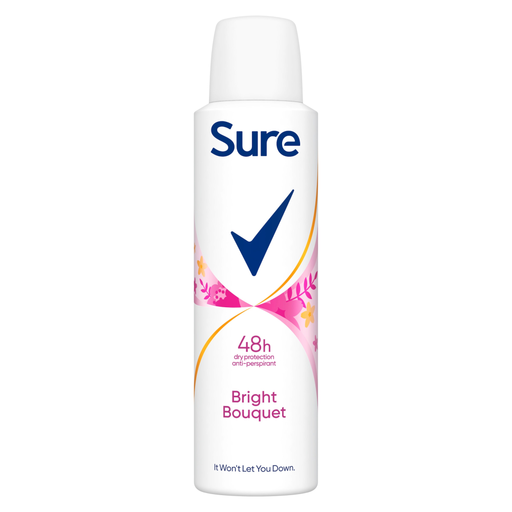
Why This Fits Their Persona: A straightforward daily aerosol for shoppers wanting a familiar format, alcohol-free formula and a fruity fragrance without moving to a larger 200ml or 250ml can.
Its stated protection is up to 48 hours, making the claim easier to compare with similar everyday products rather than implying multi-day use is always necessary.
Alcohol-free formula; 150ml recyclable aluminium aerosol; MotionSense fragrance feature.
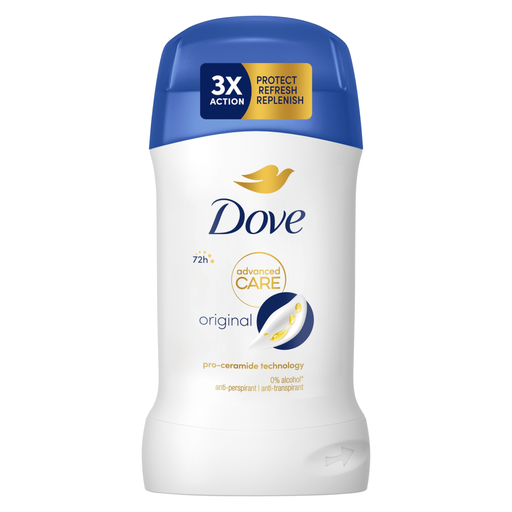
Why This Fits Their Persona: Suits shoppers who value a cream texture, 0% alcohol and added underarm care, including those who want a compact product after shaving.
The 50ml cream format encourages controlled application, while the product information specifies allowing it to dry before dressing to reduce transfer.
Up to 72-hour stated protection; 0% alcohol; pro-ceramide and moisturising features listed by the brand.
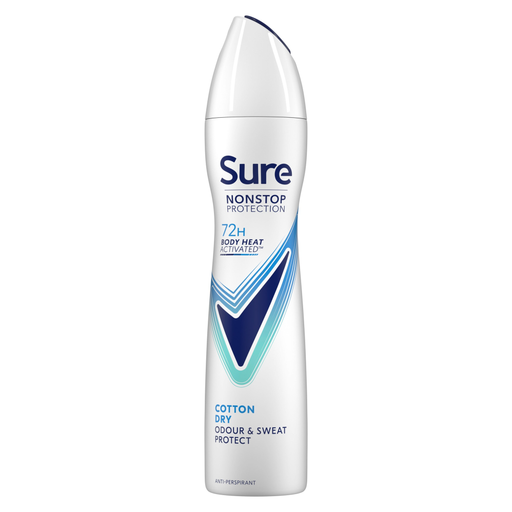
Why This Fits Their Persona: A larger aerosol for active routines, physical work, gym sessions or shoppers who prefer a cotton-inspired fragrance and a longer stated protection period.
The listing states up to 72-hour protection and body-heat-activated technology, but normal washing and label directions still apply.
250ml aerosol; alcohol-free formula; stated 72-hour sweat and odour protection.
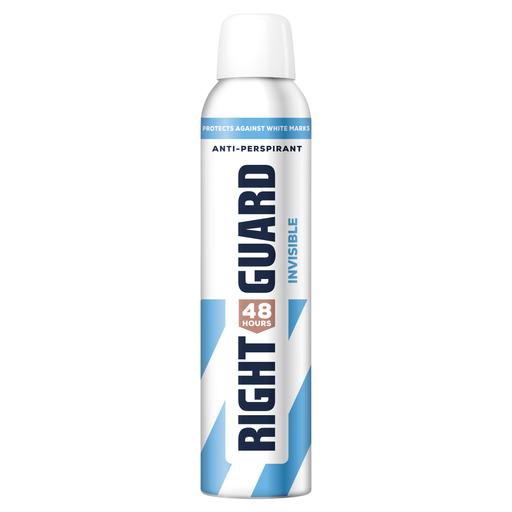
Why This Fits Their Persona: Suitable for office wardrobes, dark tops and shoppers who prioritise an invisible aerosol with a familiar 48-hour protection claim.
The product is specifically described as invisible and designed to reduce white marks, while correct spray distance remains essential.
Alcohol-free formula; 250ml size; stated protection against white marks on multiple fabrics and colours.
For an aerosol deodorant spray, shake the can, hold it around 15cm from clean, dry underarms and use short bursts in a well-ventilated area. A roll-on antiperspirant or cream should also be applied to clean, dry skin and left to dry before dressing.
Do not apply any format to broken, irritated or freshly damaged skin. Avoid the eyes, mouth and inhalation. Aerosols are extremely flammable pressurised containers: keep them away from flames, heat and temperatures above 50°C, and never pierce or burn the can.
If a rash, itching or discomfort develops, stop using the product. Check the packaging for the current ingredients, warnings, batch information and expiry guidance before use.
We have compiled a complete, real-time list of products that fully satisfy these strict selection criteria and UK safety regulations.
Many products are designed for daily use when applied as directed to healthy, dry skin. An alcohol-free deodorant may feel more comfortable for some users, but fragrance and other ingredients can still cause sensitivity. Stop using a product if irritation appears.
Antiperspirant products are designed to help reduce perspiration as well as control odour, while deodorant mainly targets odour. The actual duration depends on the formula, application, washing, activity and individual sweating. Treat “48-hour” and “72-hour” wording as stated product guidance rather than a guarantee of identical performance for every user.
A larger aerosol can may offer more applications, while a 50ml roll-on antiperspirant or cream can reduce packaging size and suit travel. Compare the price per 100ml where available, and consider how much product your application method uses. Spraying in short bursts and applying a thin, even layer can help reduce unnecessary consumption.