
24/7 Customer Support

Free returns

Same-day & Next-day Delivery

Quality Guaranteed

Unlock Your Welcome Offers: FREE Delivery | Up to 80% OFF | Free 30-day JoyPlus trial
Download the APP
Finding an antiperspirant deodorant that works with your routine should be straightforward, but product labels can make comparison difficult. A “48-hour” claim does not necessarily mean you will never need to reapply, while a pleasant fragrance says little about sweat control. Packaging, application method and skin comfort also affect whether a product is practical for everyday use in the UK.
This guide explains the key details to check before buying, highlights common marketing pitfalls and matches several options to different shopping needs.
A 48-hour antiperspirant or 72-hour antiperspirant label describes the product’s stated protection period under its intended use conditions. It is not a promise that every user will remain dry or odour-free for the full duration, particularly during exercise, hot weather or stressful situations.
For everyday shopping, compare the stated duration with your actual routine. A 48-hour product may be sufficient for office days, commuting and normal errands, while a longer-duration formula may appeal to people with demanding schedules.
An invisible deodorant is designed to reduce visible white residue, but application technique still matters. Spraying too closely, applying too much or dressing immediately can increase the chance of transfer. Roll-on formulas may also leave damp patches if they are not given enough time to dry.
Look for clearly stated anti-white-mark or anti-stain features, then apply only to clean, completely dry skin and allow the product to dry before dressing.
A strong fragrance can mask odour temporarily, but it does not automatically indicate effective sweat protection. If your priority is wetness control, check that the product is labelled as an antiperspirant, rather than simply a deodorant. If your underarms are easily irritated, inspect the ingredient list and consider an alcohol-free deodorant.
Fragrance ingredients can still be present in alcohol-free products, so review the label if you have known sensitivities.
Antiperspirants commonly contain aluminium-based active ingredients, such as aluminium chlorohydrate or aluminium sesquichlorohydrate, which are included to help manage perspiration. Deodorants primarily target odour. Many supermarket products combine both functions, but the wording on the pack is worth checking.
Product duration claims vary across the range:
A deodorant spray dries quickly and covers the area without direct applicator contact. Aerosols must be used in a well-ventilated space, kept away from flames and never exposed to temperatures above the limit printed on the packaging.
A roll-on deodorant is compact and often convenient for a gym bag or bathroom cabinet. It usually needs more drying time, but it can make controlled application easier and may be preferable if you want to avoid aerosol inhalation.
For delicate underarms, look for features such as 0% alcohol, moisturising ingredients or dermatological testing. These descriptions do not guarantee that irritation is impossible, so stop using any product that causes a rash or discomfort.
If clothing marks are a concern, prioritise terms such as anti-white mark deodorant, “invisible application” or anti-stain technology. Also check fragrance preferences: floral and powder scents may suit some users seeking a women’s deodorant, while clean, woody or fresh profiles are common in men’s deodorant ranges, although most products can be selected according to personal preference rather than gender.
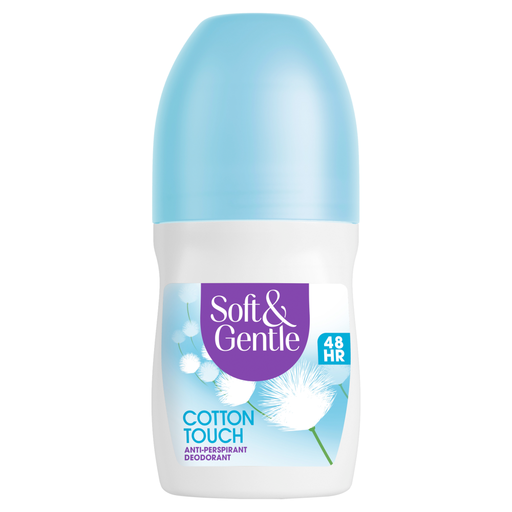
Why This Fits Their Persona: The 50ml roll-on format is practical for daily use, handbags and commuting, while its floral fragrance suits shoppers wanting a compact everyday option.
Its product details state 48-hour protection, an alcohol-free formula and anti-white-mark performance, helping shoppers compare beyond fragrance alone.
50ml roll-on; alcohol-free formula; stated 48-hour sweat and odour protection.
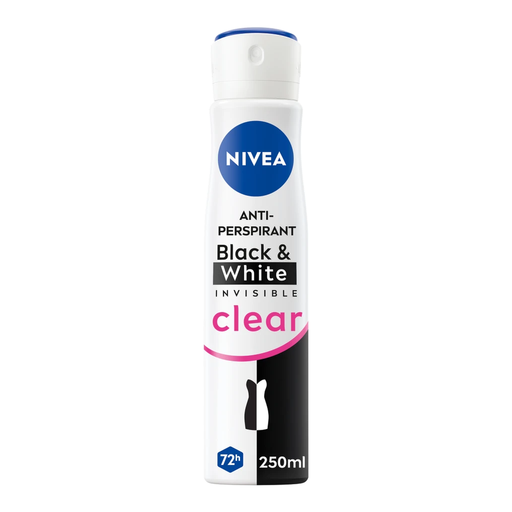
Why This Fits Their Persona: A larger 250ml aerosol suits regular home use for shoppers prioritising extended stated protection and clothing-care features.
The listed anti-stain technology specifically addresses white marks on dark clothing and yellow stains on white garments, rather than relying only on an “invisible” name.
Stated 72-hour protection; 250ml spray; no ethyl alcohol listed in the product description.
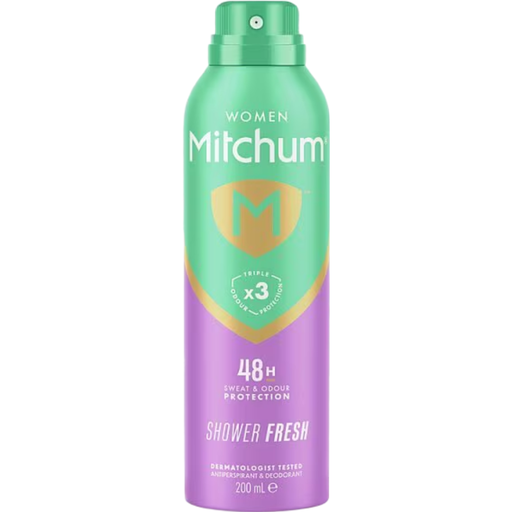
Why This Fits Their Persona: Its stated 48-hour protection and Triple Odour Defence Technology may suit active routines, commuting and days involving heat, movement or stress.
The product description identifies separate odour considerations linked with heat, motion and stress, rather than presenting fragrance as the only form of odour protection.
200ml aerosol; alcohol-free formula; aloe vera and vitamin E are listed; invisible application.
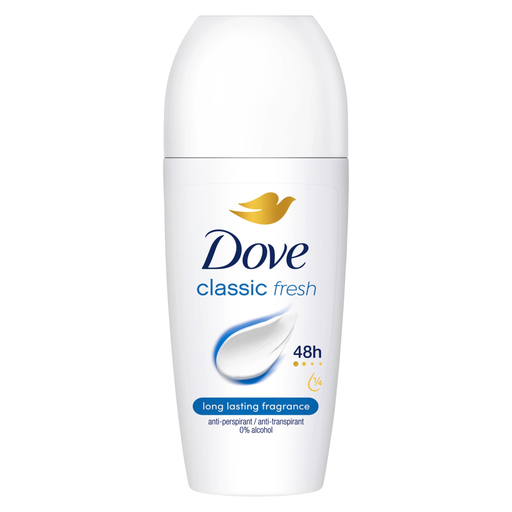
Why This Fits Their Persona: The compact roll-on format and subtle classic scent work well for shoppers wanting a gentle-feeling daily product after washing or shaving.
Its listed 0% alcohol formula and moisturising cream feature provide more useful comparison points than choosing solely by scent or protection duration.
50ml roll-on; up to 48-hour stated protection; 0% alcohol; moisturising cream included.
We have compiled a complete, real-time list of products that fully satisfy these strict selection criteria and UK safety regulations.
They serve different purposes. Antiperspirant products are formulated to help manage perspiration, while deodorants mainly provide odour protection or fragrance. Combined antiperspirant deodorants offer both functions, so check the product label if sweat control is your main concern.
Apply the product to completely dry skin and allow it to dry before dressing. Avoid over-spraying, as more product does not necessarily mean better protection. Reapply according to the label and your personal needs, especially after washing or strenuous activity.
The answer depends on pack size, price and how much you apply. Roll-ons can offer controlled application and compact packaging, while aerosols may provide quicker coverage. Compare the price per 100ml rather than the shelf price alone to make a fairer comparison.