
24/7 Customer Support

Free returns

Same-day & Next-day Delivery

Quality Guaranteed

Unlock Your Welcome Offers: FREE Delivery | Up to 80% OFF | Free 30-day JoyPlus trial
Download the APP
Sweat and body odour protection can vary considerably between products, even when the packaging promises 48-hour deodorant or 72-hour antiperspirant performance. A can that smells fresh in the shop may leave marks on dark clothing, while a sensitive skin deodorant may not provide enough protection for commuting, exercise or long shifts.
The main issue is that deodorant and antiperspirant are not identical. Deodorant primarily helps manage odour, while antiperspirant products usually contain aluminium salts intended to reduce perspiration. Understanding that distinction makes it easier to compare men’s deodorant, women’s deodorant and unisex options without relying on exaggerated advertising.
A product labelled “fresh” or “odour defence” may not be designed to reduce wetness. If staying dry is important, look for an active antiperspirant ingredient such as aluminium chlorohydrate or aluminium sesquichlorohydrate in the ingredients list.
For odour control alone, an aluminium-free deodorant may be suitable. However, it should not be treated as an equivalent replacement for an antiperspirant when perspiration management is your priority.
Protection duration is generally based on the product’s stated performance conditions. It does not mean every user will remain dry or odour-free for the full period, particularly during hot weather, strenuous exercise or stressful situations.
A 72-hour antiperspirant may suit people who prefer long-lasting protection, but daily application can still be appropriate. Follow the label rather than applying excessive amounts.
Invisible deodorant formulas are designed to reduce visible white residue, but transfer can still occur if too much product is applied or clothing is put on before the underarms are dry. Yellow marks on pale shirts can also be affected by sweat, fabric type and repeated washing.
Sprays should be applied in short bursts from around 15cm away, while sticks and roll-ons should be spread in a thin, even layer.
For sweat reduction, check for aluminium-based active ingredients. If you specifically want an aluminium-free deodorant, select a formula that clearly states this on the packaging and understand that it is intended mainly for odour management.
People seeking an alcohol-free deodorant should check the full ingredient list rather than relying only on front-of-pack wording. Fragrance ingredients can also be relevant for sensitive users. A sensitive skin deodorant may use aloe vera, moisturising ingredients or a fragrance-free formulation, but “suitable for sensitive skin” is not a guarantee that every individual will tolerate it.
Do not apply any antiperspirant deodorant to broken, irritated or freshly shaved skin unless the product instructions specifically allow it.
The correct format depends on your routine rather than gender. Men’s deodorant and women’s deodorant are often differentiated by fragrance and packaging, while the key performance factors remain ingredients, application and wear time.
If you regularly wear dark workwear or white shirts, prioritise an invisible deodorant with anti-mark wording. Allow the product to dry fully before getting dressed.
Fragrance is equally practical. Fresh fragrance deodorant options may suit offices, travel and everyday wear, while stronger scents can compete with perfume or cologne. Consider whether you want the deodorant to complement or replace another fragrance product.
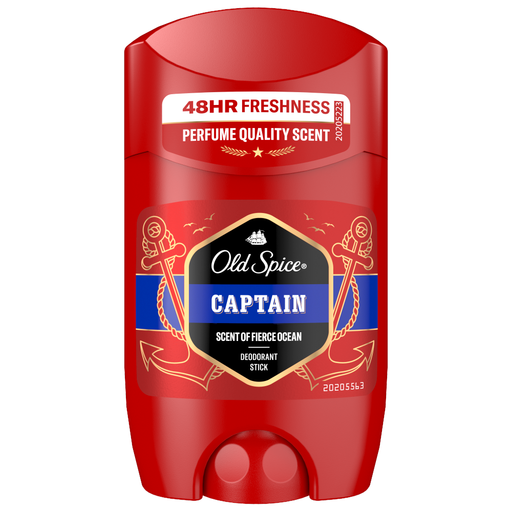
Why This Fits Their Persona: A compact deodorant stick for shoppers who want a straightforward daily product with an ocean, sandalwood and bergamot fragrance.
The stick format helps limit overspray and can reduce product transfer when applied thinly. Check the current packaging because the supplied product information contains conflicting aluminium details.
50ml solid stick; stated 48-hour odour protection; portable format.
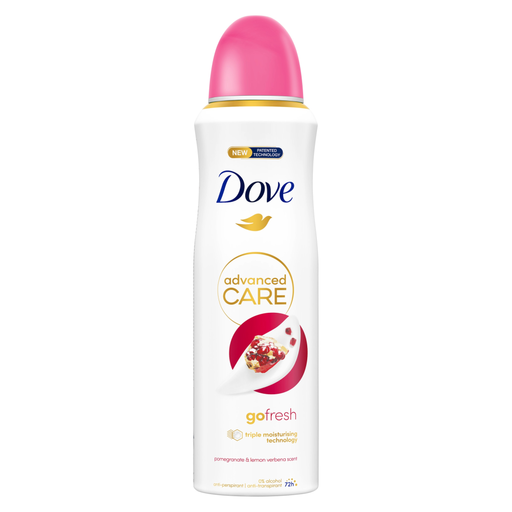
Why This Fits Their Persona: A vegan aerosol option for daily users who value moisturising ingredients, a fruity fragrance and a clear-drying finish.
Its invisible dry finish addresses residue concerns, while the ingredient list makes it clear that it is an aluminium-containing antiperspirant rather than an aluminium-free deodorant.
Stated 72-hour protection; vegan formula; pomegranate and lemon verbena fragrance; 200ml aerosol.
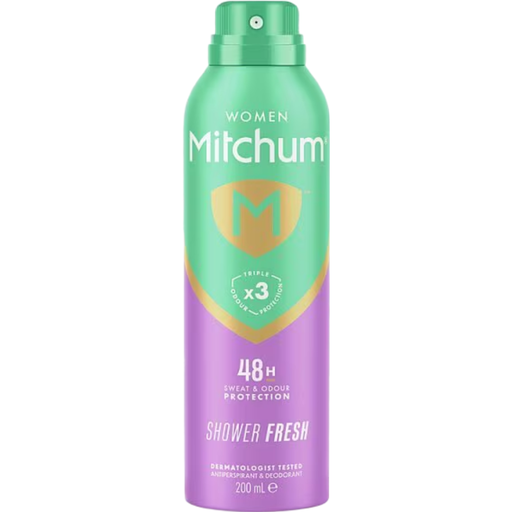
Why This Fits Their Persona: Suits active routines, commuting and physically demanding days where sweat and odour control are key considerations.
The product specifies alcohol-free and invisible application, helping address common irritation and clothing-mark concerns. It still contains an aluminium antiperspirant ingredient, so it is not an aluminium-free option.
Stated 48-hour sweat and odour control; aloe vera and vitamin E; 200ml spray format.
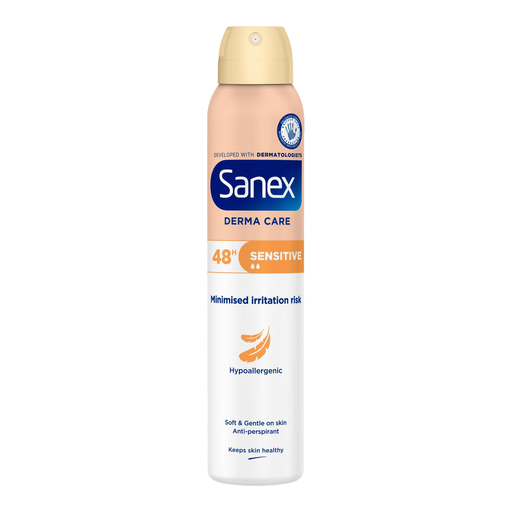
Why This Fits Their Persona: A practical choice for shoppers who prioritise an alcohol-free, low-fragrance approach for everyday underarm care.
The supplied details identify an alcohol-free dermo-sensitive formula. Check the label for the current fragrance and ingredient information, particularly if you have previously reacted to deodorant.
Stated 72-hour protection; aloe vera and glycerin listed; 200ml aerosol format.
We have compiled a complete, real-time list of products that fully satisfy these strict selection criteria and UK safety regulations.
Many products are designed for daily use, but always follow the packaging directions. Applying more than recommended does not necessarily provide additional protection and may increase the chance of irritation.
Lifespan depends on product size, application frequency and whether it is shared. A 50ml stick or roll-on is compact but will generally contain less product than a 200ml or 250ml aerosol. Check the packaging for the period-after-opening symbol and storage instructions.
Not automatically. A larger can may offer more applications, but cost per use depends on how much is applied each time. Compare net content, recommended application and price rather than relying only on the advertised protection duration.