
24/7 Customer Support

Free returns

Same-day & Next-day Delivery

Quality Guaranteed

Unlock Your Welcome Offers: FREE Delivery | Up to 80% OFF | Free 30-day JoyPlus trial
Download the APP
Choosing an antiperspirant deodorant is not simply a matter of picking a pleasant fragrance. UK shoppers also need to consider sweat control, application format, skin comfort, clothing marks and storage requirements.
Marketing language can make similar products appear very different, while some important details are easy to miss. A product labelled “long-lasting” may still require careful application, and a fragrance that smells appealing in the shop may feel too strong during a full day at work or on public transport.
This guide explains the practical details to check before buying, followed by product suggestions matched to different routines.
A deodorant mainly helps mask or reduce body odour, while an antiperspirant contains an aluminium-based active ingredient, such as aluminium chlorohydrate or aluminium sesquichlorohydrate, to help reduce underarm wetness.
If your priority is sweat and odour protection, check that the product is specifically described as an antiperspirant. A fragrance-led deodorant may not provide the level of wetness management you expect.
Protection duration varies according to application, activity, clothing, temperature and individual perspiration. “Up to 48 hours” and “up to 72 hours” are product claims, not a promise that every user can skip washing or reapplication indefinitely.
For consistent results, apply the product to clean, completely dry underarms and allow it to dry before dressing. Follow the label instructions rather than applying a thicker layer.
Each format has practical trade-offs:
Look for the stated protection period, such as 48-hour protection or 72-hour protection, and check the ingredient list for an aluminium antiperspirant active. A longer stated duration can suit busy schedules, travel or active days, but correct application remains important.
People looking for women’s antiperspirant or men’s antiperspirant should also compare the formula rather than relying only on the product section. The practical differences are usually fragrance, packaging and positioning; sweat-control ingredients and format are more relevant to performance.
For easily irritated underarms, consider an alcohol-free deodorant or sensitive skin deodorant. Some products also include moisturising ingredients such as glycerin, sunflower seed oil or moisturising cream.
Do not apply antiperspirant to broken, sore or freshly irritated skin. If you shave, leaving time between shaving and application may help reduce discomfort. Stop using a product if redness, itching or a rash develops.
An invisible dry deodorant can be useful with dark or close-fitting clothing, but “invisible” does not remove the need to let the product dry properly. If clothing marks are a concern, apply a light, even layer and wait before dressing.
For fragrance, compare the description with your usual routine. Cotton, powder, floral, fruity, citrus and clean scents can all wear differently throughout the day. If you already use scented shower products or fragrance, a subtle formula may be easier to combine.
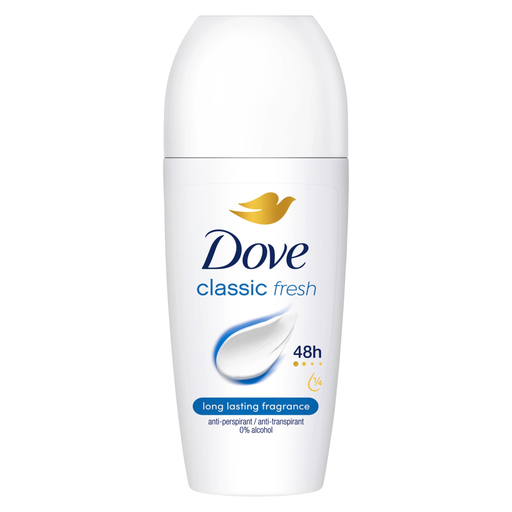
Why This Fits Their Persona: A compact roll-on format suits shoppers starting a daily routine, keeping application controlled and easy to manage at home or while travelling.
Its listed 0% alcohol formula and clear application instructions address the common mistake of choosing fragrance alone without checking skin comfort.
Up to 48 hours of listed protection; ¼ moisturising cream; 50ml roll-on format.
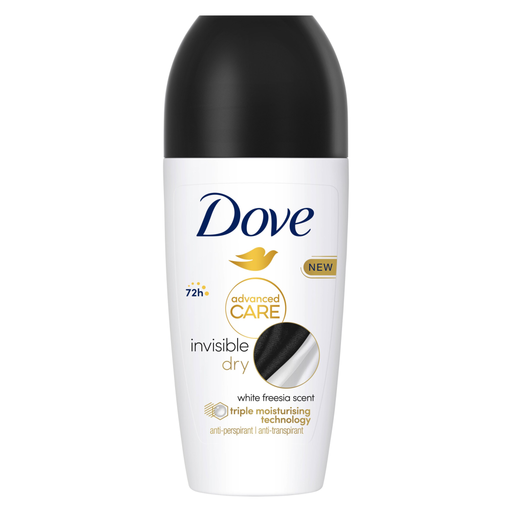
Why This Fits Their Persona: Suitable for shoppers who want a roll-on with skin-care features and a finish designed for everyday clothing.
The product description specifies an invisible finish, alcohol-free formulation and application to clean, dry skin, helping address concerns about marks and irritation.
Up to 72 hours of listed protection; Triple Moisturising technology; white freesia fragrance.
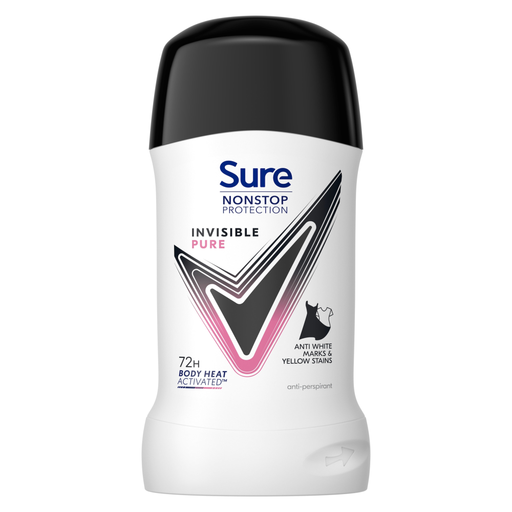
Why This Fits Their Persona: A cream format with a 72-hour listed protection period may appeal to active users who prioritise extended coverage and discreet application.
Its listed invisible, alcohol-free formula directly addresses concerns about fabric marks and stinging, while the instructions specify applying to dry skin.
Up to 72 hours of listed protection; cream texture; citrus-mint fragrance; 50ml size.
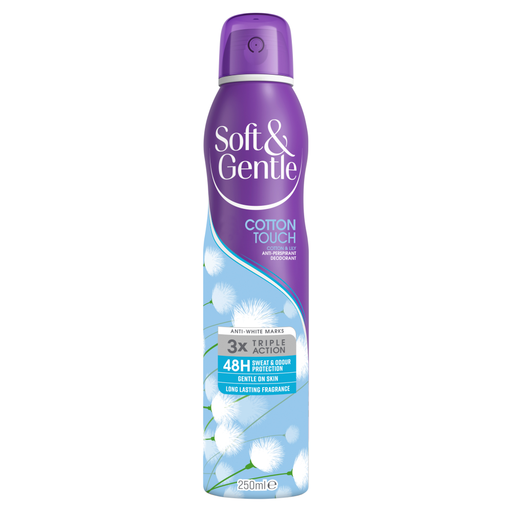
Why This Fits Their Persona: The larger aerosol can suits regular users who want a 250ml household format and prefer a cotton-fresh scent.
The product details list 0% alcohol, a silicone-free formula and help with white-mark concerns, giving shoppers clear criteria beyond fragrance.
Up to 48 hours of listed protection; vegan-friendly positioning; recyclable aerosol can; 250ml capacity.
We have compiled a complete, real-time list of products that fully satisfy these strict selection criteria and UK safety regulations.
It depends on the amount used and the pack price. A roll-on can offer controlled application with less airborne product, while aerosols may cover quickly and dry faster. Compare the price per 100ml where available rather than judging value from the pack size alone.
Follow the packaging guidance. Many personal-care products recommend use within 12 months after opening, but the relevant shelf-life information can vary by product. Store roll-ons and creams in a cool, dry place, and keep aerosols away from heat and direct sunlight.
Avoid applying it immediately to irritated or damaged skin. Some moisturising or alcohol-free formulas are designed with underarm comfort in mind, but individual tolerance differs. Wait until the skin feels settled, follow the label and stop use if irritation develops.