
24/7 Customer Support

Free returns

Same-day & Next-day Delivery

Quality Guaranteed

Unlock Your Welcome Offers: FREE Delivery | Up to 80% OFF | Free 30-day JoyPlus trial
Download the APP
Finding the right antiperspirant deodorant spray should be straightforward, but product labels can make comparison difficult. A can promising “all-day freshness” may offer mainly fragrance, while another with a 72-hour statement may not suit sensitive skin or your preferred scent.
The most useful approach is to compare the product’s active antiperspirant ingredient, protection duration, formula details and application instructions—not simply the largest claim on the front of the can.
A deodorant generally helps control or mask body odour. An antiperspirant contains an aluminium-based active ingredient, such as aluminium chlorohydrate or aluminium sesquichlorohydrate, to help reduce perspiration.
Some aerosol products combine both functions, while a body spray may focus primarily on fragrance and odour freshness. For noticeable sweat control, check that “antiperspirant” appears in the product name or description.
A 48-hour antiperspirant or 72-hour antiperspirant statement describes the protection period stated for the product. It does not mean that every user can apply it once and expect identical performance through two or three days of exercise, hot weather and showering.
Application matters. Most sprays should be used on clean, dry underarms in short bursts, from approximately 15 cm away. Allow the product to dry before dressing and follow the label rather than repeatedly overspraying.
An invisible deodorant is designed to reduce visible residue, but application to damp skin, applying too much or dressing immediately can still lead to transfer. If protecting dark tops or white shirts is important, look for specific anti-white-mark or anti-yellow-stain wording and allow the spray to dry fully.
For daily commuting, office wear or moderate activity, 48-hour protection may be a practical choice. People who want longer stated protection can compare 72-hour options, including products using body-heat or movement-activated technology.
Remember that “protection” is not the same as complete prevention of sweating or odour. Performance can vary with activity, clothing, weather and individual skin.
If you prefer an alcohol-free deodorant, check the ingredient list rather than relying only on front-label wording. Alcohol-free formulas may be preferable for shoppers who find ethanol-based sprays uncomfortable, particularly after shaving. However, alcohol-free does not automatically mean irritation-free: fragrance ingredients can also be relevant for sensitive users.
For sensitive skin deodorant, look for clearly stated features such as alcohol-free, fragrance-free or hypoallergenic positioning. Do not apply any aerosol to broken, irritated or freshly shaved skin unless the packaging specifically advises otherwise. Stop using it if a rash or irritation develops.
Choose a fresh-scented deodorant that suits your routine, but consider whether a strong fragrance could compete with perfume or be unsuitable for shared indoor spaces. Products marketed as invisible or clear may be more convenient with workwear.
Pack size also affects value. Common cans range from 150ml to 250ml. A larger can may reduce the frequency of replacement, while a compressed 200ml can may be designed to provide a spray count comparable with a larger format. Aerosols are flammable and pressurised: store them away from heat, flames and temperatures above 50°C, and use them in a well-ventilated area.
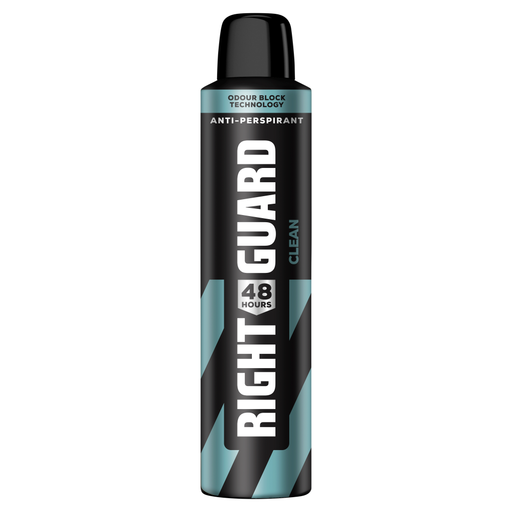
Why This Fits Their Persona: The 250ml format offers a practical everyday option for shoppers who want a straightforward aerosol deodorant for work, commuting and general daily use.
The product clearly states 48-hour antiperspirant protection and an alcohol-free formula, making it easier to compare with fragrance-only body sprays.
Up to 48-hour protection, alcohol-free formula and stated protection against white, yellow and oily marks.
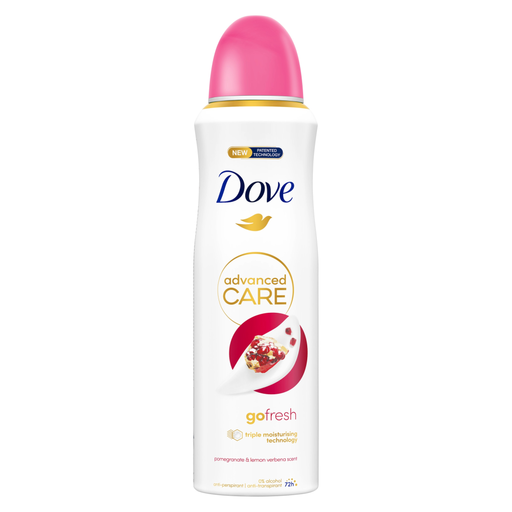
Why This Fits Their Persona: A suitable match for shoppers prioritising a fruity fragrance, clothing-conscious application and vegan-friendly product positioning.
Its listed invisible dry finish addresses the common concern that antiperspirant residue may show on clothing.
72-hour protection stated, pomegranate and lemon verbena fragrance, vegan positioning and moisturising technology.
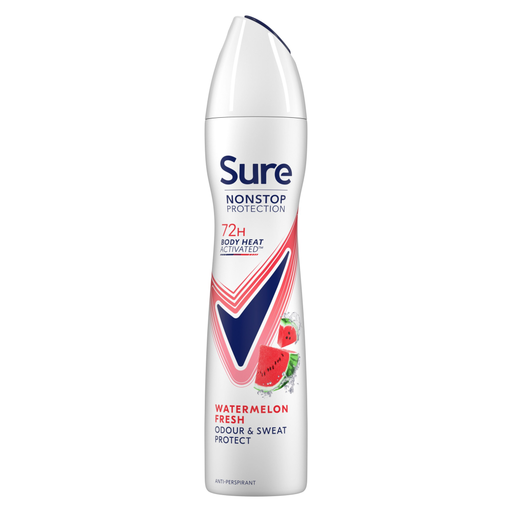
Why This Fits Their Persona: Designed for active routines, including gym sessions, busy commutes and days when movement and changing body temperature are key concerns.
The 72-hour statement is paired with clearly listed application directions and a body-heat-activated technology description, rather than relying on fragrance alone.
72-hour sweat and odour protection, alcohol-free formula, watermelon fragrance and aluminium can.
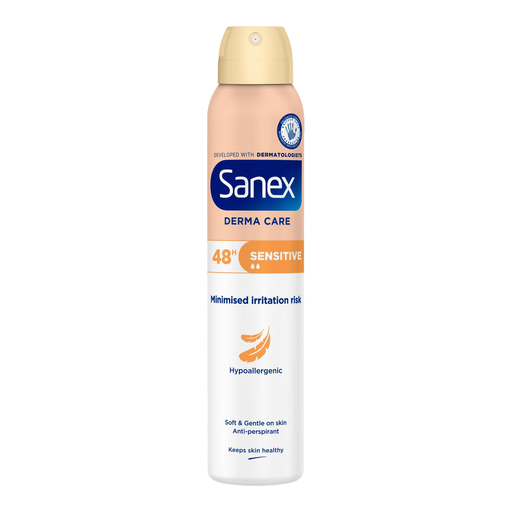
Why This Fits Their Persona: Its stated dermo-sensitive positioning is intended for shoppers who want to minimise fragrance and alcohol-related concerns in a daily spray.
The product description identifies alcohol-free and paraben-free positioning, helping shoppers avoid ingredients they may prefer not to use.
72-hour protection stated, 200ml format and sensitive-skin-focused formula.
Men’s deodorant spray, women’s deodorant spray and unisex options can all be compared using the same practical criteria. Fragrance and pack design may differ, but the active ingredient, duration statement, skin considerations and safety directions remain more important than gendered packaging.
We have compiled a complete, real-time list of products that fully satisfy these strict selection criteria and UK safety regulations.
Many products are designed for daily use when applied as directed. Use only on clean, dry, intact skin and discontinue use if irritation occurs. If your skin is particularly reactive, consider an alcohol-free or sensitive-skin formula and check the full ingredient list.
There is no fixed lifespan because it depends on can size, spray duration and frequency. A 250ml can generally contains more product than a 150ml can, but short, controlled bursts help reduce waste and excess application. Check the packaging for batch, storage and shelf-life information.
The stated duration does not necessarily mean daily reapplication is required for every user. Follow the product directions and consider your routine, showering, exercise and personal comfort. Applying more spray than directed will not automatically provide better protection.