
24/7 Customer Support

Free returns

Same-day & Next-day Delivery

Quality Guaranteed

Unlock Your Welcome Offers: FREE Delivery | Up to 80% OFF | Free 30-day JoyPlus trial
Download the APP
By the Joybuy Product Recommendation Officer
Choosing an antiperspirant deodorant is rarely just about picking a familiar fragrance. UK shoppers also need to compare protection duration, application format, skin comfort, clothing marks and aerosol safety. A low-priced can may appear suitable, yet prove inconvenient if it leaves residue, irritates the underarms or provides deodorising freshness without reducing perspiration.
This guide explains the practical specifications worth checking before purchase, then matches several options to different everyday routines.
A deodorant primarily helps manage body odour through fragrance or odour-neutralising ingredients. An antiperspirant deodorant is designed to combine odour control with an aluminium-based sweat-control ingredient.
This distinction matters. The Old Spice Captain listing, for example, describes a 48-hour deodorant stick and states 0% aluminium, although the supplied ingredient information should always be checked against the packaging before use. It may suit shoppers focused on fragrance and odour protection, but it should not automatically be treated as equivalent to a sweat-control product.
A 48-hour antiperspirant or 72-hour antiperspirant claim refers to the product’s stated protection duration under specified conditions. Results vary according to activity, washing, climate, application quantity and individual perspiration.
For realistic daily use, look at the complete instructions rather than relying on the headline duration. Clean, dry underarms and even coverage are usually more important than applying a large amount.
An invisible deodorant can reduce visible residue, but fabric type, colour, application quantity and dressing before the product dries can still affect transfer. Aerosols, sticks and creams may behave differently on black clothing, white shirts and synthetic sportswear.
If clothing marks are a concern, look for clearly stated white-mark or yellow-stain protection, allow the product to dry fully and avoid overspraying.
Check whether the ingredient list includes an aluminium compound such as aluminium chlorohydrate, aluminium sesquichlorohydrate or an aluminium zirconium compound. These are common active ingredients in antiperspirant products.
If the product is labelled simply as a deodorant, it may focus on fragrance and odour rather than reducing wetness. Neither format is automatically right for everyone; the correct choice depends on whether your priority is sweat and odour protection, fragrance or a lighter everyday feel.
Aerosols are flammable and pressurised. Keep them away from flames, sparks, heat and temperatures above 50°C, and never pierce or burn the can.
An alcohol-free deodorant may be preferable if ethyl alcohol causes a stinging sensation, although “alcohol-free” does not guarantee that every formula will suit sensitive skin. Fragrance allergens can also be present, so read the current ingredient list if you have known sensitivities.
For deodorant for sensitive skin, choose a format that allows controlled application and follow the warning to avoid broken, irritated or freshly shaved skin. Stop use if redness, itching or irritation develops.
The following cards match product features to specific shopping profiles. Product information and ingredients can change, so check the current Joybuy listing and pack label before buying.
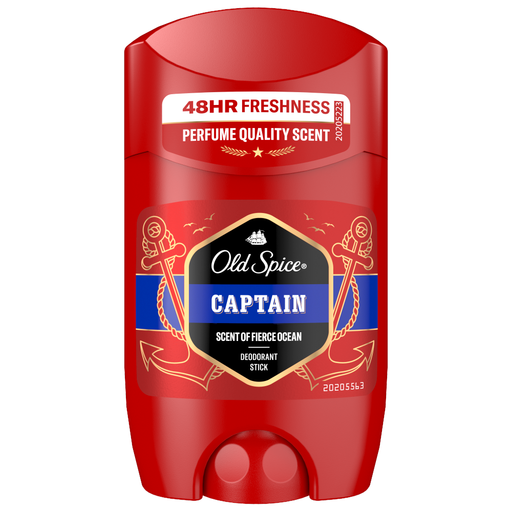
Why This Fits Their Persona: A compact solid stick for shoppers starting a simple daily grooming routine and wanting a distinctive ocean, sandalwood and bergamot fragrance.
Its listing identifies it as a deodorant stick with 0% aluminium, making the distinction between odour freshness and sweat control clear.
Solid 50ml format; smooth application; fragrance-led odour protection.
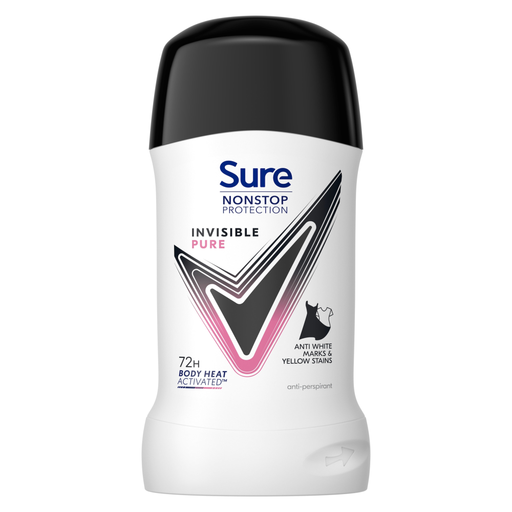
Why This Fits Their Persona: A cream format for shoppers who want targeted application, an alcohol-free formula and clothing-conscious everyday wear.
The listing specifies an alcohol-free cream and invisible application, while the controlled format helps avoid excessive spraying.
50ml cream-stick design; fresh citrus-mint fragrance; stated 72-hour protection.
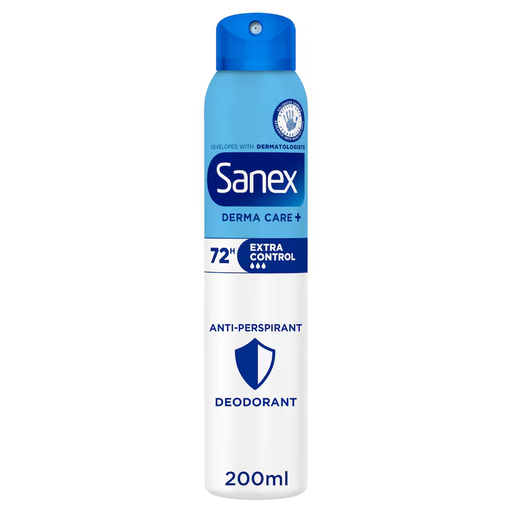
Why This Fits Their Persona: The 200ml spray is aimed at shoppers comparing extended-duration protection for commuting, workouts, travel or warmer UK days.
Its listing separates extra-control positioning from the practical instruction to apply lightly to clean, dry skin and let it dry.
Stated 72-hour duration; spray application; fresh fragrance; aloe vera and glycerin listed in the product information.
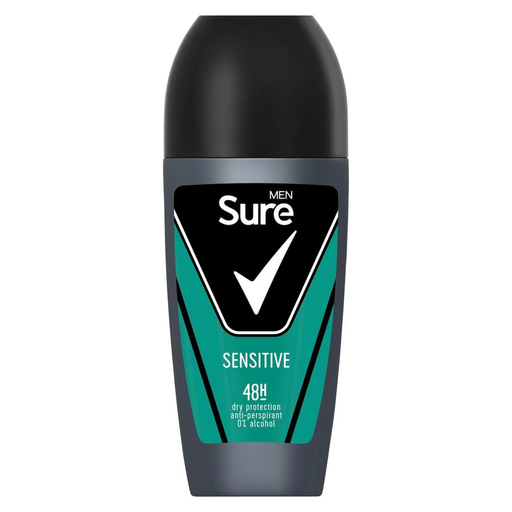
Why This Fits Their Persona: A small roll-on for shoppers who prefer controlled coverage and are looking for an alcohol-free deodorant labelled for sensitive-skin use.
The roll-on reduces airborne application and the listing identifies an alcohol-free formula; it still requires a patch of clean, undamaged skin and drying time.
50ml travel-friendly size; stated 48-hour sweat and odour protection; sandalwood, patchouli and vanilla fragrance.
We have compiled a complete, real-time list of products that fully satisfy these strict selection criteria and UK safety regulations.
Many are designed for daily use when applied as directed. However, suitability depends on the formula and your skin. Avoid applying to damaged or irritated skin, and switch products if persistent discomfort occurs.
The number describes the protection period stated by the manufacturer, not a guaranteed uninterrupted result for every wearer. Washing, heavy exercise and individual perspiration can affect performance. Reapply only according to the product instructions.
Running cost depends on how much you apply and how often you replace the product. Aerosols can offer fast coverage but are easier to overspray. Sticks and roll-ons provide more controlled application, while larger 200ml–250ml cans may offer more product per purchase. Comparing net content and application habits gives a more useful cost comparison than shelf price alone.