
24/7 Customer Support

Free returns

Same-day & Next-day Delivery

Quality Guaranteed

Unlock Your Welcome Offers: FREE Delivery | Up to 80% OFF | Free 30-day JoyPlus trial
Download the APP
Finding a refreshing and appealing apple and blackcurrant drink for the family can feel like navigating a maze of confusing labels and marketing claims. Whether you're packing lunchboxes, stocking the fridge for after-school refreshment, or looking for a low-calorie option for yourself, the choices are vast. However, not all fruit-flavoured drinks are created equal. Many shoppers find themselves disappointed by products that don't meet their expectations for taste, health or value.
As a Joybuy Product Recommendation Officer, my role is to help you see past the hype. Here, we'll break down the common pitfalls to avoid and the key factors to check, ensuring you can confidently choose the right drink for your household's needs.
Before you add that multipack to your basket, be aware of these frequent issues that can lead to buyer's remorse:
low calorie soft drink, it's important for parents to know what they are choosing. Conversely, some drinks contain high levels of natural sugars from juice concentrates, which can be equivalent to full-sugar fizzy drinks.apple and blackcurrant multipack depends on more than just the number of bottles. Smaller, individual portion sizes can drive up the price per litre significantly compared to larger, shareable bottles. Always check the total volume to understand the true cost.To make an informed choice, focus on these three practical details on the product label.
For many families, managing sugar intake is a priority. When you look at the nutritional information, check the "Carbohydrates (of which sugars)" value per 100ml. This figure includes both naturally occurring sugars from fruit and any added sugars. A sugar free fruit drink should list 0g of sugars. If sweeteners are used, they will be clearly listed in the ingredients. This helps you decide between a product sweetened with sugar, one with artificial sweeteners or one with a balance of both.
The ingredients list is your most reliable source of information. It will state the exact percentage of fruit juice from concentrate (e.g., "Apple Juice from Concentrate (6%)"). This simple check allows you to distinguish between a genuine juice-based drink and a flavoured water UK product that primarily uses flavourings to achieve its taste. Neither is inherently better; it depends on what you are looking for—a dose of fruit or simple hydration.
Consider how and when you'll be drinking it.
lunchbox drinks for children. Look for features like sports caps to minimise spills, a common design for a kids juice drink.Based on these practical considerations, here are a few options from our catalogue, matched to different household needs.
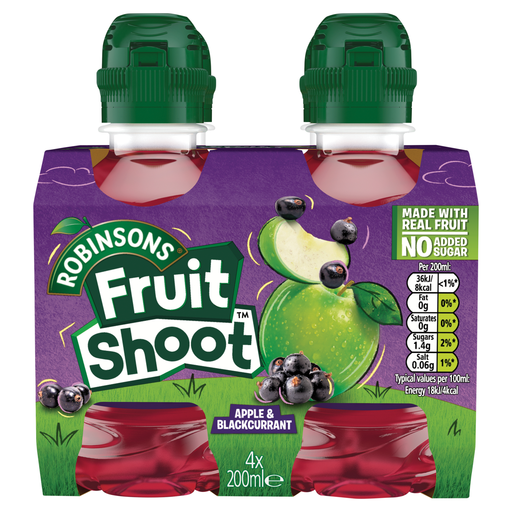
Why This Fits Their Persona: This is a classic choice for active kids. The 200ml bottles are perfectly sized for school bags and the sports cap is designed to prevent leaks, making it a practical and convenient option for parents packing daily lunches or snacks for after-school clubs.
It is clearly marketed as a low-sugar kids' drink made with real fruit, not a pure juice. The packaging is purpose-built for portability, justifying the format and avoiding the "bad value" trap for its specific use case.
Contains no added sugar and is made with real fruit. The resealable sports cap is a key feature for on-the-go hydration without the mess.
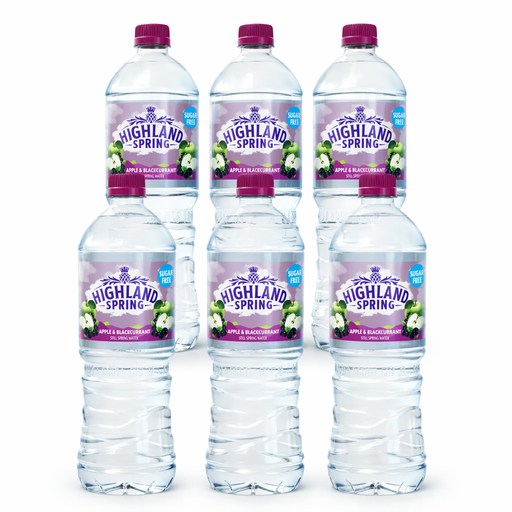
Why This Fits Their Persona: For families looking to provide a flavourful hydration option without the sugar, this is an excellent choice. The large 1.25L bottles are great value for home consumption, and the multipack format is ideal for the weekly shop, ensuring the fridge is always stocked.
This product is transparently a flavoured water, not a juice drink. It directly counters the "hidden sugar" pitfall by containing zero sugar and just 1 kcal per 100ml, making it a straightforward choice for health-aware shoppers.
It's a zero-sugar, zero-calorie drink based on natural Scottish spring water. The large format multipack offers great household value.
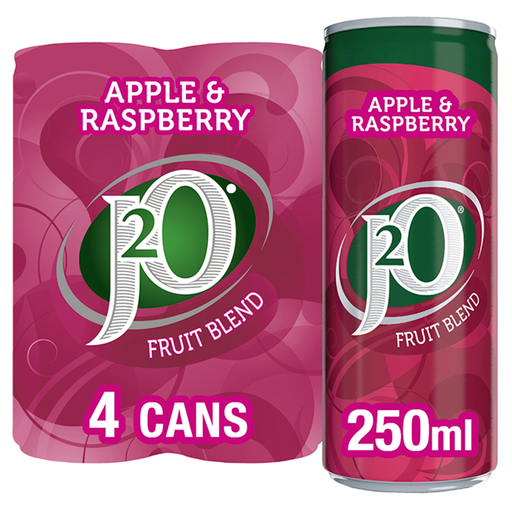
Why This Fits Their Persona: This is a popular choice for adult soft drinks, serving as a reliable non-alcoholic option at parties, barbecues or as a weekend treat. The apple and raspberry blend offers a more complex flavour profile, and the can format is convenient for serving to guests.
It is positioned as a blended fruit drink for social enjoyment, not a health-focused or children's drink. This manages expectations regarding its sugar content, which is part of its role as a treat-style beverage.
A well-balanced fruit blend with a high percentage of juice from concentrate (25%). The can multipack is easy to store and chill for gatherings.
We have compiled a complete, real-time list of products that fully satisfy these strict selection criteria and UK safety regulations.
1. What is the difference between an apple and blackcurrant 'juice drink' and 'flavoured water'? A 'juice drink' must contain a certain percentage of fruit juice, though it can vary. It's often a mix of juice, water and sweeteners or sugar. A 'flavoured water' is primarily water with added natural or artificial flavourings to give it a fruity taste. It typically contains little to no actual fruit juice and is often a zero or low-calorie option.
2. Are sugar-free apple and blackcurrant drinks suitable for toddlers? Many sugar-free drinks are suitable for children, but it's always important to check the packaging for specific age recommendations. For example, some products like Robinsons Fruit Shoot carry a warning that the cap can be a choking risk for children under 36 months. Always check the label for guidance.
3. How can I get the best value when buying an apple and blackcurrant multipack? To find the best value, look beyond the sticker price and calculate the price per litre or per 100ml. This is usually displayed on the shelf label in supermarkets and is a standard way to compare the true cost of different pack sizes and formats. A large bottle bought as part of a multipack will almost always be cheaper per litre than a pack of small, individual bottles.