Seasonal apple preservers
If you freeze several batches during apple season, allow space for labelled portions alongside your other frozen food. GOV.UK advises cooling cooked food and dividing it into smaller portions before freezing.


Choose a freezer by the amount of cooled, portioned compote you need to store, the space available and whether the appliance will stand in a kitchen or an unheated outbuilding. Check that the containers fit and that the freezer can be used at the intended storage temperature; frost-free operation and a suitable low-ambient rating matter only where those conditions affect your choice.
If you freeze several batches during apple season, allow space for labelled portions alongside your other frozen food. GOV.UK advises cooling cooked food and dividing it into smaller portions before freezing.
If you mainly store portions to defrost later, check the appliance’s external dimensions and whether your containers will fit its compartments. Freezer ranges generally distinguish compact undercounter models from larger upright formats.
If extra freezer space will be outside a heated kitchen, check the selected model’s permitted ambient-temperature range. Beko’s low-temperature claims, for example, apply to qualifying models rather than every freezer or fridge-freezer.
Work out how many cooled portions you will store, then compare the compartment layout and installation space. Check temperature guidance and any outbuilding requirements before treating convenience features as deciding factors.
| Concern | What to check | Who this matters to |
|---|---|---|
| Cooling and storage temperature | Plan for smaller portions that can cool before freezing. Check the model’s temperature controls and instructions for storage around −18°C, as advised by GOV.UK for household freezers. | When I freeze a fresh batch, I want to cool it in manageable portions and store it at the intended freezer temperature. Around 30% of consumers put this handling and temperature need first. |
| Capacity and organisation | Compare usable litres and compartment dimensions with your usual containers; consider how you will label and retrieve older portions. | If seasonal batches must share space with everyday food, I need room to keep the portions organised. Around 30% of consumers make capacity and organisation their primary concern. |
| Fit and installation | Measure the available height, width and depth. For an integrated replacement, check the housing and fixed-or-sliding door-hinge arrangement. | In a small or fitted kitchen, I need the freezer to fit the space and, if integrated, the existing cabinetry. This is the leading need for around 20% of consumers. |
| Defrosting | Check whether the exact model is frost-free, low-frost or manually defrosted; these descriptions are not interchangeable. | If I want easier access to stored portions without routine manual defrosting, the model’s defrost system matters. Around 10% of consumers put reduced defrosting work first. |
| Outbuilding placement | Match the model’s stated minimum ambient operating temperature to the intended location; do not confuse ambient temperature with the temperature inside the freezer. | For storage in an unheated garage, I need an appliance rated for the temperatures that location may reach. Around 10% of consumers treat low-ambient suitability as their primary need. |
Warm food can raise the temperature inside the appliance. GOV.UK household guidance advises cooling warm dishes and dividing food into smaller portions before freezing.
Cool the compote, portion and label it, then freeze it as soon as practical. Choose containers that will fit the intended drawer or basket.
Headline capacity does not tell you whether your containers fit a drawer, or whether the freezer fits its installation space.
Measure both the space and the containers you normally use. For an integrated replacement, check the housing dimensions and door-hinge system too.
Beko warns that some freezers or fridge-freezers can stop functioning below 0°C. Its Freezer Guard low-ambient claims apply to qualifying models, not to all appliances.
Check the selected model’s ambient-temperature range against the intended location. Do not assume a claim about a freezer also covers a fridge-freezer’s fridge compartment.
If an appliance cannot keep food frozen in that location, stored batches may be lost.
Capacity, installation fit and defrosting needs should be considered alongside the exact appliance’s energy information, rather than judging models by format alone.
Compare the energy label and product information sheet for the models you are considering, then check their dimensions and features separately.
Relevant when comparing tall and chest freezers, particularly for a location that needs a documented low-ambient operating range.
Relevant when considering frost-free models in freestanding, integrated or undercounter formats.
Relevant when comparing freestanding, integrated, undercounter and chest-freezer formats.
These Joybuy choices cover built-under and integrated kitchen placement, a freestanding tall freezer and chest freezers for larger batches. Compare each model’s fit and documentation with the space and portions you plan to use.
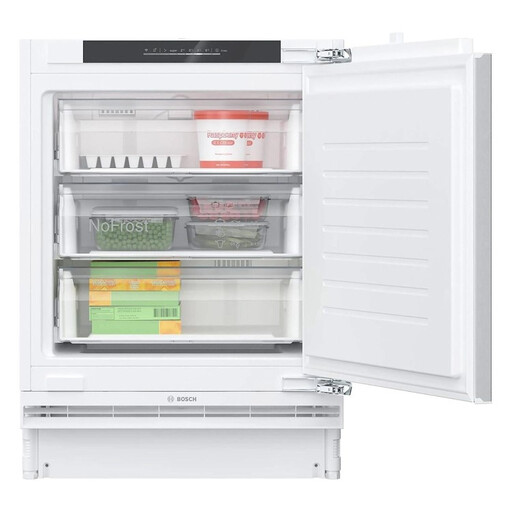 No image available
Consider this built-under model where kitchen placement and reduced manual defrosting matter. It is listed with No Frost and an E energy rating; check furniture-door fit, ventilation requirements and the model’s temperature instructions before choosing it.
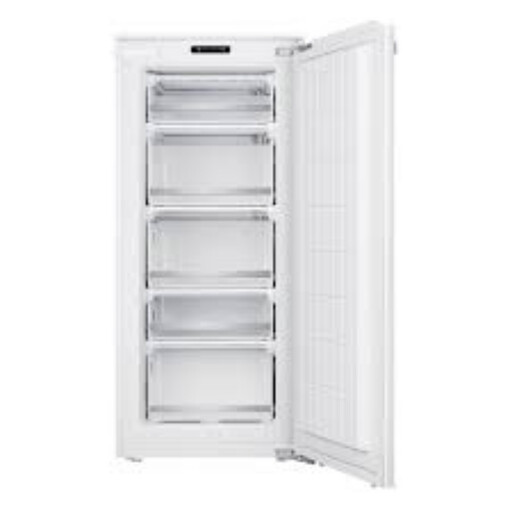 No image available
This integrated format is worth considering when the freezer must sit in a fitted kitchen. Check the housing dimensions and door compatibility, as well as the model’s temperature information, before selecting it for cooled compote.
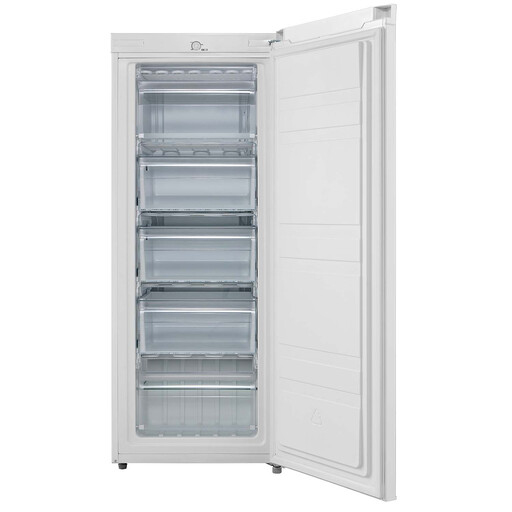 No image available
Consider this freestanding tall model if you want to separate recurring batches from other frozen food. Its name specifies an adjustable thermostat, reversible door, four-star freezing and an E energy rating; check its external dimensions and defrost system for your installation and upkeep needs.
 No image available
The 297L chest format is an option for larger seasonal batches where floor space and lid access are available. Manual defrosting is specified; for an unheated location, confirm the exact model’s ambient operating range separately from its internal storage-temperature guidance.
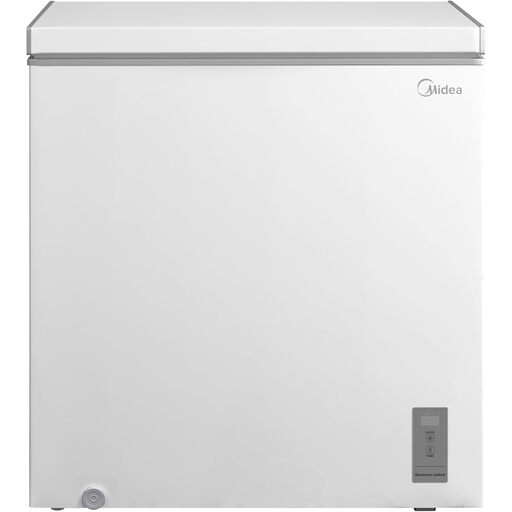 No image available
This 198L chest model is an option for batch storage if you have floor space and clearance to open its lid. It is listed with an E energy rating; check its defrost system and internal temperature guidance, and confirm the ambient rating if it will stand in a cold utility space.
For household frozen-food storage, GOV.UK advises keeping a freezer around −18°C. Follow the selected appliance’s instructions for setting and checking its temperature; the cited household guidance applies to England, Northern Ireland and Wales.
Cool it before freezing. GOV.UK advises dividing warm food into smaller portions so it cools more quickly, then freezing homemade food as soon as practical; portioning also lets you defrost only the amount you need.
Compare the energy labels and product information sheets for the exact models you are considering. UK government energy-labelling guidance covers products within its scope; also check each freezer’s capacity and dimensions so the comparison reflects appliances that meet your storage and installation needs.
Do not assume a freezer is suitable for an unheated garage. Beko says some appliances can stop functioning below 0°C and gives an operating range down to −15°C for qualifying Freezer Guard models. Check the chosen model’s own ambient-temperature range, and check fridge and freezer compartments separately if considering a fridge-freezer.