Hosts comparing sugar per glass
A no-added-sugar juice drink or prepared squash may fit if the stated sugar figure matters more to you than serving 100% juice. Check the serving size as well as the figure: these formats can contain sweeteners.


Choose a no-added-sugar juice drink if you want a ready-to-pour option with a lower stated sugar figure per glass, or squash if you are happy to dilute a concentrate. Choose 100% apple juice when an all-juice drink matters more: no added sugar does not mean little sugar in the finished glass. Check sweeteners, sulphites, serving size and the storage instructions on the pack you buy.
The useful distinction for a party is whether guests want less stated sugar in their glass, 100% juice, or a drink that accommodates particular ingredient preferences.
A no-added-sugar juice drink or prepared squash may fit if the stated sugar figure matters more to you than serving 100% juice. Check the serving size as well as the figure: these formats can contain sweeteners.
Choose this route for guests who prefer an all-juice drink without sweeteners listed in its ingredients. Read the nutrition panel rather than assuming that no added sugar means a low total sugar figure.
A communal jug or drinks station makes clear identification useful. Check the current pack for sweeteners and sulphites, particularly if a guest has a sulphite sensitivity, and keep different drinks clearly labelled.
Decide on the drink format first, then compare nutrition for the drink as it will be served. Concentrated squash, ready-to-pour juice drinks and 100% juice are not interchangeable.
Choose when: You want to open and serve an apple-flavoured drink without mixing it.
Trade-off: It is a juice drink, not 100% apple juice; Tesco’s no-added-sugar example contains sucralose.
Choose when: You can prepare diluted drinks for a serving station rather than pour straight from the pack.
Trade-off: Dilution is part of serving it. Sainsbury’s no-added-sugar example also lists sucralose and sulphites.
Choose when: Guests prefer juice rather than a sweetened juice drink or squash.
Trade-off: An all-juice ingredient list does not make the total sugar figure low; Tropicana Orchard Apple lists 15g sugars per 150ml.
| Priority | What to check | Your needs |
|---|---|---|
| Sugars per glass | Compare sugars for the amount you intend to pour, using figures for ready-to-drink products or correctly prepared squash. Tesco Groceries lists 3.1g per 150ml for its no-added-sugar juice drink; Tropicana lists 15g per 150ml for Orchard Apple juice. | I want to know the sugar figure for the glass I will actually serve, not rely on the words “no added sugar”. |
| Drink format | Check whether the pack says juice drink, concentrated squash or 100% juice. Tesco Groceries lists 20% apple juice from concentrate in its drink; Sainsbury’s describes its squash as concentrated with 50% apple juice from concentrate. | A ready-to-pour drink saves mixing at the party. If I set up a squash station, guests need to know that the concentrate must be diluted. |
| Ingredients | Read the exact pack’s sweetener and sulphite declarations. Tesco’s drink and Sainsbury’s squash list sucralose; the Sainsbury’s squash also lists sodium metabisulphite (sulphites). | I want guests to be able to identify what is in each drink, especially if someone avoids sweeteners or has a sulphite sensitivity. |
| Juice portions | Check the volume of the glass or can. NHS guidance says children and adults should have no more than 150ml of fruit juice and smoothies combined each day, preferably with meals. | For guests choosing 100% juice, I would offer a smaller pour rather than assume a large glass is equivalent to a small serving. |
| Storage and supply | Follow the bought pack’s chilling and after-opening instructions. Sainsbury’s lists refrigeration at 0–8°C and use within four days of opening for innocent Pure Apple Juice; check availability before relying on a particular product. | If I buy drinks ahead, I need somewhere suitable to store them and enough time to obtain another option if my chosen pack is unavailable. |
Juice can contain sugars even when none have been added. Tropicana lists 15g sugars per 150ml of Orchard Apple, and the NHS counts sugars released during juicing as free sugars.
Compare the nutrition panels for the amount you plan to serve, then decide whether lower stated sugar or 100% juice is the more important condition.
Sainsbury’s Apple High Juice Squash is a concentrate; its prepared-drink nutrition figure does not describe a glass of undiluted squash.
Follow the pack’s dilution instructions and identify the prepared drink as squash at the serving station.
The Tesco juice drink and Sainsbury’s squash list sucralose, while the squash also lists sodium metabisulphite (sulphites). Guests cannot check a decanted drink’s pack unless you make it identifiable.
Read the current ingredient list and label jugs or dispensers with the product served.
Tesco Groceries marked its No Added Sugar Apple Juice Drink 1L as out of stock on the product page. A listing is not a guarantee that the drink will be available when you shop.
Check availability near the time of purchase and choose a backup by its format, ingredients and nutrition panel rather than assuming another apple drink is identical.
These named products illustrate distinct apple-drink formats and label details; a brand name alone does not establish the ingredients of every product it sells.
Tesco No Added Sugar Apple Juice Drink is a ready-to-pour juice drink rather than 100% apple juice.
Sainsbury’s Apple High Juice Squash, No Added Sugar is a concentrate for prepared drinks.
Tropicana Orchard Apple represents the 100% pressed-juice option rather than a juice drink or squash.
Copella Cloudy Apple Fruit Juice is a cloudy-juice option shown in Sainsbury’s apple-juice listings.
innocent Pure Apple Juice is another 100% juice example for guests who want juice rather than a sweetened squash.
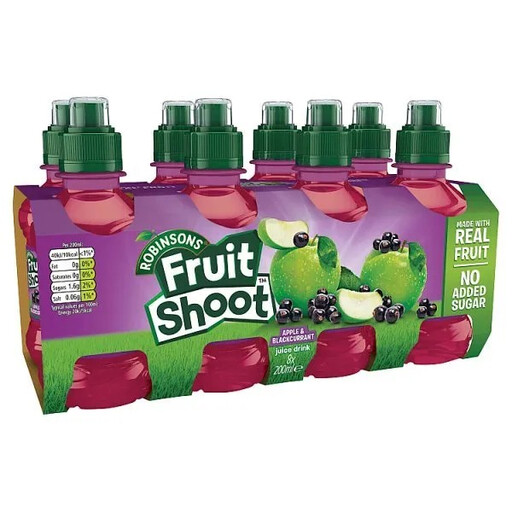
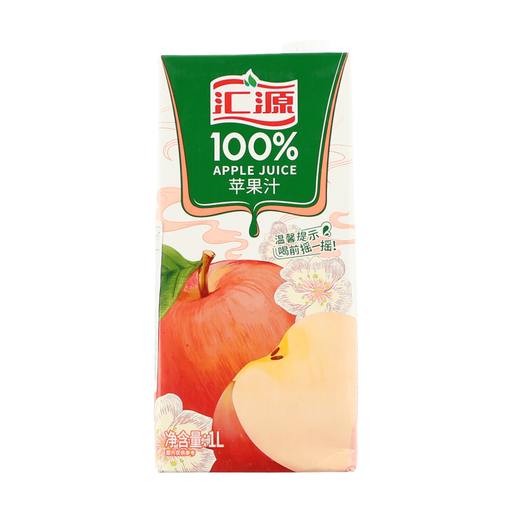
These options cover individual apple-and-blackcurrant drinks, sparkling apple juice in cans and a larger apple-juice pack. Choose by the drink guests want, then check each pack’s sugar, ingredients and serving instructions.
 No image available
The individual bottles suit a ready-to-serve drinks table, but this is an apple-and-blackcurrant drink rather than plain apple juice. Check the current pack’s ingredients and sugars per bottle; its cap warning says the small parts are unsuitable for children under 36 months.
 No image available
For guests who prefer apple juice with bubbles, this six-can pack provides individual 250ml servings. Check the current pack for its sugar figure and any no-added-sugar wording. Each can is larger than the NHS guidance of no more than 150ml of fruit juice and smoothies combined per day.
 No image available
The 1L pack can be poured into separate glasses for a shared drinks table. Check its current ingredients, sugars per serving and after-opening storage instructions before buying ahead for the party; no-added-sugar wording alone would not establish a low total sugar figure.
No. The finished drink can still contain sugars from apple juice. Tropicana UK lists 15g sugars per 150ml of Orchard Apple, while the NHS identifies sugars released through juicing as free sugars. Use the nutrition panel and the amount you intend to pour to compare drinks.
Choose a ready-to-pour juice drink when convenience and a lower stated sugar figure are priorities; choose squash when you can dilute a concentrate; choose 100% juice when guests prefer an all-juice drink. Compare the particular packs’ sugar figures and ingredients before treating one format as a substitute for another.
The NHS advises children and adults to have no more than 150ml of fruit juice and smoothies combined each day, preferably with meals. A smaller glass makes that volume easier to recognise at a party; water can be offered alongside it.
Check each current pack for sweeteners and sulphites. Tesco’s No Added Sugar Apple Juice Drink lists sucralose, and Sainsbury’s Apple High Juice Squash lists both sucralose and sodium metabisulphite (sulphites). Keep the product identifiable if you transfer it to a jug.
Yes, if you can follow the storage and after-opening instructions on the packs you choose. For example, Sainsbury’s listing for innocent Pure Apple Juice specifies refrigeration at 0–8°C and use within four days of opening. Check availability when shopping rather than relying on a listing alone.