Shoppers comparing labelled sugars
If the sugar figure drives your choice, compare drinks using the same volume. Check whether a lower-sugar option is a juice blend or a juice drink, and whether it contains sweeteners.


Choose 100% apple juice if you want juice itself and can have a measured portion with food. If labelled sugars matter more, an apple juice blend or juice drink may have a lower figure, but check the juice percentage and sweeteners: “no added sugar” does not mean sugar-free. NHS guidance limits fruit juice and smoothies together to 150ml a day and recommends having them with meals; a drink alone is not a complete night-shift snack.
If the sugar figure drives your choice, compare drinks using the same volume. Check whether a lower-sugar option is a juice blend or a juice drink, and whether it contains sweeteners.
If 100% juice is the priority, plan a measured portion to have with food rather than treating a large bottle as a drink to sip throughout the shift. NHS guidance sets a combined daily limit of 150ml for fruit juice and smoothies.
Choose the drink alongside the food you plan to bring or buy, rather than using it as the whole snack. The Health and Safety Executive highlights regular meals in its guidance for shift workers.
Decide whether you want pure juice or an apple-flavoured alternative, then compare the sugar figures on the same volume and check the portion you will actually drink.
| Priority | What to check | Your needs |
|---|---|---|
| Labelled sugars | Compare “of which sugars” per 100ml or on the same 150ml basis. ASDA Groceries lists 15g per 150ml for Tropicana Pressed Apple, 11g for Tropicana Fresh & Light Apple Juice Blend Drink and 1.8g for its Apple & Pear Juice Drink carton. | I want to see the sugar difference without assuming that “no added sugar” means zero sugar. |
| Juice and sweeteners | Read the product name and ingredients: the ASDA Groceries listings describe Tropicana Fresh & Light as containing 50% apple juice, while the ASDA Apple & Pear Juice Drink contains 6% apple juice and lists sucralose. | I want to know how much of the drink is juice and whether a sweetener is part of the trade-off. |
| Portion and timing | Check the pack volume and number of servings. NHS guidance limits fruit juice and smoothies together to 150ml a day and recommends having them with meals. | A bottle may last several breaks; I would rather plan a portion than drink from it throughout a shift. |
| Food alongside the drink | Plan what you will eat as well as drink. The Health and Safety Executive’s shift-worker guidance emphasises a good diet and regular meals. | I need something to eat on my break, not just an apple-flavoured drink. |
The phrases mean different things. ASDA Groceries lists 15g sugars per 150ml for Tropicana Pressed Apple, while its Apple & Pear Juice Drink lists 1.8g per 150ml but contains much less juice and uses sucralose.
Compare the sugar figures at the same volume, then read the ingredients and product name to distinguish juice from a blend or juice drink.
A large bottle makes it easy to lose track of how much juice you have poured. NHS guidance limits fruit juice and smoothies together to 150ml a day and recommends having them with meals.
Measure a portion before your break, or check the volume of an individual pack rather than assuming it contains one 150ml serving.
Apple drinks do not take the place of a planned food break. The Health and Safety Executive highlights regular meals in its guidance for shift workers.
Decide what food to take with the drink before choosing a bottle or carton for your shift.
These examples illustrate differences between listed products; check the current pack when a particular sugar figure, ingredient or serving size matters to your choice.
Its pressed apple juice and Fresh & Light blend show why the product type matters as much as the front-of-pack wording.
Copella Cloudy Apple Juice is an option to consider if you want cloudy juice in a multi-serve bottle.
Its listings include pure apple juice and an apple-and-pear juice drink, which are different choices despite sharing apple in the name.
Its own-label range offers both 100% pressed apple juice and pure apple juice listings.
Its Cloudy Apple Juice is a not-from-concentrate option for shoppers who prefer that style of juice.
These options include sparkling apple juice and apple-flavoured drinks. Check the product type before treating any of them as interchangeable with still, 100% apple juice.
 No image available
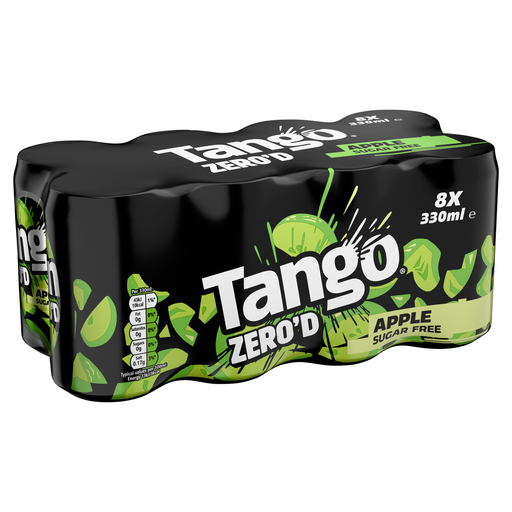
Consider this if you want an apple-flavoured canned drink rather than pure juice. It is a carbonated soft drink containing sweeteners; check the pack if juice content is important to you.
 No image available
This is the pure-apple-juice option in the selection, with a lightly sparkling format. Each 250ml serving is larger than the NHS’s combined 150ml daily limit for fruit juice and smoothies, so measure what you pour and have juice with food.
 No image available
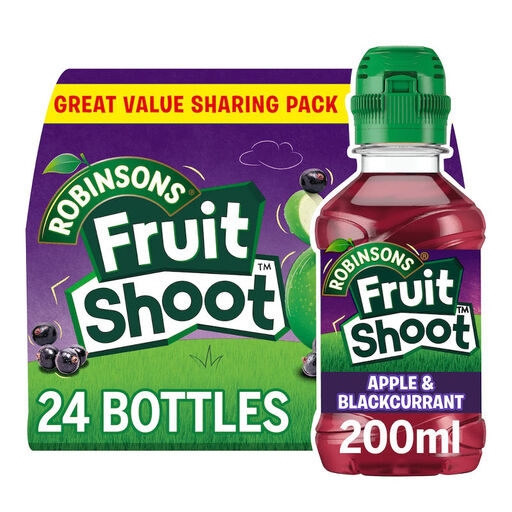
Individual bottles may suit a planned break if you want an apple-and-blackcurrant fruit drink. This is not pure apple juice and it contains sweeteners; compare its current label with juice if sugar content or juice percentage determines your choice.
No. ASDA Groceries lists 15g sugars per 150ml for Tropicana Pressed Apple despite its no-added-sugar statement. Its Apple & Pear Juice Drink lists 1.8g per 150ml and contains sucralose, but that figure is not zero. Read the nutrition panel as well as the claim.
NHS guidance limits fruit juice and smoothies together to 150ml a day and recommends having them with meals. Check the pack volume and measure a portion rather than assuming an individual bottle or can contains 150ml.
Plan food as well as a drink for your break. The Health and Safety Executive’s guidance for shift workers highlights a good diet and regular meals; choosing a juice, blend or juice drink does not by itself make a complete snack.