Desk-lunch juice drinkers
A small glass of juice may fit lunch, but a portable bottle can hold more than one serving. Pack size matters if you intend to drink it all at once.


Choose 100% apple juice if you want an apple-only drink and can measure a 150ml glass with lunch, in line with NHS guidance. If total sugars matter more than pure juice, compare the serving labels on no-added-sugar juice drinks and squash; check fruit content, sweeteners and whether the drink needs diluting. “No added sugar” does not mean sugar-free.
For a quick desk lunch, the useful distinction is whether you want pure juice, a ready-to-drink fruit blend or a drink you can dilute.
A small glass of juice may fit lunch, but a portable bottle can hold more than one serving. Pack size matters if you intend to drink it all at once.
If the no-added-sugar wording caught your eye, compare “of which sugars” for the amount you will drink. A juice drink may contain water and sweeteners rather than being 100% fruit juice.
A ready-to-drink pack needs no preparation. Squash is another option if you have water available and are happy to dilute it as directed.
Decide whether you want pure apple juice or an apple-containing alternative, then compare sugars for the serving you will actually drink. NHS guidance is to limit fruit juice and smoothies to one 150ml glass a day and have it with a meal.
Choose it when: You want apple juice rather than a blended juice drink and can measure a glass with lunch.
Bear in mind: No added sugar does not remove the sugars naturally present in juice.
Choose it when: You want a ready-to-drink apple-containing option and are comparing its total sugars with those of juice.
Bear in mind: The Sainsbury’s Apple & Pear example contains sweeteners and is not 100% apple juice, according to Sainsbury’s product information.
Choose it when: You have water at your desk and want to prepare a diluted apple drink.
Bear in mind: Squash is concentrate, not a ready-to-drink juice; follow the dilution instructions when comparing servings.
| Priority | What to check | Your needs |
|---|---|---|
| Total sugars | Read “of which sugars” for the amount you plan to drink. Compare like-sized servings where possible; “no added sugar” does not mean sugar-free. | I want to know how much sugar is in my drink, not just whether sugar was added. |
| Juice portion | Check bottle size and servings per pack. NHS guidance limits fruit juice and smoothies to 150ml a day with a meal; Tesco lists its 300ml Copella bottle as two servings. | A whole bottle might be more juice than I intended to have with lunch. |
| Fruit content | Check whether the label says 100% juice, juice drink or squash. Read the fruit percentage and ingredients for blends or diluted drinks. | Pure apple juice matters to me more than an apple-and-pear drink, or I am happy with a blend. |
| Preparation | Check whether the pack is ready to drink or concentrated. For squash, follow the label’s dilution directions; NHS advice is to dilute squash or cordial well. | With little time at my desk, I may prefer a drink I can open immediately. |
| Ingredients | Read the ingredients and allergen information if particular sweeteners or sulphites matter to you. Formulations differ between juice drinks and squash. | I want to check what is in this particular pack before choosing it. |
Fruit juice can contain naturally occurring sugars even when none has been added. The front-of-pack wording alone does not tell you the total sugars in your serving.
Compare the “of which sugars” figure and serving size, then check whether the product is pure juice or a juice drink.
According to the NHS, fruit juice and smoothies should be limited to one 150ml glass a day and drunk with a meal. Tesco lists its 300ml Copella bottle as two servings.
If you choose juice for lunch, check the bottle size and pour the amount you intend to drink.
The Sainsbury’s Apple High Juice Squash is a concentrate, according to Sainsbury’s product description. It needs preparing rather than drinking straight from the bottle.
Choose a ready-to-drink format if you will not have water available; otherwise, check the squash’s dilution instructions.
Sainsbury’s describes its no-added-sugar Apple & Pear Juice Drink as containing sweeteners. Other apple-drink formulations need their own ingredient checks.
Read the label for sweeteners and any allergens relevant to you, including sulphites where listed.
These examples illustrate different apple-drink formats; check the particular product label rather than assuming every drink from a brand has the same ingredients.
Tropicana describes its Orchard Apple product as 100% pressed apple juice, not from concentrate.
Copella Cloudy Apple is a pressed apple-juice option offered in a portable 300ml bottle.
Tesco’s Copella 300ml product page provides an example of why pack size and stated servings should be read together.
Sainsbury’s product descriptions show two alternatives to pure apple juice: a no-added-sugar Apple & Pear Juice Drink and a concentrated Apple High Juice Squash.
M&S describes its 200ml Apple Juice as cloudy pressed apple juice.
For a quick desk lunch, these options include ready-to-drink apple-containing blends and a sparkling 100% apple juice. Check the pack size against the amount you intend to drink.
 No image available
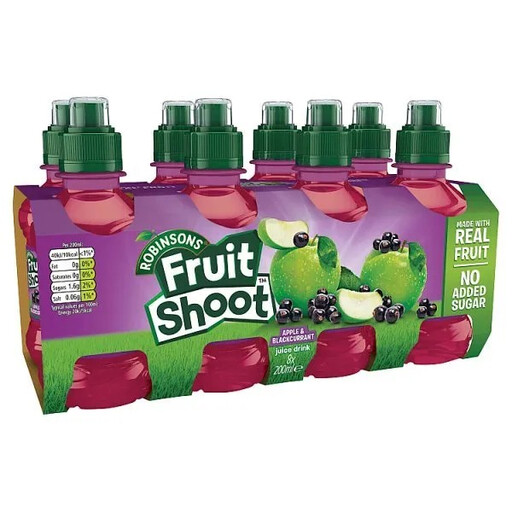
Eight individual 200ml bottles offer a ready-to-drink apple-and-blackcurrant choice for lunch, rather than pure apple juice. Check the pack’s sugars and sweetener information if either affects your choice.
 No image available
This sparkling apple-juice option comes in 250ml cans. Each can is larger than the NHS-advised 150ml daily glass of fruit juice, so consider how much you intend to pour with lunch.
 No image available
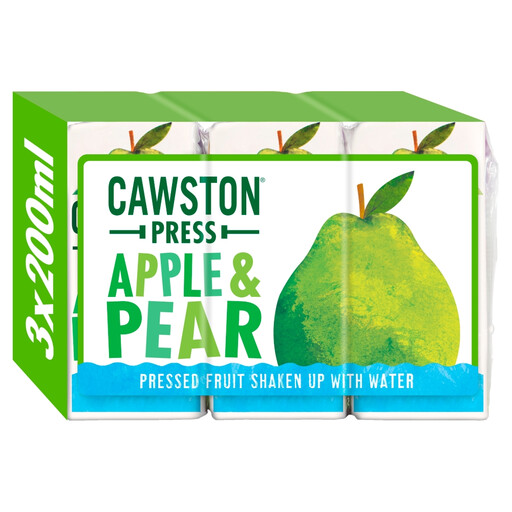
Three 200ml cartons provide a ready-to-drink apple-and-pear option for lunch. It is a fruit-water blend rather than 100% apple juice; compare the sugars on its label if total sugars are your deciding factor.
No. Apple juice can contain sugars naturally present in the fruit, even when no sugar has been added. Compare “of which sugars” for the serving you will drink, and check whether the product is 100% juice or a juice drink containing other ingredients.
NHS guidance is to limit fruit juice and smoothies to one small 150ml glass a day and have it with a meal. Check the pack size before treating a whole bottle as one serving: Tesco lists its 300ml Copella bottle as two servings.
Not if it is a concentrated squash such as Sainsbury’s Apple High Juice Squash. Follow that product’s dilution instructions; NHS guidance also says to dilute squash or cordial well.
Follow the storage and use-after-opening instructions on the particular pack. If you plan to drink only part of a larger bottle with lunch, check those instructions before saving the rest.