Who is each drink for?
The useful distinction is between wanting apple juice itself and wanting an apple-flavoured drink with a lower declared sugar figure.
Picnic planners comparing sugars
If the drink’s declared sugars and calories matter to your lunch plans, compare juice drinks and prepared squashes per 100ml. Check the ingredients too: a lower figure may come from a drink containing water, less fruit juice and sweeteners, rather than from 100% juice.
People who want 100% apple juice
If you want juice rather than a formulated apple-flavoured drink, check that the product is labelled 100% juice and plan the amount you will pour. The NHS counts sugars in unsweetened fruit juice as free sugars and advises a combined daily limit of 150ml for juice and smoothies.
Families packing drinks outdoors
Pack size and storage can matter as much as drink type. Some products can be stored cool and dry before opening, while M&S says its Pressed Pink Lady Apple Juice must be kept refrigerated at 0°C to +5°C. Read the instructions for the exact pack you intend to take.
What should you compare?
Choose the type of drink first, then compare nutrition on the same prepared-drink volume and check whether the pack suits your picnic.
No-added-sugar juice drink
Choose it when: Lower declared sugars matter more to you than drinking pure juice.
Bear in mind: Tesco’s apple juice drink lists water, 20% apple juice from concentrate and sucralose; it is not 100% juice.
100% apple juice
Choose it when: You specifically want juice rather than a juice drink or squash.
Bear in mind: Its naturally occurring juice sugars still count as free sugars under NHS guidance, so plan the serving rather than treating a large bottle as one drink.
Diluted apple squash
Choose it when: You want to prepare an apple-flavoured drink with water instead of serving juice.
Bear in mind: Compare nutrition for the prepared drink and check the concentrate’s ingredients, including sweeteners and sulphites where listed.
| Priority |
What to check |
Your needs |
| Sugars and calories |
Compare sugars and energy per 100ml on the same basis. For squash, use the prepared-drink figures and follow its dilution directions. |
I want an apple-flavoured drink with a lower declared sugar figure, rather than choosing by the words on the front of the pack alone. |
| Drink type |
Read the product description, fruit-juice percentage and ingredients. A no-added-sugar claim does not mean zero sugars or 100% juice. |
If I want apple juice itself, a juice drink containing water or a squash made with sweeteners is a different choice. |
| Juice portion |
For 100% juice, check the pack’s serving volume. The NHS advises limiting fruit juice and smoothies together to 150ml a day and having juice with a meal. |
With pure juice at lunch, I would rather plan a measured serving than pour freely from a large bottle. |
| Picnic storage |
Check unopened storage, any refrigeration requirement and the instructions after opening. Check bottle or can size against the amount each person intends to drink. |
I need a pack that can be carried and served according to its own instructions, especially if there is no cool bag. |
Which brands have relevant options?
These examples show how much the product description and storage instructions can differ, even among drinks sold with apple in the name. Check the exact variant rather than applying one product’s details to a whole brand.
Tropicana
Tropicana describes Orchard Apple as 100% pressed apple juice, not from concentrate.
- A reference point if you specifically want a 100% pressed juice.
- No added sugar does not remove the naturally occurring juice sugars that the NHS counts as free sugars.
Copella
Copella Cloudy Apple is a pressed apple-juice option for those who prefer cloudy juice.
- Copella lists 10g sugars per 100ml for Cloudy Apple, making the nutrition panel useful when planning a serving.
- Check the size of the exact bottle; a whole bottle need not correspond to a 150ml juice serving.
Tesco
Tesco No Added Sugar Apple Juice Drink is a juice drink rather than pure apple juice.
- Tesco lists 20% apple juice from concentrate and sucralose, so the ingredients make its format clear.
- Check the nutrition panel and stock for the exact product instead of assuming “no added sugar” means sugar-free.
Sainsbury's
Sainsbury’s has both a no-added-sugar apple-and-pear juice drink and a concentrated apple squash.
- The apple-and-pear drink lists 20% apple juice and 5% pear juice from concentrate; the squash is a separate product to dilute.
- Check sweeteners on either product and sulphites on the exact squash label.
Asda
Asda Apple Juice is presented as a pressed apple juice rather than a reduced-sugar juice drink.
- Asda lists apple juice and ascorbic acid in this product’s ingredients.
- Choose it for the juice format, not on the assumption that pure juice has little sugar.
M&S
M&S Pressed Pink Lady Apple Juice and M&S Apple Juice cartons have different storage instructions.
- The cartons listed through Ocado are described as apple juice from concentrate that can be stored cool and dry before opening.
- Marks & Spencer says Pressed Pink Lady Apple Juice must be kept refrigerated at 0°C to +5°C; check which product you are packing.
Apple drinks on Joybuy
These options include apple-flavoured soft drinks, an apple-and-blackcurrant drink and apple juices. They suit different sides of the picnic decision: check the exact label if you want lower declared sugars, and distinguish a juice portion from a full can or bottle.
 No image available
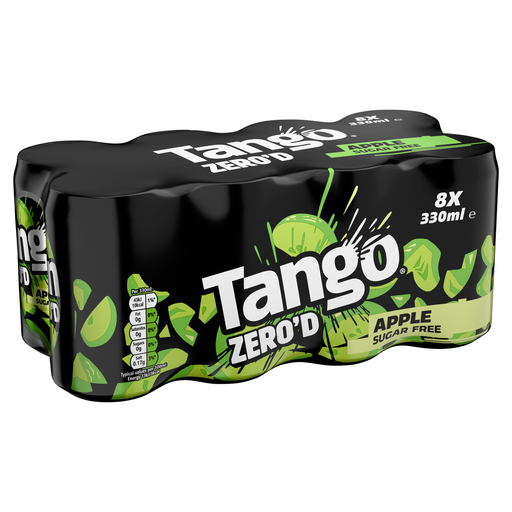
Tango Sugar Free Apple 8 × 330ml
An eight-can apple-flavoured option if you want a sugar-free soft drink rather than apple juice. Check the ingredients and nutrition panel on the exact pack if fruit-juice content or sweeteners affect your choice.
View on Joybuy
 No image available
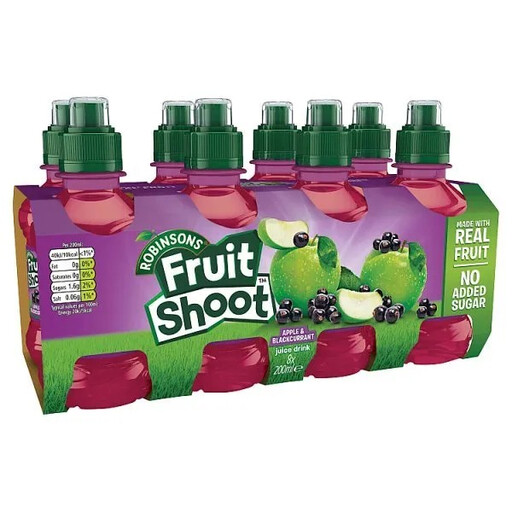
Fruit Shoot Black & Apple No Added Sugar 8 × 200ml
Individual 200ml bottles offer an apple-and-blackcurrant drink rather than pure apple juice. Check the unopened-storage instructions before an unrefrigerated picnic, and heed the cap choking warning for children under 36 months.
View on Joybuy
 No image available
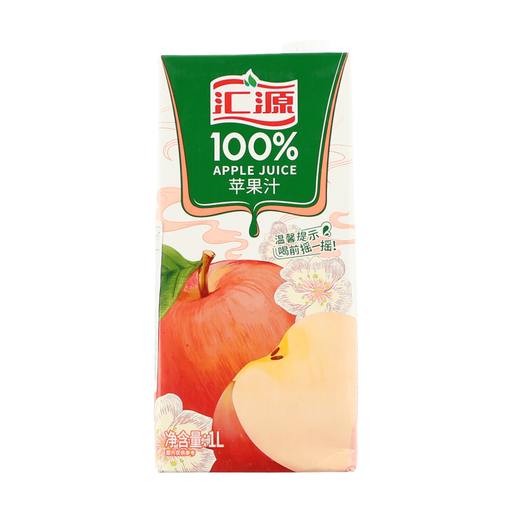
Huiyuan Apple Juice 1L
A 1L apple juice pack allows you to pour measured servings with lunch. Check its sugars per 100ml and storage directions on the exact pack; a no-added-sugar description alone would not establish a low sugar content.
View on Joybuy
 No image available
Appletiser 100% Apple Juice Lightly Sparkling 6 × 250ml
A lightly sparkling 100% apple juice in 250ml cans for those who want juice rather than a reduced-sugar juice drink. One full can exceeds the NHS’s advised combined daily 150ml amount for juice and smoothies, so plan the serving if following that guidance.
View on Joybuy
Picnic drink questions
Does “no added sugar” mean an apple drink has zero sugars?
No. A no-added-sugar description does not tell you that the finished drink contains zero sugars or that it is 100% juice. Read the total sugars figure on the nutrition panel and check the ingredients for fruit-juice content and sweeteners.
How much 100% apple juice should I plan for lunch?
The NHS advises limiting fruit juice and smoothies to a combined 150ml a day and having juice with a meal. If you bring a larger bottle or can, plan the amount you intend to pour rather than treating the whole pack as one juice serving.
Is 100% apple juice the lower-sugar choice?
Not necessarily. For the named examples, Copella lists 10g sugars per 100ml for Cloudy Apple, while Tesco lists 2.0g per 100ml for its No Added Sugar Apple Juice Drink. They are different types of drink, so compare equal volumes and decide whether pure juice or the lower declared sugar figure matters more to you.
Will I need a cool bag for apple drinks?
Follow the exact product’s storage instructions. Marks & Spencer says Pressed Pink Lady Apple Juice must be kept refrigerated at 0°C to +5°C, whereas its apple juice cartons listed through Ocado are stored cool and dry before opening. Do not assume those directions apply to another pack.
What if someone drinking it avoids sweeteners or sulphites?
Check the ingredients on the exact product before packing it. Sainsbury’s No Added Sugar Apple High Juice Squash contains a sweetener and sodium metabisulphite, a sulphite; a different apple drink may have a different formulation.


