Shoppers comparing sugars per portion
If you want an apple-flavoured drink for a study break, compare the sugars figure for the amount you will actually drink. A “no added sugar” label does not mean the drink contains no sugar.


For an apple-flavoured revision break, compare the sugars per serving and the ingredients before choosing between a juice drink, a juice-and-water blend and 100% apple juice. The listed no-added-sugar apple-and-pear drinks contain sweetener; Tropicana Fresh & Light Apple has no added sweetener but still contains sugar. If you choose fruit juice, NHS guidance recommends no more than 150ml a day, with a meal; keep water as your regular drink during revision.
If you want an apple-flavoured drink for a study break, compare the sugars figure for the amount you will actually drink. A “no added sugar” label does not mean the drink contains no sugar.
If sweeteners are the deciding factor, check the ingredients rather than relying on a lower-sugar description. Tropicana Fresh & Light Apple is a juice-and-water blend without added sweetener, but ASDA Groceries lists 11g sugars per 150ml.
If you specifically want 100% apple juice, choose it for that ingredient preference rather than assuming it has less sugar. NHS guidance recommends limiting fruit juice and smoothies to a combined 150ml a day and having them with a meal.
Decide whether apple content, sugars or avoiding sweeteners matters most, then compare labels using the same serving size.
Choose when: You prioritise a lower listed sugars figure and are comfortable with sweetener in an apple-based drink.
Trade-off: The ASDA and Tesco apple-and-pear examples contain sweetener and are not 100% apple juice.
Choose when: You want an apple-led drink without added sweetener rather than pure juice.
Trade-off: Tropicana Fresh & Light Apple still contains sugars and includes grape juice and water.
Choose when: Pure apple juice matters more to you than selecting the lowest listed sugars figure.
Trade-off: NHS guidance counts the naturally occurring sugars in juice as free sugars and recommends a 150ml daily limit with a meal.
| Priority | What to check | Your needs |
|---|---|---|
| Sugars per drink | Compare sugars per 100ml and per serving, then check the serving size. ASDA Groceries lists 1.8g per 150ml carton for its no-added-sugar apple-and-pear drink; that figure does not make it sugar-free. | I want to know how much sugar is in the drink I will have during a break, not just what the front of the pack says. |
| Sweeteners and ingredients | Read the ingredient list for sweeteners, water and the types of juice. The ASDA and Tesco no-added-sugar apple-and-pear drinks list sucralose; ASDA Groceries lists no added sweetener for Tropicana Fresh & Light Apple. | I would rather avoid sweeteners, even if that means choosing a drink with a higher listed sugars figure. |
| Juice portion | Check whether the drink is 100% fruit juice and measure the portion. The NHS recommends a maximum of 150ml of fruit juice and smoothies a day, with a meal. | Pure apple juice appeals to me, but I do not want a large bottle to become an all-session drink. |
| Drink for the session | Keep a separate regular drink available. NHS hydration guidance recommends drinking regularly through the day and identifies water as a suitable choice. | I want an apple-flavoured drink with a break, while having water available throughout revision. |
Juice-based drinks can still contain naturally occurring sugars, and some lower-sugar formulations use sweeteners.
Compare the sugars line per 100ml and per serving, then check the ingredients for sweeteners.
The NHS counts sugars in unsweetened fruit juice as free sugars and recommends no more than 150ml of fruit juice and smoothies a day, with a meal.
If you choose juice, measure a serving to have with a meal and keep water nearby for the rest of the session.
A juice-and-water blend may contain other fruit juices as well as apple; it is a different product type from 100% apple juice.
Check the ingredient list if apple-only juice matters to you. If avoiding sweetener matters more, check that separately.
Ingredients and nutrition information can change, so the drink received may differ from an earlier listing.
Check its label for sugars, sweeteners, storage instructions and the best-before date.
These examples show how differently labelled apple drinks can meet different preferences; each choice depends on the particular product.
Tropicana offers both Orchard Apple, described by the brand as 100% pressed juice, and Fresh & Light Apple, a juice-and-water blend.
Tesco’s no-added-sugar apple-and-pear drink is an option to compare if you want a juice drink rather than 100% apple juice.
ASDA lists both a 100% apple juice carton and a no-added-sugar apple-and-pear juice drink in 150ml cartons.
These Tango cans are apple-flavoured carbonated soft drinks for shoppers considering a sugar-free drink during a revision break. They are not substitutes for 100% apple juice if pure juice is what you want.
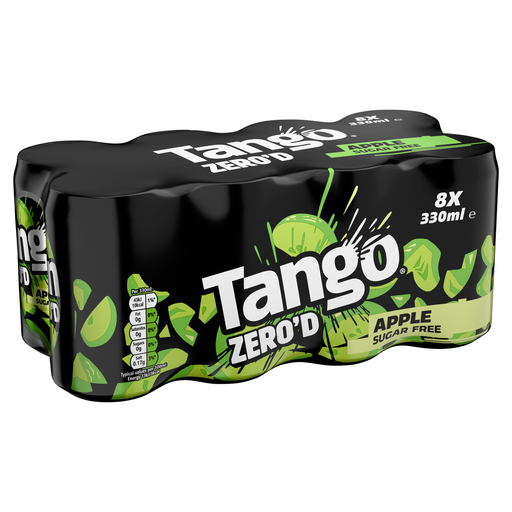 Image unavailable
An eight-can apple-flavoured option for individual breaks. This is a carbonated soft drink, not 100% apple juice; check the can’s ingredients if you are avoiding sweeteners, and handle pressurised cans with care.
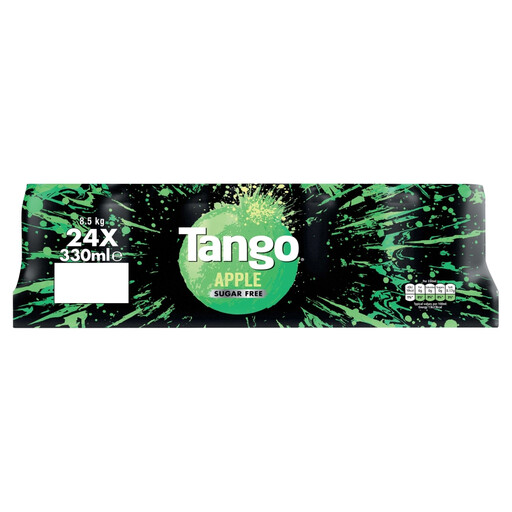 Image unavailable
A 24-can apple-flavoured option if you want individually portioned soft drinks. It is carbonated rather than 100% apple juice; check the can’s ingredients if you are avoiding sweeteners, and handle pressurised cans with care.
No. A no-added-sugar drink can still contain naturally occurring sugars. Check sugars per serving and the ingredient list: the ASDA and Tesco apple-and-pear examples also contain sweetener.
The NHS recommends no more than one small 150ml glass of fruit juice and smoothies a day, taken with a meal. That is a daily amount, not a serving to repeat at each study break.
No. ASDA Groceries lists 17g sugars in its 150ml apple juice carton and 1.8g in its 150ml no-added-sugar apple-and-pear drink carton. The latter is a different formulation and contains sucralose, so compare ingredients as well as sugars.
Keep water available as your regular drink. NHS guidance recommends drinking regularly through the day and limiting fruit juice and smoothies to 150ml daily with a meal.