Hosts planning smaller juice servings
If you want to offer apple juice without making it the default refill, plan how you will pour it. NHS guidance limits fruit juice and smoothies to a combined 150ml a day.


Choose 100% apple juice if guests want juice and you can pour measured servings; its naturally occurring sugars still count when comparing drinks. A no-added-sugar squash offers a non-fizzy drink when diluted as directed, while apple-flavoured fizz suits guests who prefer carbonation. Compare sugars on each drink’s stated serving basis, and check the ingredients and exact label before serving.
The useful starting point is whether guests want juice, a still drink to dilute or something fizzy.
If you want to offer apple juice without making it the default refill, plan how you will pour it. NHS guidance limits fruit juice and smoothies to a combined 150ml a day.
A garden-party table can include measured juice, a diluted non-fizzy drink and a carbonated option. Check each product’s description: apple flavour does not necessarily mean 100% apple juice.
Read the exact pack before serving drinks to guests with ingredient restrictions. The Sainsbury’s squash described here contains sulphites and sucralose; the cited Tropicana and Copella juices list apple juice and ascorbic acid or vitamin C.
Pick the type of drink first, then compare the nutrition and ingredients for the amount you expect to serve.
Choose when: guests want juice and you can offer measured servings.
Bear in mind: juice contains free sugars; NHS guidance limits fruit juice and smoothies to 150ml combined per day.
Choose when: you want a non-fizzy apple-based alternative to juice.
Bear in mind: squash needs diluting as directed, and ingredients such as sweeteners or sulphites vary by product.
Choose when: guests prefer a carbonated soft drink to a glass of juice.
Bear in mind: the cited Tesco and Fanta drinks contain some apple juice and sweeteners, but are not 100% juice.
| Priority | What to check | Your needs |
|---|---|---|
| Sugars per drink | Compare the stated serving sizes as well as the sugar figures. Tropicana and Copella each list 15g sugars per 150ml; Sainsbury’s Apple High Juice Squash lists 2.5g per prepared 250ml serving. These are different serving sizes. | I want the sugars listed for the amount I will actually pour, rather than relying on a “no added sugar” or “zero sugar” name. |
| Type of drink | Check whether the description says 100% juice, squash, juice drink or apple-flavoured soft drink. Sainsbury’s cited squash contains 50% apple juice; Tesco Apple Zero is a carbonated drink containing 4% apple juice from concentrate. | If guests ask for apple juice, I want to know which bottle is juice and which is an apple-flavoured alternative. |
| Ingredients | Read the exact variant’s ingredients for sweeteners and declared allergens. The cited Sainsbury’s squash contains sucralose and sulphites; the cited Tesco Apple Zero contains sweeteners. | Some guests may need to avoid particular ingredients, so I want the packaging available when I serve the drinks. |
| Serving and preparation | Follow a squash’s dilution directions and compare its prepared serving with ready-to-drink products. For juice, NHS guidance limits fruit juice and smoothies to 150ml combined per day. | I need to decide whether to prepare a jug, pour small glasses of juice or put out individual ready-to-drink containers. |
The cited no-added-sugar squash and apple-flavoured fizzy drinks differ from pure juice in their ingredients and juice content.
Decide whether you want juice, a drink to dilute or a fizzy soft drink, then check the product description and ingredients.
Tropicana Orchard Apple and the cited Copella juice each list 15g sugars per 150ml. NHS guidance limits fruit juice and smoothies to a combined 150ml a day.
Offer measured juice servings and put water and other drinks within easy reach.
Sainsbury’s Apple High Juice Squash lists its nutrition per prepared 250ml serving, not per 250ml of concentrate.
Follow the pack’s dilution directions before comparing servings or making a jug for guests.
The cited Sainsbury’s squash contains sucralose and sulphites, while the cited apple-flavoured fizzy drinks contain sweeteners. Those ingredients can matter to individual guests.
Keep the packaging available so guests can check the exact ingredients, and offer plain water too.
These product examples show why the drink name, serving size and ingredient list matter more than the brand alone.
Tropicana Orchard Apple is an example of a 100% apple-juice option for measured servings.
The cited Copella 900ml apple juice is not from concentrate.
The cited own-label products include an apple squash and an apple-and-pear juice drink rather than only pure juice.
Tesco Apple Zero is a carbonated apple-flavoured soft drink, not 100% apple juice.
The cited M&S cloudy apple juice is another juice option to compare by its own label.
These options include fizzy apple-flavoured drinks, a no-added-sugar mixed-fruit drink and apple juice. Choose by drink type and serving format; a fizzy apple-flavoured soft drink is not the same purchase as apple juice.
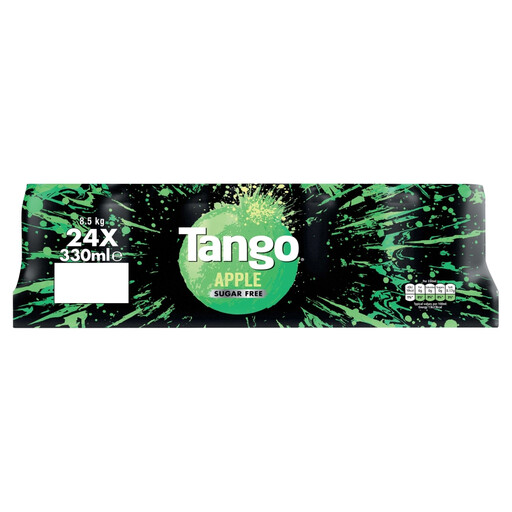 No image available
Consider this multipack when guests want an apple-flavoured fizzy drink rather than apple juice. Check the ingredients for sweeteners before serving, and handle pressurised cans with care.
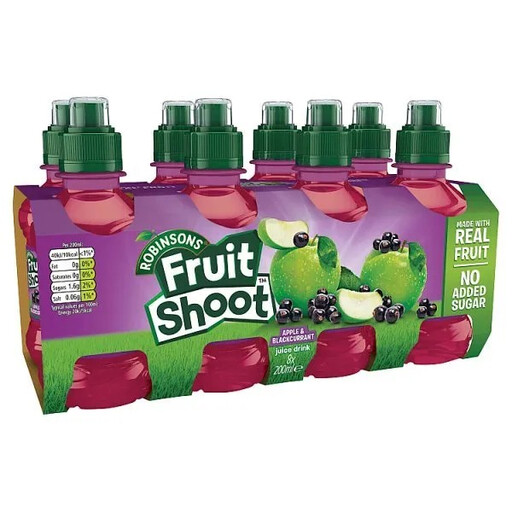 No image available
The individual bottles suit serving a mixed apple-and-blackcurrant drink without preparing squash. It is not pure apple juice; check the sweeteners and the cap warning before offering it to young children.
 No image available
This is a sparkling juice option, not an apple-flavoured zero-sugar soft drink. Each 250ml can exceeds the NHS guidance of 150ml a day for fruit juice and smoothies combined, so plan servings accordingly.
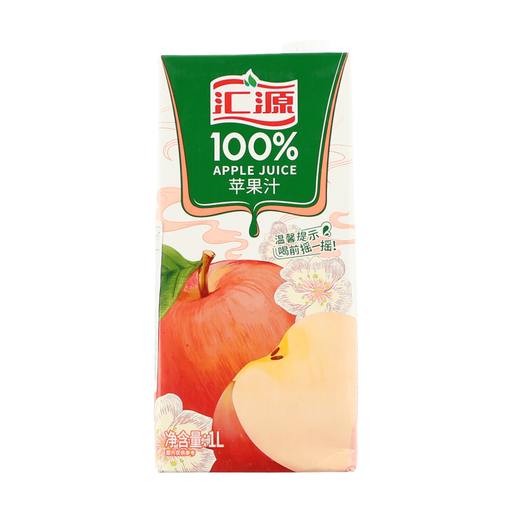 No image available
A larger bottle offers a way to pour individual juice servings at a gathering. Read the label for its ingredients and sugars rather than treating apple juice as sugar-free; NHS guidance limits fruit juice and smoothies to 150ml combined per day.
No. Sainsbury’s cited no-added-sugar apple squash lists 2.5g sugars per prepared 250ml serving. Tropicana and Copella each list 15g per 150ml of their cited apple juices, so check both the sugar figure and serving size.
It can offer guests a fizzy alternative, but it is a different type of drink. The cited Tesco Apple Zero contains 4% apple juice from concentrate and sweeteners; the cited Fanta Zero Sugar Apple contains 3.3% apple juice from concentrate and sweeteners.
NHS guidance limits fruit juice and smoothies to a combined 150ml a day. Smaller glasses make measured servings easier to offer alongside water and other drinks.
Yes. The cited Sainsbury’s Apple High Juice Squash contains sucralose and sulphites. Keep the exact pack available for guests who need to check ingredients.
Follow the instructions on the particular pack. The cited Copella 900ml juice and M&S cloudy apple juice both instruct customers to refrigerate after opening and consume within four days.