Parents planning an after-school snack
Serving size and timing matter if juice is part of the snack. The NHS advises limiting fruit juice and smoothies to 150ml in total each day and having juice with meals, rather than sipping it between meals.


Choose 100% apple juice if you want a fruit-juice serving and can keep juice and smoothies to a combined 150ml a day, served with a meal, as the NHS advises. If labelled sugar is the deciding factor, the Tesco and Sainsbury’s no-added-sugar apple-and-pear drinks each list 3.9g sugars per 150ml, against 15g for the Tropicana and Copella pure juices; they contain sweeteners and are not zero sugar. For thirst between meals, choose water rather than juice to sip through the afternoon.
The useful distinction is whether you want a portion of pure juice, a drink with less labelled sugar, or something to offer for thirst between meals.
Serving size and timing matter if juice is part of the snack. The NHS advises limiting fruit juice and smoothies to 150ml in total each day and having juice with meals, rather than sipping it between meals.
A no-added-sugar apple-and-pear drink can list less sugar than pure apple juice without being sugar-free. Tesco and Sainsbury’s each list 3.9g sugars per 150ml for their cited drinks, compared with 15g per 150ml for Tropicana Orchard Apple and Copella Cloudy Apple; the two juice drinks also contain sweeteners.
Pure pressed juice and a drink made with water, juice concentrates and sweeteners are different purchases. Pack size also matters: check whether an opened bottle or carton can be refrigerated and used within its stated period.
Start with the drink type and sugars per serving, then decide when it will be served and whether the pack size suits your household.
| Priority | What to check | My needs |
|---|---|---|
| Labelled sugar | Compare sugars per 100ml and per serving on the nutrition panel. Tesco and Sainsbury’s cited no-added-sugar apple-and-pear drinks list 3.9g per 150ml; Tropicana Orchard Apple and Copella Cloudy Apple list 15g per 150ml. | I want an apple-flavoured drink with less labelled sugar and am willing to consider a juice drink rather than pure juice. |
| Drink type | Read the product name and ingredients for juice content, other fruits and sweeteners. The cited Tesco and Sainsbury’s drinks contain apple and pear juice concentrates and sweeteners; “no added sugar” does not mean zero sugar. | If I want pure apple juice, I need to check that the drink is juice rather than assume an apple-flavoured drink is the same thing. |
| Serving time | The NHS advises a combined maximum of 150ml fruit juice and smoothies a day and recommends serving juice with meals. Check what the child has already had that day. | For thirst between meals, I would choose water rather than leave juice out to sip throughout the afternoon. |
| Pack size | Check the pack’s refrigeration and use-after-opening instructions. Tesco’s cited 1L drink specifies five days after opening; the cited Sainsbury’s 1L drink and Copella 1.35L juice specify four days. | A large carton only suits us if we can store it as instructed and use it within the period on the pack. |
The cited Tesco and Sainsbury’s apple-and-pear drinks each list 3.9g sugars per 150ml and contain sweeteners. The wording on the front does not replace the nutrition panel.
Compare sugars per 100ml and per serving, then read the ingredients if sweeteners affect your choice.
The NHS counts sugars in unsweetened fruit juice as free sugars. Tropicana Orchard Apple and Copella Cloudy Apple each list 15g sugars per 150ml.
Measure a juice serving against the NHS’s combined 150ml daily limit for fruit juice and smoothies, and serve juice with a meal.
The NHS recommends having fruit juice with meals to reduce tooth-decay risk, rather than drinking it repeatedly between meals.
If the after-school snack is between meals, offer water for thirst and save any chosen juice portion for a meal.
Opened-life instructions differ between products, so a larger pack needs to fit both fridge space and likely use.
Check the current pack for refrigeration and use-after-opening instructions before choosing a size.
An opened pack that cannot be used within its stated period may lead to waste.
These examples show why the exact product label matters more than the brand name when comparing pure juice with a no-added-sugar drink.
Orchard Apple is Tropicana’s 100% pressed, not-from-concentrate apple juice.
Cloudy Apple is a pressed apple juice with vitamin C.
Its cited No Added Sugar Apple & Pear Juice Drink is a 1L juice drink, not 100% apple juice.
Its cited 1L no-added-sugar Apple & Pear Juice Drink combines juice concentrates with sweeteners.
Its cited 1L Apple Juice is an option for shoppers comparing apple-juice cartons.
These options are apple-flavoured soft drinks and fruit drinks for comparing sugar labels, ingredients and pack sizes. They are not a selection of 100% apple juices: check each product’s juice content before treating it as a substitute for pure juice.
 No image available
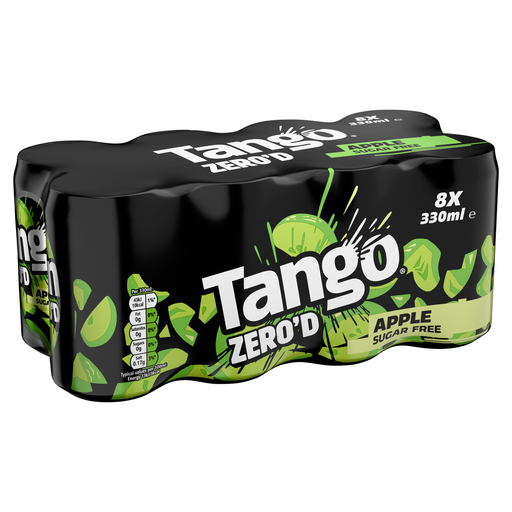
Consider this carbonated apple-flavoured soft drink if a label stating zero sugars is your priority, rather than a serving of pure juice.
The product description lists 0g sugars per 100ml, 4% apple juice from concentrate, and the sweeteners sucralose and acesulfame K. The pack contains eight 330ml cans; it is not 100% apple juice.
 No image available
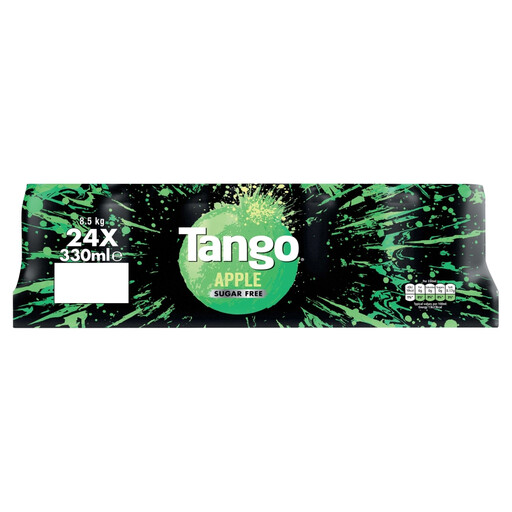
This is the larger multipack to consider if you want the same type of carbonated, sweetened apple-flavoured drink and can use 24 cans.
The product description lists 0g sugars per 100ml, 4% apple juice from concentrate, sucralose and acesulfame K. Each can contains 330ml; this is a soft drink, not pure apple juice.
 No image available
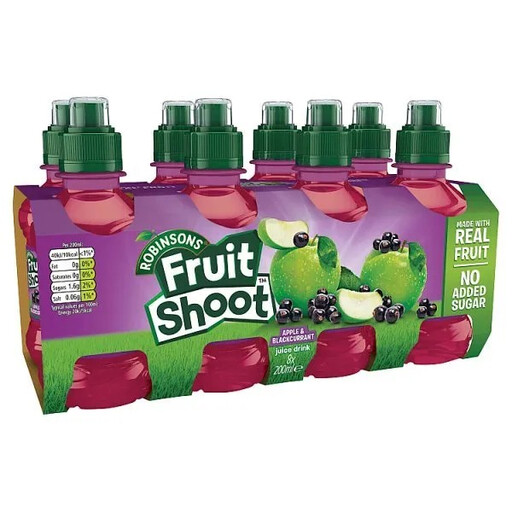
This apple-and-blackcurrant drink suits a comparison of smaller bottles and no-added-sugar labels, but it is not pure apple juice or zero sugar.
The description lists 0.7g sugars per 100ml, 6% apple juice, 2% blackcurrant juice and sweeteners. There are eight 200ml bottles; check the serving you intend to pour rather than treating the bottle as a 150ml juice portion. The listing warns that the caps contain small parts and says the product is unsuitable for children under 36 months.
 No image available
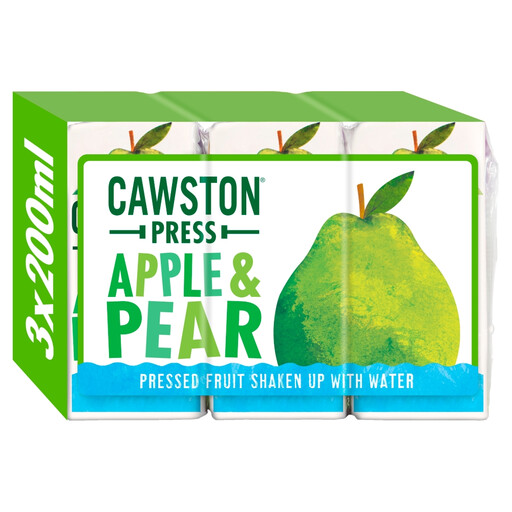
Consider this apple-and-pear drink if you prefer no added sugar and no artificial sweeteners, while accepting the sugars listed for the fruit ingredients.
The description lists 54% pressed apple juice, 6% pear purée, water and 6.4g sugars per 100ml. The pack has three 200ml cartons; it is not pure apple juice or a zero-sugar drink. Check the carton for storage instructions before choosing the pack.
No. Tesco and Sainsbury’s each list 3.9g sugars per 150ml for their cited no-added-sugar apple-and-pear drinks. Check the nutrition panel for the amount of sugar and the ingredients for sweeteners; a no-added-sugar label is not a zero-sugar label.
The NHS advises limiting fruit juice and smoothies to a combined 150ml a day and having juice with meals. If a child has already had that amount that day, choose another drink for the after-school snack.
Tropicana and Copella each say a 150ml serving of their cited apple juice counts as one fruit-and-vegetable portion. That does not change the NHS advice to limit fruit juice and smoothies to 150ml in total per day.
No. The NHS recommends serving fruit juice with meals to reduce tooth-decay risk. Offer water for ongoing thirst between meals instead of leaving juice to be sipped repeatedly.
Follow the instructions on the exact pack. The cited Tesco no-added-sugar 1L carton specifies five days after opening, while the cited Sainsbury’s 1L carton, Copella 1.35L juice and M&S apple juice specify four days. Refrigerate after opening where the pack instructs.