For a Chinese takeaway night, choose a no-added-sugar apple juice drink if the sugar figure per glass matters most and you are happy with sweetener: Tesco Groceries lists 3.1g sugars per 150ml for its example, which contains 20% apple juice and sucralose. If you prefer a 100% apple juice, Tropicana UK and Copella Fruit Juices each list 15g sugars per 150ml for the examples covered here. The NHS says sugars in unsweetened fruit juice count as free sugars and advises having juice with a meal in a small serving.
Who is this for?
Hosts comparing sugar per glass
If you are sharing drinks with a takeaway, compare the sugars shown for the amount you intend to pour. A no-added-sugar juice drink can have a lower figure than 100% juice, but check its sweetener and juice content too.
Shoppers who prefer 100% apple juice
An apple-led ingredient list may matter more to you than the lowest sugar figure. Tropicana UK and Copella Fruit Juices each list 15g sugars per 150ml for their apple juices, so check the serving as well as the ingredients.
Small households sharing one meal
Pack size and after-opening instructions matter if only one or two people want juice. Check whether an opened bottle or carton can be finished within the time stated on its label.
What should you check?
Start with the sugars per intended serving, then check what makes up the drink and whether its pack suits the number of people at the table.
| Priority | What to check | Your needs |
|---|
| Sugars |
Compare sugars per 100ml and per glass; no added sugar does not mean sugar-free. Tesco Groceries lists 3.1g per 150ml for its juice drink, while Tropicana UK and Copella Fruit Juices each list 15g per 150ml for the examples covered here. |
I want to know how much sugar will be in the glass I serve, rather than relying on the wording on the front of the pack. |
| Ingredients |
Check the apple juice percentage and whether the ingredients include sweeteners or flavourings. Tesco Groceries lists 20% apple juice from concentrate and sucralose in its no-added-sugar drink; the Tropicana UK and Copella Fruit Juices examples list apple juice with ascorbic acid or vitamin C. |
Would I rather serve a drink with a lower sugar figure, or one with a 100% apple-juice profile? |
| Serving size |
Check how the label defines a serving and measure the amount you plan to pour. The NHS advises limiting fruit juice and smoothies to 150ml in total per day and having them with meals. |
I would like juice alongside the takeaway, without treating a larger glass or repeated top-ups as the same serving. |
| Pack and storage |
Match the pack size to the number of drinkers and read its after-opening instructions. Sainsbury's lists four days after opening for its Copella bottle; Marks & Spencer says to refrigerate its Cloudy Apple Juice and drink it within 24 hours. |
If only a few of us want apple juice, I would rather choose a pack we can finish within its stated storage window. |
Common buying mistakes
-
Reading “no added sugar” as “sugar-free”
A no-added-sugar apple drink can still list sugars. The NHS also says sugars in unsweetened fruit juice count as free sugars.
Compare the nutrition panel per 100ml and for the glass you intend to serve, then check the ingredients for sweetener.
-
Assuming a juice drink is 100% apple juice
The Tesco Groceries no-added-sugar example contains 20% apple juice from concentrate and sucralose. The Tropicana UK and Copella Fruit Juices examples have apple-juice ingredient profiles but higher listed sugars per 150ml.
Decide whether the sugar figure or the juice content is more important for this meal, and read both labels before choosing.
-
Opening a large pack without checking storage
After-opening instructions differ: Sainsbury's lists four days for its Copella bottle, while Marks & Spencer specifies 24 hours for its Cloudy Apple Juice.
Choose a pack size the group is likely to finish, refrigerate it as directed and follow the instruction on that particular pack.
Brand and retailer references
Tropicana
Tropicana Orchard Apple is a 100% pressed, not-from-concentrate option for those who prefer an apple-juice ingredient profile.
- Tropicana UK lists apple juice and ascorbic acid as ingredients.
- Tropicana UK lists 15g sugars per 150ml; an apple-juice ingredient profile does not mean a low sugar figure.
Copella
Copella Cloudy Apple offers a pressed-apple option for a meal-time glass.
- Copella Fruit Juices lists pressed apple juice and vitamin C in the ingredients.
- Copella Fruit Juices lists 15g sugars per 150ml.
Tesco
Tesco's No Added Sugar Apple Juice Drink is an example for comparing a juice drink with 100% apple juice.
- Tesco Groceries lists 3.1g sugars per 150ml for its 1L drink.
- It contains 20% apple juice from concentrate and sucralose. Check availability before planning to serve this particular drink.
M&S
M&S Cloudy Apple Juice is a not-from-concentrate option whose storage instructions matter when serving a small group.
- Marks & Spencer describes this product as not from concentrate.
- Marks & Spencer lists 10.2g sugars per 100g and says to refrigerate after opening and drink within 24 hours.
Sainsbury's
The Sainsbury's product reference is a listing for Copella Cloudy Apple, not a Sainsbury's own-label juice.
- Its Copella listing is for a 300ml bottle, which may suit fewer drinkers than a large carton.
- Sainsbury's lists 15g sugars per 150ml and instructs shoppers to keep the opened bottle refrigerated and consume it within four days.
Joybuy apple-drink options
These options cover an apple-and-pear fruit water, a sugar-free apple-flavoured soft drink and a lightly sparkling 100% apple juice. They are different kinds of drinks, so compare their labels against the sugar and juice-content priorities above.
 No image available
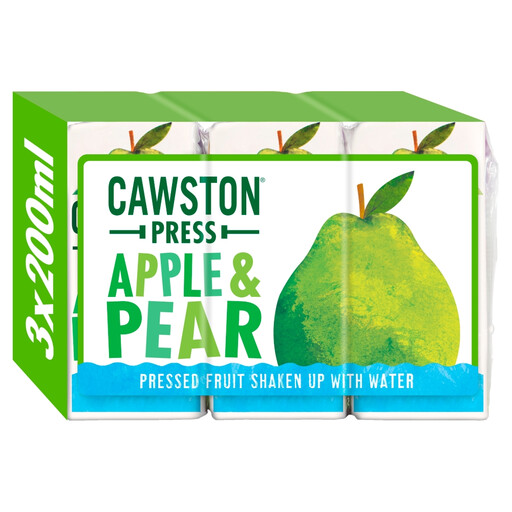
CAWSTON PRESS Apple & Pear Fruit Water 3x200ml
Three individual cartons offer a way to serve an apple-and-pear drink with the meal. This is not apple-only juice; if no added sugar is your priority, check the ingredients and sugars on the carton.
View on Joybuy
 No image available
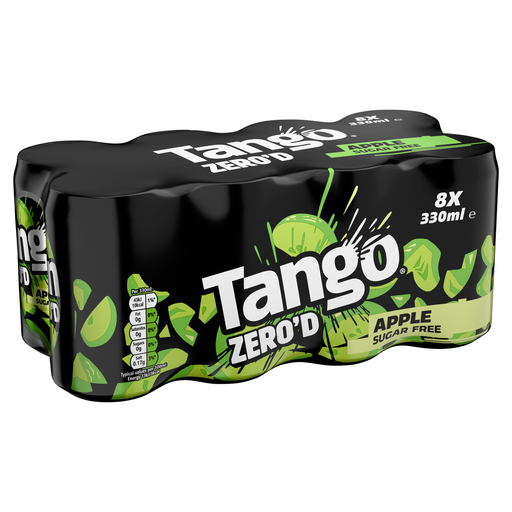
Tango Sugar Free Apple 8x330ml
Eight individual cans provide a sugar-free apple-flavoured option for the table. It is a fizzy soft drink rather than still apple juice; check the ingredients if sweeteners affect your choice.
View on Joybuy
 No image available
Appletiser 100% Apple Juice Lightly Sparkling 6x250ml
Six individual 250ml cans suit a choice of lightly sparkling 100% apple juice rather than a still juice drink. Compare the sugars on the can and pour the amount you intend to serve; 100% juice does not by itself indicate a low sugar figure.
View on Joybuy
Frequently asked questions
Does “no added sugar” mean an apple drink is sugar-free?
No. Tesco Groceries lists 3.1g sugars per 150ml for its no-added-sugar apple juice drink. Check the sugars on the nutrition panel rather than assuming the front-of-pack claim means zero; the NHS says sugars in unsweetened fruit juice count as free sugars.
Should I choose 100% apple juice or a no-added-sugar juice drink with takeaway?
Choose according to whether the sugar figure or a 100% apple-juice profile matters more to you. Tesco Groceries lists 3.1g sugars per 150ml for its drink, which contains sucralose and 20% apple juice; Tropicana UK and Copella Fruit Juices each list 15g per 150ml for the 100% juice examples.
How much apple juice should I pour with the meal?
The NHS advises limiting fruit juice and smoothies to 150ml in total per day and having them with meals. Check the amount you pour rather than assuming a full bottle or can equals that serving.
Do no-added-sugar apple juice drinks contain sweeteners?
Some do: Tesco Groceries lists sucralose in its No Added Sugar Apple Juice Drink. If sweetener affects your choice, check the ingredients of the particular drink rather than relying on the no-added-sugar wording.
What should I do with apple juice left after takeaway night?
Follow the instructions on the pack you opened and refrigerate it where directed. Sainsbury's lists four days after opening for its Copella bottle, while Marks & Spencer says to refrigerate its Cloudy Apple Juice and drink it within 24 hours.


