For a school-day meal, a 150ml 100% sparkling apple juice can be an occasional choice if it fits within the day’s total juice and smoothie intake: the NHS advises a maximum of 150ml in total and recommends drinking it with meals. A diluted apple-based sparkling drink is a different choice, so check its juice content, ingredients and sugars rather than assuming ‘no added sugar’ means sugar-free. For a drink throughout the school day, water is the simpler choice.
Who is choosing the drink?
Parents choosing an occasional juice
If the drink is for breakfast, a packed lunch or an after-school meal, consider the serving alongside any other juice or smoothies that day. The NHS advises keeping their combined total to no more than 150ml daily and drinking them with meals.
Pupils who prefer apple flavour with fizz
A 100% sparkling apple juice and an apple-based sparkling water are not the same drink. Check the juice percentage and ingredients if apple flavour, dilution or added sugar affects the choice.
School food buyers in England
Drinks supplied by a school need a different check from drinks chosen for home or a packed lunch. The Department for Education’s school food guidance applies to England; check the applicable requirements and the school’s policy before ordering.
What should you check?
Start with when the drink will be served, then compare pack size, juice content and the ingredient and nutrition labels.
| Priority |
What to check |
Your needs |
| Juice portion |
Check the amount to be served and any other juice or smoothies planned that day. The NHS advises a combined maximum of 150ml daily, with meals. |
I’m choosing a drink for a meal and want the juice portion to fit within the day’s total. |
| Drink type |
Read the apple-juice percentage and ingredient list. Sainsbury’s labels its 150ml Appletiser as 100% apple juice; Marks & Spencer labels its apple-and-elderflower sparkling water as 59% apple juice and its Sparkling British Apple Spring Water as 16% apple juice with sugar listed as an ingredient. |
Do I want sparkling apple juice itself, or a diluted drink with apple flavour and other ingredients? |
| Sugars |
Compare the sugars line using the stated per 100ml or per 100g basis, then check the serving size. Sainsbury’s lists 10.5g sugars per 100ml for Appletiser; an ingredients list shows whether sugar has been added. |
I’d like to know what ‘no added sugar’ means for this particular drink, rather than assuming it contains no sugars. |
| School provision |
If the school supplies the drink, check the rules for the relevant UK nation and the school’s own policy. The Department for Education’s school food guidance applies to England. |
I’m buying for a school to provide, so I need to check its requirements before choosing a product. |
Common buying mistakes
-
Using fizzy juice as an all-day drink
Carbonation does not change the NHS advice to limit fruit juice and smoothies to a combined 150ml a day and drink them with meals to reduce tooth-decay risk.
Choose a portion for a meal rather than adding a can to other juice or smoothie servings without considering the total.
-
Assuming 100% juice is low in sugars
Sainsbury’s labels Appletiser as 100% apple juice but lists 10.5g sugars per 100ml. The NHS counts sugars in unsweetened fruit juice as free sugars.
Check both the ingredients and the sugars line, then consider how much will actually be served.
-
Treating every fizzy apple drink as equivalent
The Marks & Spencer apple-and-elderflower sparkling water contains 59% apple juice with no added sugar, while its Sparkling British Apple Spring Water contains 16% apple juice and lists sugar as an ingredient. Neither has the same formulation as 100% sparkling apple juice.
Decide which type of drink you want before comparing juice percentages, added sugar and serving sizes.
-
Applying home choices to school-provided drinks
England has requirements for drinks provided in schools, while the Department for Education’s guidance does not establish rules for every UK nation or an individual school’s packed-lunch policy.
For a school order, check the requirements that apply where the school is located and confirm its own policy.
Brands and product lines to compare
Appletiser
Sainsbury’s lists a 150ml Appletiser as gently sparkling, 100% apple juice from concentrate.
- The listed 150ml serving matches the NHS maximum daily total for juice and smoothies.
- Its label declares 10.5g sugars per 100ml; the serving still needs to be considered alongside any other juice or smoothies that day.
M&S
Marks & Spencer lists two differently formulated apple-based sparkling waters.
- Its apple-and-elderflower sparkling water lists 59% apple juice and no added sugar.
- Its Sparkling British Apple Spring Water lists 16% apple juice and includes sugar in the ingredients; neither product should be mistaken for 100% sparkling apple juice.
Copella
Tesco lists Copella Apple Juice and Copella Apple & Elderflower Juice among its apple juices.
- These listings give shoppers still apple-juice options to consider alongside fizzy drinks.
- Check the label of any Copella product chosen for fizz rather than assuming an apple-juice listing is sparkling.
Tropicana
Tesco lists Tropicana Pressed Apple Fruit Juice as an apple-juice option.
- It is a named still-juice comparison for shoppers deciding whether they want carbonation at all.
- Check the specific product label if carbonation is a requirement; the pressed-juice listing does not establish that it is sparkling.
Joybuy product options
These options include sparkling apple juice and fizzy drinks with other flavours. Check each serving size and label against the drink you want for a school-day meal.
 No image available
Appletiser 100% Apple Juice Lightly Sparkling, 6 x 250ml
For someone choosing sparkling apple juice rather than a diluted drink. Joybuy describes this six-pack as 100% carbonated apple juice from concentrate; each 250ml can is larger than the NHS maximum daily total of 150ml for juice and smoothies, so consider the amount served with a meal.
Joybuy
 No image available
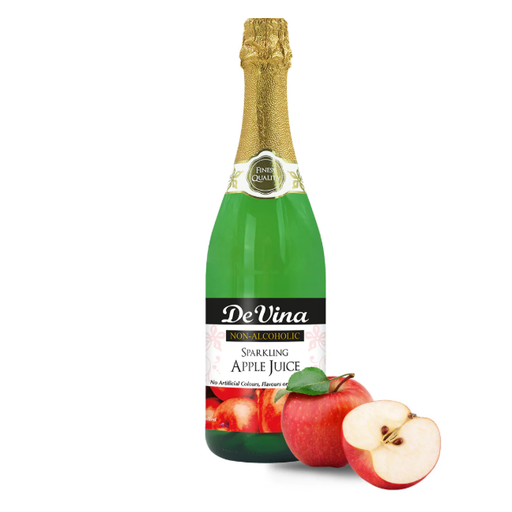
De Vina Sparkling Apple, 750ml
The 750ml format calls for a measured serving if it is being chosen as a meal-time juice. Check the current nutrition label before comparing sugars, and note the product description’s under-4 suitability warning.
Joybuy
 No image available
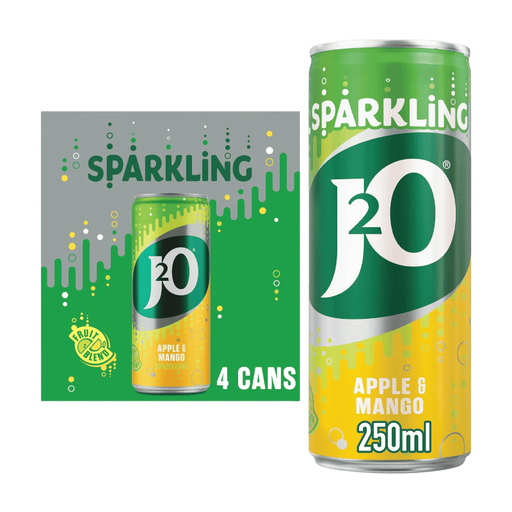
J2O Sparkling Apple & Mango, 4 x 250ml
For someone seeking an apple-and-mango fizzy drink rather than plain sparkling apple juice. The pack contains four 250ml cans; check the ingredients and juice content if the distinction between juice and a blended soft drink matters to you.
Joybuy
 No image available
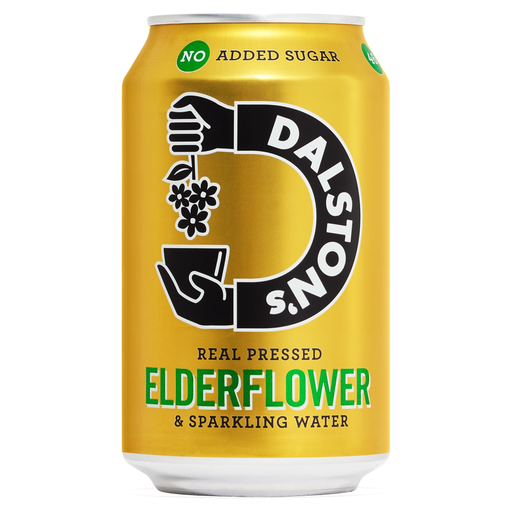
Dalston’s Fizzy Elderflower, 330ml
An elderflower-flavoured fizzy drink rather than plain sparkling apple juice. If choosing it for its apple-juice content, check the current ingredient list and juice percentage before comparing it with a juice serving; the can is 330ml.
Joybuy
Questions about school-day drinks
Can sparkling apple juice be an everyday school drink?
It should not be treated as an unrestricted drink throughout the day. The NHS advises limiting fruit juice and smoothies to a combined 150ml daily and drinking them with meals to reduce tooth-decay risk; water is the simpler choice between meals.
How does a 150ml Appletiser fit the NHS juice guidance?
Sainsbury’s listed 150ml Appletiser serving equals the NHS maximum daily total for fruit juice and smoothies. Other juice or smoothies that day would need to be considered as part of the same total.
Does ‘no added sugar’ mean an apple-based fizzy drink is sugar-free?
No. Marks & Spencer’s no-added-sugar apple-and-elderflower sparkling water contains apple juice and declares sugars on its nutrition label. Check the sugars line as well as the ingredients; the NHS counts sugars in unsweetened fruit juice as free sugars.
What if a school is providing the drink in England?
Check the drink against the requirements for school-provided food and drinks in England and the school’s own policy before ordering. The Department for Education’s England guidance does not establish the rules for other UK nations or determine an individual school’s packed-lunch policy.


