Recreational 5k runners
If you want a drink before running, decide whether you want carbohydrate from it or simply fluid. The NHS recommends water for replacing lost fluids; juice can be a separate, optional choice.


For a 5k, choose water for hydration and treat apple juice as an optional pre-run carbohydrate drink, not an automatic requirement during the run. If carbohydrate is your reason for choosing it, compare the amount in the portion you intend to drink: Sainsbury's lists 17g per 150ml for Tropicana Orchard Apple, while Tesco lists 16g per 150ml for Copella Apple Juice. The NHS advises limiting fruit juice and smoothies to a combined 150ml a day.
If you want a drink before running, decide whether you want carbohydrate from it or simply fluid. The NHS recommends water for replacing lost fluids; juice can be a separate, optional choice.
Check the nutrition panel as well as the claim on the front. No added sugar does not mean sugar-free: Sainsbury's and Tesco each list 15g naturally occurring sugars per 150ml for their respective Tropicana and Copella apple juices.
A ready-to-drink juice, a juice drink and a squash can provide different amounts of carbohydrate. Compare the ingredients and the figures for the portion as prepared, especially if carbohydrate is the reason for buying it.
Start with the drink's intended job—fluid or carbohydrate—then compare product type, serving size and the nutrition panel.
| Priority | What to check | Your needs |
|---|---|---|
| Carbohydrate | Compare carbohydrate for the portion you will drink, not just per 100ml. Sainsbury's lists 17g per 150ml for Tropicana Orchard Apple; Tesco lists 16g per 150ml for Copella Apple Juice and 4.1g per 150ml for its Apple & Pear Juice Drink. | I want the drink to contribute carbohydrate before my run, so I need the amount in my actual serving. If I only want an apple-flavoured drink, that amount may matter less. |
| Product type | Read the ingredients to distinguish 100% apple juice from a juice drink or a squash that needs diluting. For squash, use the nutrition figures for the prepared drink. | I would rather know whether I am buying juice to drink as supplied or a concentrate to mix with water. |
| Sugar claim | Read both the no-added-sugar wording and the sugars figure. Sainsbury's and Tesco each list 15g naturally occurring sugars per 150ml for the Tropicana and Copella juices. | I am avoiding added sugar, but I do not want to mistake that claim for a sugar-free drink. |
| Hydration and portion | The NHS recommends water for replacing lost fluids and advises a combined limit of 150ml a day for fruit juice and smoothies. Measure a juice portion rather than treating the bottle or can as one serving. | For fluid during a 5k, I can choose water. If I also have juice, its portion needs to fit alongside any other juice or smoothies that day. |
| Timing and tolerance | Consider when you would drink it and whether you have tried that type and portion before running. UK Sports Institute guidance describes runners' nutrition needs as individual. | Before an event, I would rather try a proposed drink routine during an ordinary training run than make the event my first trial. |
Apple juice can contain naturally occurring sugars even when no sugar has been added. Sainsbury's lists 15g sugars per 150ml for Tropicana Orchard Apple, and Tesco lists the same amount for Copella Apple Juice.
Check the ingredients and the carbohydrate and sugars figures for the portion you plan to have.
Sainsbury's lists 2.8g carbohydrate per 250ml prepared serving for its Apple High Juice Squash, while Ocado lists 2.5g per 250ml diluted serving for M&S Apple & Elderflower High Juice. Those serving sizes also differ from the 150ml pure-juice examples.
Check the dilution instructions and compare carbohydrate for the amount you will actually prepare and drink.
The NHS recommends water for replacing lost fluids and advises limiting fruit juice and smoothies to a combined 150ml a day.
Choose water for hydration; if you want juice before running, treat it as a separate, measured drink.
Whether a particular serving and timing suits you is individual; a carbohydrate figure alone cannot settle that choice.
Try the drink and portion during ordinary training before relying on the routine for an event.
These labelled examples illustrate different drink formats; the brand name alone does not tell you how much carbohydrate a particular product contains.
Orchard Apple Juice is a 100% pressed apple juice example for someone seeking carbohydrate from a small juice serving.
Apple Juice is a not-from-concentrate example to compare when a measured juice serving is wanted before a run.
No Added Sugar Apple & Pear Juice Drink is a juice-drink example, rather than pure apple juice.
Apple High Juice Squash is a concentrate to dilute when the aim is an apple-flavoured drink rather than a ready-to-drink juice.
Its Apple & Blackcurrant Juice Drink and Apple & Elderflower High Juice illustrate why the specific format matters.
These apple juice options call for a pack-label check if no added sugar is a requirement. Measure the portion you intend to drink rather than assuming a whole container is one serving.
 No image available
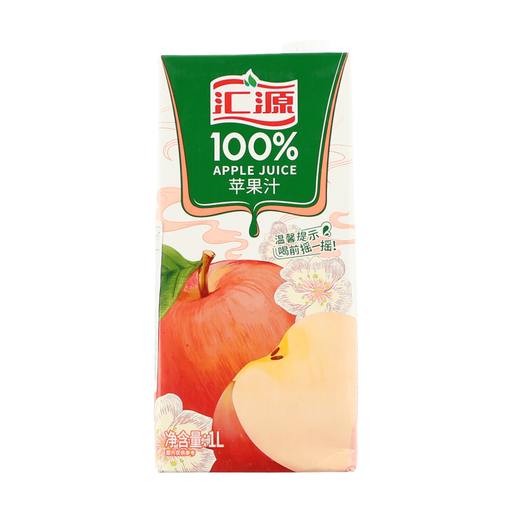
For a measured pre-run juice portion, check the current pack for its no-added-sugar wording and carbohydrate per serving. The named 1L bottle contains more than the NHS recommended daily combined 150ml limit for fruit juice and smoothies, so measure a smaller amount if you choose it.
 No image available
Lightly sparkling apple juice in six 250ml containers. Check the current pack for a no-added-sugar statement if that is essential to your choice, and try a sparkling drink during ordinary training before choosing it for an event. One 250ml container exceeds the NHS recommended daily combined 150ml limit for fruit juice and smoothies.
No. Fruit juice can contain naturally occurring sugars without added sugar. Sainsbury's lists 15g sugars per 150ml for Tropicana Orchard Apple, and Tesco lists 15g per 150ml for Copella Apple Juice; read the nutrition panel as well as the claim.
Not automatically. UK Sports Institute guidance describes stored carbohydrate as sufficient for about 90 minutes of moderate-intensity exercise, while the NHS recommends water for replacing lost fluids. Your run's duration and intensity, what you have eaten and your individual needs still matter.
The NHS advises limiting fruit juice and smoothies to a combined 150ml a day. A 150ml apple juice serving reaches that recommended daily amount, so include any other juice or smoothies when measuring a portion.
Not in the labelled examples here. Sainsbury's lists 2.8g carbohydrate per 250ml prepared serving for Apple High Juice Squash, and Ocado lists 2.5g per 250ml diluted serving for M&S Apple & Elderflower High Juice. By comparison, Sainsbury's lists 17g per 150ml for Tropicana Orchard Apple Juice; check both the portion size and the prepared-drink figures.
Check the product name, ingredients, any allergen information, no-added-sugar wording and nutrition figures for the portion you intend to drink. For a squash, check the dilution instructions too. UK food-labelling guidance from the Department for Environment, Food & Rural Affairs and the Food Standards Agency identifies the ingredients list, including allergens, among the information shown on pre-packed food labels.