Runners considering a pre-run top-up
If you want a small carbohydrate serving before your 5k, compare the amount per measured portion. That is a different decision from carrying a drink to consume during the run.


A 5k does not automatically call for carbohydrate during the run: World Athletics gives a range of 0–20g per hour for endurance activity lasting 45–75 minutes. If you want a small pre-run carbohydrate top-up, the cited 100% apple juices provide 16–17g per 150ml, compared with 3.1g in Tesco No Added Sugar Apple Juice Drink; if fuel is not the aim, choose an apple drink by its sugar and carbohydrate label instead. The NHS advises limiting juice and smoothies to a combined 150ml a day.
If you want a small carbohydrate serving before your 5k, compare the amount per measured portion. That is a different decision from carrying a drink to consume during the run.
If carbohydrate fuel is not your aim, a lower-sugar apple drink may fit your preference. Check the sugar and carbohydrate figures rather than assuming every apple-flavoured drink has the same composition.
Follow your individual clinical advice when deciding whether and when to take carbohydrate around exercise. General 5k drink guidance is not a substitute for that plan.
Decide whether the drink is intended as a pre-run carbohydrate serving or simply something apple-flavoured, then compare the label for the portion you would actually drink.
| Priority | What to check | Your needs |
|---|---|---|
| Pre-run carbohydrate | Compare carbohydrate per serving: Tropicana UK lists 17g per 150ml for Orchard Apple, and Copella lists 16g per 150ml for Cloudy Apple. World Athletics gives a range of 0–20g carbohydrate per hour for endurance activity lasting 45–75 minutes; that range does not make a drink necessary for every 5k. | If I want a small top-up before running, I need to know how much carbohydrate my measured serving contains. |
| Lower-sugar choice | Read both sugars and carbohydrate, as well as the product type. Tesco lists 3.1g of each per 150ml for its No Added Sugar Apple Juice Drink; its ingredients include water, 20% apple juice from concentrate and sucralose. | I am choosing an apple drink for taste, not expecting it to provide the same carbohydrate serving as 100% juice. |
| Juice portion | Check the pack size against the amount you intend to pour. The NHS advises limiting fruit juice and smoothies to a combined 150ml a day and says that sugars naturally present in juice count as free sugars. | A measured portion helps me keep track of juice alongside any smoothies I have that day. |
| Ordinary hydration | Decide whether you want fluid or a carbohydrate serving. The NHS identifies water as a straightforward hydration choice; an apple drink need not serve both purposes. | If I simply want a drink, I can use water without choosing juice as running fuel. |
Per 150ml, Tesco lists 3.1g carbohydrate for its No Added Sugar Apple Juice Drink, while Tropicana UK lists 17g for Orchard Apple and Copella lists 16g for Cloudy Apple. The drinks therefore provide different amounts of carbohydrate in the same volume.
Check carbohydrate per serving and the ingredient list. Choose according to whether you want a carbohydrate top-up or an apple drink with less sugar.
World Athletics gives a range of 0–20g carbohydrate per hour for endurance activity lasting 45–75 minutes, including the possibility of taking none.
Consider your usual food and drink before the run. If you follow a glucose-management plan, use your individual clinical guidance instead of a general fuelling rule.
The NHS counts the sugars in unsweetened juice as free sugars and advises a combined daily limit of 150ml for juice and smoothies.
Measure the juice you choose and use water for ordinary hydration.
These named drinks illustrate differences in serving size, carbohydrate and ingredients; the figures apply to the specified products, not every drink from each brand or retailer.
Orchard Apple is a 100% apple juice option to compare when a measured pre-run carbohydrate serving is the goal.
Cloudy Apple is another pressed apple juice to compare by its stated portion.
No Added Sugar Apple Juice Drink is an example of an apple drink with a different composition from 100% juice.
Its 200ml cloudy apple juice carton offers a pack-size comparison for shoppers considering a measured serving.
These options include apple juice to consider for a measured pre-run serving and a sugar-free apple-flavoured drink for when carbohydrate fuel is not the goal.
 No image available
Consider this lightly sparkling juice if you want a measured apple-juice serving before a run. Each 250ml can is larger than the NHS combined daily 150ml guidance for juice and smoothies, so check the portion you pour.
 No image available
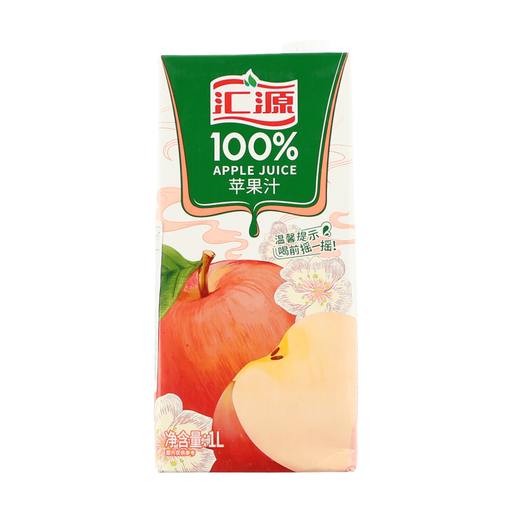
If you are considering a measured pre-run serving, check the carbohydrate figure for the amount you would drink. The description calls this 100% juice, but its ingredient list names water and apple juice concentrate; check the pack’s composition before treating it as 100% juice.
 No image available
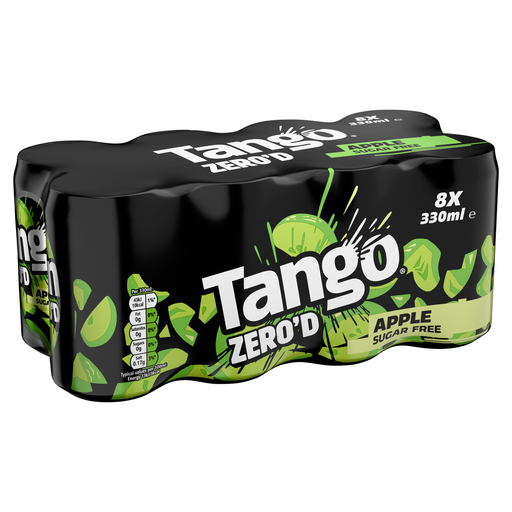
This sugar-free apple-flavoured drink fits a choice based on taste rather than a planned carbohydrate serving. If pre-run fuel is your aim, check carbohydrate per serving instead of relying on the apple flavour or sugar-free name.
Not automatically. World Athletics gives a range of 0–20g carbohydrate per hour for endurance activity lasting 45–75 minutes, so that guidance does not require a carbohydrate drink for every run. Follow individual clinical guidance if you manage glucose around exercise.
The cited 100% juices provide more carbohydrate per 150ml than the cited no-added-sugar drink: Tropicana UK lists 17g for Orchard Apple, Copella lists 16g for Cloudy Apple, and Tesco lists 3.1g for No Added Sugar Apple Juice Drink. Compare your chosen pack’s serving size before deciding how much to pour.
The NHS advises limiting fruit juice and smoothies to a combined 150ml a day and counts sugars naturally present in juice as free sugars. Measure a juice serving rather than assuming a whole carton or can matches that amount.
You can choose an apple-flavoured drink for taste, but the NHS identifies water as a straightforward choice for ordinary hydration. If you want carbohydrate before a run, check the drink’s carbohydrate per serving separately.