If you want 100% sparkling apple juice with food after the gym, a 150ml serving fits the NHS limit for fruit juice and smoothies combined, but the drink is not a snack on its own. If apple flavour and fizz matter more than pure juice, compare juice content and sugars per serving; when you need a post-exercise snack, consider food containing both carbohydrate and protein, as described by University College London Hospitals NHS Foundation Trust.
Who is this choice for?
The useful distinction is whether you want juice with food, a smaller juice portion or simply an apple-flavoured fizzy drink.
Gym-goers choosing a drink with food
A sparkling apple drink can accompany a post-exercise snack. University College London Hospitals NHS Foundation Trust describes snacks containing carbohydrate and protein as an option around exercise; the drink alone should not be assumed to provide both.
Buyers who want a measured juice portion
A 150ml serving is straightforward to compare with NHS guidance to limit fruit juice and smoothies to a combined 150ml a day. The NHS also advises having juice at mealtimes rather than between meals.
Shoppers choosing between juice and apple flavour
If pure apple juice is not essential, the ingredient list can help distinguish a drink made partly with apple juice from an apple-flavoured soft drink. Compare sugars for the amount you intend to drink, not just per 100ml.
What should you check before buying?
Decide whether you want 100% juice first, then check the serving size and nutrition panel against the food you plan to have with it.
| Priority |
What to check |
Your needs |
| Post-exercise food |
Check carbohydrate and protein separately. The British Dietetic Association discusses prompt carbohydrate refuelling when quick recovery is required; University College London Hospitals NHS Foundation Trust describes carbohydrate-and-protein snacks for use around exercise. |
I want a fizzy drink with my food, not to mistake the drink for the whole snack. |
| Juice portion |
The NHS advises limiting fruit juice and smoothies to a combined 150ml a day and having juice at mealtimes. Check whether the pack is a 150ml serving or a larger can or bottle. |
If I choose pure juice, I want a portion I can measure against that daily limit. |
| Sugars per drink |
Read sugars per 100ml and per serving. Sainsbury's lists 10.5g sugars per 100ml for Appletiser 150ml and 26g per 250ml serving for its larger-format Appletiser listing. |
A drink labelled 100% juice may still contain sugars, so the amount I actually pour matters. |
| Juice and sweeteners |
Compare the ingredient list and juice percentage. Cawston Press lists 49% pressed apple juice in Sparkling Cloudy Apple; Sainsbury's lists 20% apple juice, 8% white grape juice and sucralose in Shloer White Grape & Apple. |
Am I looking for pure apple juice, a partly juice-based drink or mainly apple flavour? |
What is easy to overlook?
-
Treating the drink as the whole post-gym snack
The reviewed Appletiser and Cawston Press labels list negligible or very little protein. University College London Hospitals NHS Foundation Trust describes snacks containing both carbohydrate and protein for use around exercise.
Choose the drink for its stated contents and have it with a protein-containing food if that is what you want from your snack.
-
Assuming pure juice means few sugars
The NHS counts sugars in fruit juice as free sugars. Sainsbury's lists 26g sugars in a 250ml Appletiser serving, so a per-100ml figure does not describe the whole drink.
Check both figures and the portion you will drink. If following NHS juice guidance, count it towards the combined 150ml daily amount and have it at a mealtime.
-
Using the word ‘apple’ as a substitute for the ingredients list
Products can be 100% apple juice, partly juice-based drinks or apple-flavoured soft drinks. Sainsbury's lists 5% apple juice, sugar and a stevia-derived sweetener in Fentimans Sparkling English Apple.
Check the juice percentage and sweeteners before deciding which type of drink you want.
How do the drink types differ by brand?
These named products show why apple flavour alone does not tell you how much juice a drink contains.
Appletiser
Sainsbury's lists Appletiser as 100% carbonated apple juice from concentrate, including a 150ml serving.
- The 150ml serving matches the NHS combined daily limit for juice and smoothies.
- The 150ml label lists 10.5g sugars per 100ml and negligible protein; it is a drink to consider alongside food, not a snack by itself.
Cawston Press
Cawston Press lists its Sparkling Cloudy Apple as a drink made with 49% pressed apple juice and sparkling water.
- Its published nutrition information gives 4.3g sugars per 100ml.
- The same information lists less than 0.1g protein per 100ml, so it does not replace food in a post-exercise snack.
Shloer
Sainsbury's lists White Grape & Apple as a sparkling mixed-fruit drink containing 20% apple juice and 8% white grape juice.
- The listing gives 3.3g sugars per 100ml for this formulation.
- It contains sucralose and is not 100% apple juice; check the amount poured from the 750ml bottle.
Fentimans
Sainsbury's describes Sparkling English Apple as an apple-flavoured carbonated drink rather than pure apple juice.
- Its label makes the distinction clear by listing 5% apple juice.
- It also contains sugar and a stevia-derived sweetener; choose by the ingredients rather than treating it as a serving of pure juice.
Sparkling apple drink options on Joybuy
These options cover 100% sparkling apple juice, sparkling apple-and-mango and Tango Sugar Free Apple. They are different drink types, so compare the current labels before choosing one to have with food.
 No image available
Appletiser 100% Apple Juice Lightly Sparkling, 6 × 250ml
For someone choosing sparkling apple juice to have with food. Joybuy's Appletiser listing describes 100% carbonated apple juice from concentrate and gives 28g carbohydrate and 26g sugars per 250ml serving. One can exceeds the NHS combined daily 150ml juice-and-smoothie limit; check the amount you pour if following that guidance.
View on Joybuy
 No image available
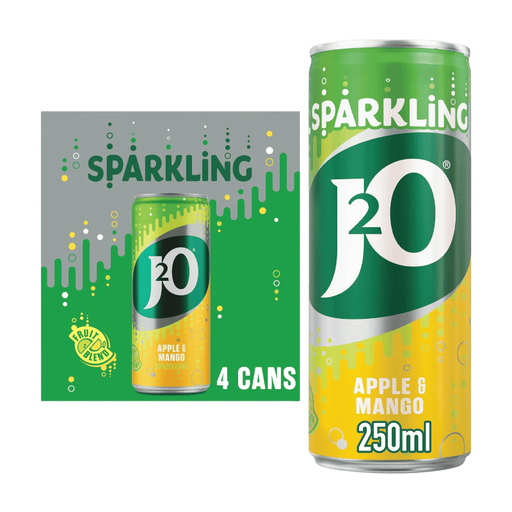
J2O Sparkling Apple & Mango, 4 × 250ml
Consider this if you want a sparkling apple-and-mango drink rather than a product named as pure apple juice. The pack contains four 250ml servings. Check the current ingredients and nutrition panel, including protein, before deciding what food to have alongside it.
View on Joybuy
 No image available
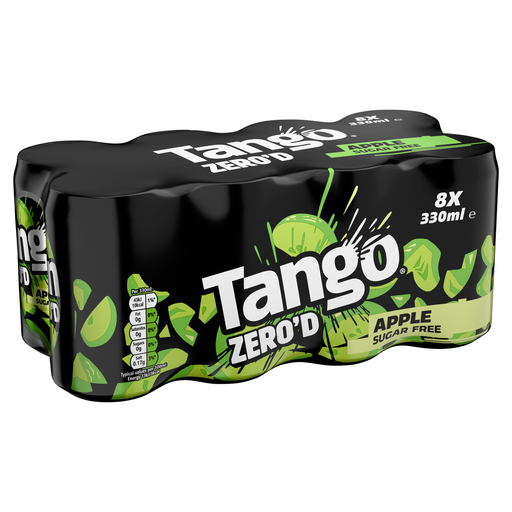
Tango Sugar Free Apple, 8 × 330ml
An apple-flavoured option to compare when pure juice is not the aim. The pack contains eight 330ml cans. Read the current ingredient and nutrition information rather than using the product name to judge its juice content or its role alongside post-exercise food.
View on Joybuy
Questions about post-gym apple drinks
Is sparkling apple juice enough for a post-gym snack?
Do not assume it is: the reviewed sparkling apple juices provide carbohydrate but negligible or very little protein. University College London Hospitals NHS Foundation Trust describes carbohydrate-and-protein snacks for use around exercise, while the British Dietetic Association emphasises prompt carbohydrate refuelling when quick recovery is required. Choose food as well if you want a snack containing both.
What size of 100% sparkling apple juice should I choose?
A 150ml serving is easiest to fit within NHS guidance to limit fruit juice and smoothies to a combined 150ml a day. The NHS also advises having juice at mealtimes rather than drinking it between meals, so a post-gym drink is not automatically a suitable occasion for juice.
Does ‘no added sugar’ mean sparkling apple juice contains few sugars?
No: fruit juice can contain free sugars without added sugar. The NHS counts juice sugars as free sugars, and Sainsbury's lists 10.5g sugars per 100ml for Appletiser 150ml and 26g per 250ml serving for a larger-format listing. Check the serving you will actually drink.
What if I need to check ingredients or allergens?
Read the current pack for the particular drink, especially if its sweeteners, flavourings or other ingredients matter to you. GOV.UK states that UK food businesses must tell consumers when any of the 14 regulated allergens is an ingredient in a food or drink product.


