Apple juice can be the drink in a post-gym snack, but pair it with a protein-containing food rather than relying on juice alone: Tropicana UK lists 17g carbohydrate and 0.3g protein per 150ml of Orchard Apple. If you choose juice, NHS guidance advises limiting fruit juice and smoothies to a combined 150ml a day and having them at mealtimes; check a drink’s nutrition label rather than assuming ‘no added sugar’ means sugar-free.
Who is this choice for?
Gym-goers choosing a drink with their snack
If you want apple juice after training, consider what food will accompany it. Tropicana UK lists just 0.3g protein per 150ml of Orchard Apple, while the North East and North Cumbria Prehabilitation Hub advises including protein in a post-exercise snack.
Shoppers comparing sugar labels
Compare the sugars per serving and the ingredient list on the exact drink. A 100% juice can contain sugars, and ‘no added sugar’ does not, by itself, tell you the drink’s total sugar content.
People planning when to have juice
NHS guidance advises a combined limit of 150ml a day for fruit juice and smoothies and recommends having them at mealtimes. That matters if your usual post-gym snack falls between meals.
What should you check?
Decide whether you want juice, a differently labelled apple drink or a snack without juice; then compare the serving and nutrition information for the product you would actually use.
Apple juice with food
Consider it when: You want juice as the drink alongside a protein-containing food.
Bear in mind: NHS guidance limits combined juice and smoothie intake to 150ml a day and advises having it at a meal.
No-added-sugar apple drink
Consider it when: You are willing to compare the current ingredients and sugars per serving with those of juice.
Bear in mind: ‘No added sugar’ is not the same statement as ‘sugar-free’; the nutrition panel determines the comparison.
Snack with water instead
Consider it when: You would rather choose a protein-containing food without making juice part of the snack.
Bear in mind: This forgoes the apple-juice drink; check the food’s ingredients and serving information on its own terms.
| Priority | What to check | Your needs |
|---|
| Snack composition |
Check protein and carbohydrate per stated serving. Tropicana UK lists 17g carbohydrate and 0.3g protein per 150ml of Orchard Apple; the North East and North Cumbria Prehabilitation Hub advises adding protein to a post-exercise snack. |
If I want juice after training, I also want to decide which protein-containing food to have with it. |
| Serving and timing |
Check the amount you intend to pour. NHS guidance limits fruit juice and smoothies to a combined 150ml a day, says 150ml counts once towards 5 A Day and advises having juice at mealtimes. |
My post-gym drink needs to fit with any other juice or smoothie I have that day, particularly if I usually snack between meals. |
| Sugars |
Compare sugars and carbohydrate on the same serving basis. Tropicana UK lists 15g sugars per 150ml of Orchard Apple; check the current panel before comparing another product. |
I want to know the sugars in the portion I will drink, not rely on ‘100% juice’ or ‘no added sugar’ as a shortcut. |
| Product type |
Read the product description and ingredients. Tesco Groceries lists 100% pressed apple juice and a no-added-sugar apple juice drink as distinct products. |
If I am choosing between juice and an apple drink, I want to know which one I am buying before comparing their labels. |
Common buying mistakes
-
Using juice as the whole post-gym snack
Tropicana UK lists 0.3g protein per 150ml of Orchard Apple. The North East and North Cumbria Prehabilitation Hub advises adding protein to a post-exercise snack.
If you choose juice, decide which protein-containing food will accompany it.
-
Overlooking the sugars in 100% juice
Tropicana UK lists 15g sugars per 150ml of Orchard Apple. NHS guidance also notes that juicing releases sugars that can damage teeth.
Check sugars for the portion you will drink, and follow NHS advice to limit combined juice and smoothie intake to 150ml a day and have it at a meal.
-
Reading ‘no added sugar’ as ‘zero sugar’
Tesco Groceries lists a no-added-sugar apple juice drink separately from pure apple juice. The wording alone does not establish the drink’s total sugars.
Compare the current ingredients, sugars, carbohydrate and serving size before choosing between the products.
Brand and retailer references
These examples help distinguish product types and label information; a brand name alone does not establish the nutrition of every drink it sells.
Tropicana
Tropicana UK provides a per-150ml nutrition panel for Orchard Apple.
- The Orchard Apple panel lists 17g carbohydrate, 15g sugars and 0.3g protein per 150ml.
- Those figures describe Orchard Apple, not other Tropicana drinks; its protein figure does not make the juice a substitute for a protein-containing food.
Tesco
Tesco Groceries lists 100% pressed apple juice and a separately named no-added-sugar apple juice drink.
- The distinct descriptions make product type a useful first check.
- Compare the current labels before drawing conclusions about their sugars or other nutrition values.
M&S
Marks & Spencer’s apple-juice category includes clear, cloudy, pressed and blended choices.
- Its category descriptions help narrow the style of juice you want.
- Check the selected product’s own nutrition panel rather than treating a category filter as its sugar value.
Copella
Tesco Groceries lists Copella Apple Juice in a 1.35L format.
- The named format gives shoppers an identifiable product to compare.
- Use the current pack’s ingredients and nutrition panel for a serving-by-serving comparison.
Joybuy product options
These options span apple juice, other apple drinks and a protein-bar alternative for a post-gym snack. Compare their labels by product type rather than treating them as interchangeable.
 No image available
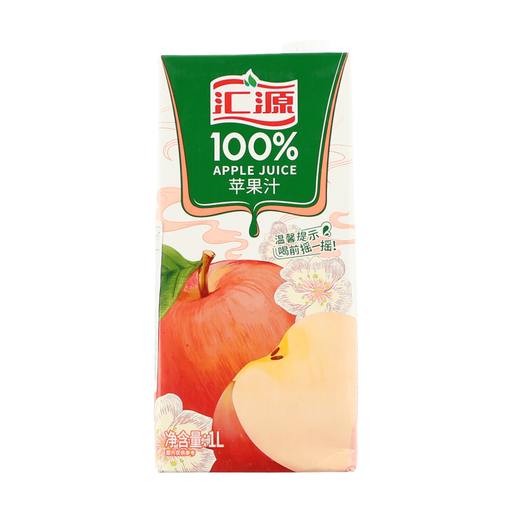
Huiyuan Apple Juice 1L
This 1L apple-juice format suits someone planning to pour a measured serving with food. Check its current nutrition label for sugars and protein, and account for any other juice or smoothies you have that day.
View on Joybuy
 No image available
Appletiser 100% Apple Juice Lightly Sparkling 6 x 250ml
This six-pack has 250ml units, so measure the amount you drink against NHS guidance on a combined 150ml daily limit for juice and smoothies. Check the label if you are comparing sugars per serving.
View on Joybuy
 No image available
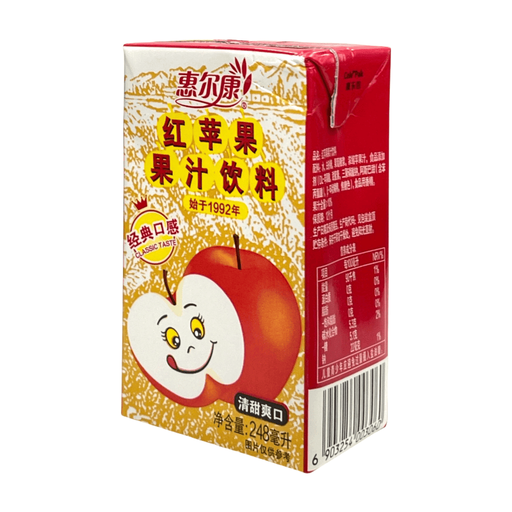
Huierkang Red Apple Juice Drink 248ml
This 248ml apple juice drink is an option to compare with juice, not a reason to assume the two have the same composition. Read its ingredients and nutrition panel, including sugars for the portion you intend to drink.
View on Joybuy
 No image available
Grenade Protein Bar Oreo Flavour, 4 x 60g
These four 60g bars belong to the snack-without-juice option, rather than the apple-drink comparison. Check the current nutrition, ingredients and allergen label to decide whether a bar fits your snack.
View on Joybuy
 No image available
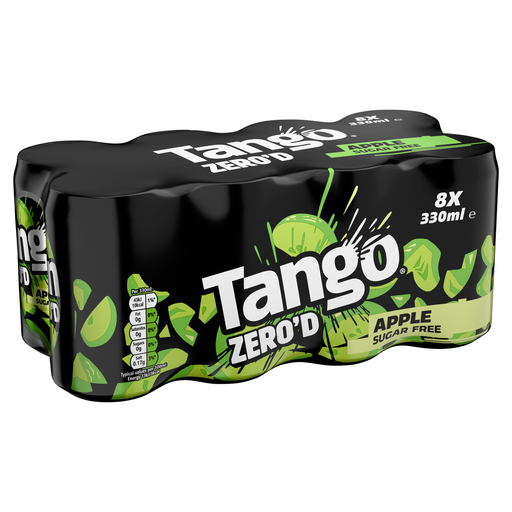
Tango Sugar Free Apple 8 x 330ml
This eight-pack of 330ml apple-flavoured drinks is for comparison with juice, not a substitute for checking what a juice contains. Read the ingredients and sugars per serving, and choose food separately if you want a post-gym snack.
View on Joybuy
Questions about apple juice after the gym
Is apple juice enough for a post-gym snack?
Choose another food alongside it if you want protein in the snack. Tropicana UK lists 17g carbohydrate but only 0.3g protein per 150ml of Orchard Apple, and the North East and North Cumbria Prehabilitation Hub advises adding protein to a post-exercise snack.
How much apple juice fits NHS guidance?
The NHS advises limiting fruit juice and smoothies to a combined 150ml a day. It says 150ml counts once towards 5 A Day and recommends having juice at mealtimes rather than as a between-meal drink.
Does 100% apple juice contain sugars?
It can: Tropicana UK lists 15g sugars per 150ml of Orchard Apple. Check the sugars and carbohydrate values for the serving you intend to drink rather than using ‘100%’ as a sugar comparison.
Is a no-added-sugar apple juice drink sugar-free?
Do not assume so from the name. Tesco Groceries lists a no-added-sugar apple juice drink separately from pure apple juice; check the drink’s current ingredients, sugars and serving size before comparing it with juice.


