For a routine after-school drink, choose water or unsweetened milk, as the NHS advises for young children. If you serve apple juice, measure it, offer it with a meal and keep all fruit juice and smoothies to the NHS’s combined limit of 150ml a day; “no added sugar” does not mean sugar-free. Choose 100% juice when pure apple juice matters, or compare a diluted apple squash when the sugars in the prepared drink and its ingredients matter more.
Who is this choice for?
Families choosing an everyday drink
If a child is thirsty after school, the first decision is whether they need juice at all. The NHS recommends water or unsweetened milk for young children; save juice for a measured serving with a meal rather than making it the routine between-meal drink.
Families looking for pure apple juice
A 100% apple juice is a different purchase from an apple-flavoured juice drink or squash. Check the product name and ingredients, then account for any other juice or smoothie the child has had that day within the NHS’s combined 150ml daily limit.
Families comparing prepared drinks
If the amount of sugar in the drink served is the priority, compare nutrition on that basis. A squash needs to be diluted as directed, and its ingredient and allergen declarations may matter as much as its front-of-pack wording.
What should you check?
Decide whether this is an everyday thirst drink or a serving of juice with food, then compare labels on the amount that will actually be poured.
| Priority |
What to check |
Your needs |
| Everyday drink |
Decide whether the drink is for routine thirst or part of a meal. The NHS recommends water or unsweetened milk for young children and advises serving fruit juice with meals. |
For an ordinary after-school drink between meals, I can offer water or unsweetened milk instead of juice. |
| Product type |
Read the name and ingredients to distinguish 100% apple juice from a mixed-fruit drink or dilutable squash. A “no added sugar” claim does not tell you the total sugars in a serving. |
If I want pure apple juice, I need to check that the product is juice rather than assume every apple-labelled drink is equivalent. |
| Sugars served |
Compare “of which sugars” for the amount to be drunk. For squash, follow the dilution directions and use nutrition figures for the prepared drink, not an unmatched measure of concentrate. |
When comparing an apple juice with a squash, the sugar figure needs to describe the drink I will serve. |
| Juice portion |
Measure the serving and count any other fruit juice or smoothie consumed that day. The NHS advises no more than 150ml a day in total from fruit juice and smoothies for children and adults. |
A large carton, bottle or can does not set my child’s serving size; I need to pour an amount that fits the day’s total. |
| Ingredients |
Check sweeteners and allergen declarations when switching from juice to an apple-based drink or squash. Check the pack size separately from the amount you intend to serve. |
If I am choosing a different formulation, I want to know what is in it as well as how it is packaged. |
Common mistakes to avoid
-
Reading “no added sugar” as “sugar-free”
Apple juice can contain sugars from the fruit even when none has been added. The claim alone cannot tell you how much sugar is in the glass.
Read “of which sugars” for a realistic serving, and check whether the product is pure juice, a juice drink or a squash.
-
Pouring a child’s serving straight from a large pack
Pack size is not a serving recommendation. The NHS’s 150ml daily limit combines fruit juice and smoothies, including any consumed earlier in the day.
Measure the portion and account for other juice or smoothies before offering it with a meal.
-
Comparing squash concentrate with ready-to-drink juice
A concentrate and a prepared drink are not the same quantity. The M&S apple-and-elderflower high-juice listing on Ocado directs shoppers to dilute one part squash with four parts water.
Prepare squash according to its label and compare sugars for the amount of finished drink served.
-
Skipping the ingredients when changing drink type
A no-added-sugar apple-based drink need not have the same ingredients as 100% apple juice. Sweeteners and allergen declarations can affect which product a household chooses.
Read the full ingredients and allergen information on the product you intend to buy.
Brand and retailer examples
These examples illustrate different apple-drink formulations; a brand name alone does not establish the ingredients or nutrition of every product it sells.
Tropicana
Tesco Groceries lists Tropicana Pressed Apple Fruit Juice as 100% pressed juice, not from concentrate.
- An example to compare when the aim is 100% apple juice.
- Pure juice still counts towards the NHS’s combined 150ml daily fruit-juice-and-smoothie limit.
Copella
The Copella apple-juice example in Tesco Groceries is a 900ml bottle, offering a different pack size from a larger family carton.
- A bottle size to consider alongside how much the household will use.
- Measure a child’s juice serving rather than using the bottle size as a portion guide.
M&S
Ocado lists both M&S apple juice and a no-added-sugar apple-and-elderflower high-juice squash. They are different types of drink.
- The squash label directs a one-part-to-four-parts dilution, giving a clear basis for preparing the drink before comparing servings.
- Check the finished drink’s nutrition, ingredients and allergen declaration rather than treating the squash as 100% apple juice.
Tesco
Tesco Groceries lists own-label pressed apple juice alongside branded apple-juice products.
- The product name and label let shoppers check whether a particular option is 100% juice.
- Compare the ingredients and sugars on the specific pack; an own-label range can contain more than one formulation.
Apple-based drinks on Joybuy
These options include apple juice and apple-based ready-to-drink alternatives for the after-school decision. Their pack formats differ, so check the label and measure a child’s serving rather than treating an entire carton, bottle or can as the intended portion.
 No image available
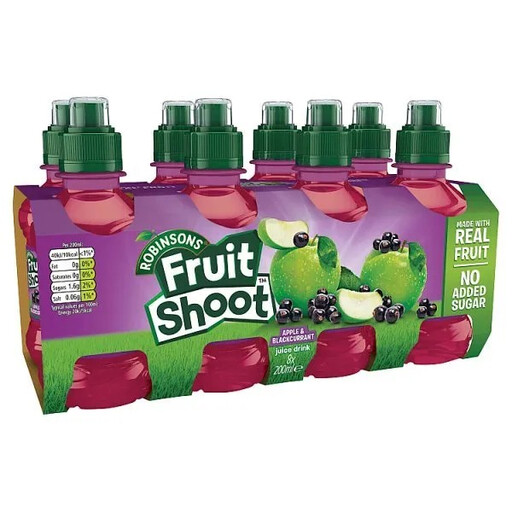
Fruit Shoot Black & Apple No Added Sugar 8 × 200ml
This mixed-fruit drink is an alternative to pure apple juice in eight individual bottles. Check the ingredients if sweeteners matter to your household; the product warning says its caps contain small parts and it is unsuitable for children under 36 months.
View on Joybuy
 No image available
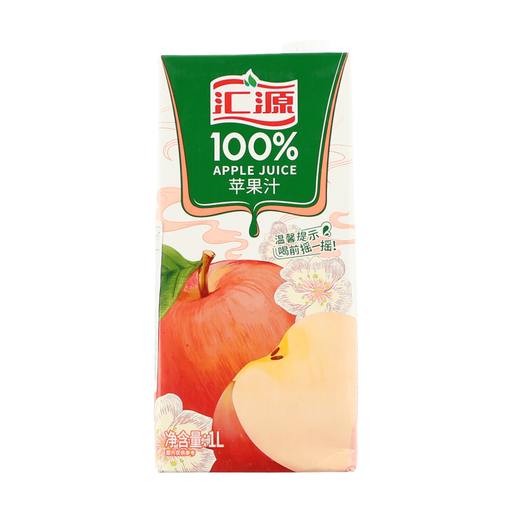
Huiyuan Apple Juice 1L
If you are choosing apple juice rather than a mixed-fruit drink, check the pack’s ingredients and sugars per serving. A 1L pack needs portioning for a child: the NHS advises a combined maximum of 150ml a day from fruit juice and smoothies, served with a meal.
View on Joybuy
 No image available
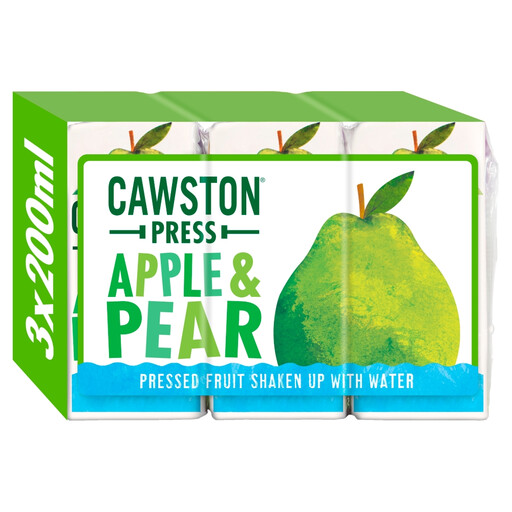
Cawston Press Apple & Pear Fruit Water 3 × 200ml
This apple-and-pear fruit water comes in three cartons and is not an apple-juice-only choice. Compare its ingredients and sugars for the amount you plan to serve; a 200ml carton is a pack format, not a child-specific serving recommendation.
View on Joybuy
 No image available
Appletiser 100% Apple Juice Lightly Sparkling 6 × 250ml
This is a lightly sparkling 100% apple-juice option. Each 250ml can exceeds the NHS’s combined 150ml daily limit for fruit juice and smoothies, so measure a child’s portion and serve juice with a meal rather than treating a can as one serving.
View on Joybuy
Questions about after-school drinks
Does “no added sugar” mean apple juice is sugar-free?
No. Apple juice can contain sugars from the fruit even when no sugar has been added. Check “of which sugars” on the nutrition panel for the serving you intend to pour, rather than relying on the front-of-pack claim.
How much apple juice can a child have after school?
The NHS advises no more than 150ml a day in total from fruit juice and smoothies for children and adults. Count any juice or smoothie already consumed that day, measure the apple juice and offer it with a meal.
Is juice a good routine between-meal drink?
For routine thirst, the NHS recommends water or unsweetened milk for young children. If you offer fruit juice, keep it to a meal rather than using it as the regular between-meal drink.
How should I compare pure apple juice with squash?
Compare the drink as served: apple juice is ready to pour, while squash needs to be diluted according to its label. Then check sugars for the prepared serving, along with the ingredients and allergen declaration; a no-added-sugar squash is not the same product as 100% apple juice.


