Hosts planning for a long gathering
If guests will refill their cups throughout the afternoon, keep water available separately from apple juice. The NHS advises limiting fruit juice and smoothies to a combined 150ml a day.


Choose 100% apple juice for guests who want a pure-juice drink, but pour small servings rather than using it for repeated refills: the NHS says sugars in unsweetened fruit juice count as free sugars and advises limiting juice and smoothies to a combined 150ml a day. If lower listed sugars matter more than a pure-juice formulation, compare no-added-sugar juice drinks per 100ml and check their ingredients for sweeteners. Keep water available throughout the BBQ; a sugar-free alternative need not be apple juice.
If guests will refill their cups throughout the afternoon, keep water available separately from apple juice. The NHS advises limiting fruit juice and smoothies to a combined 150ml a day.
A pressed or not-from-concentrate juice may suit a preference for a pure-juice drink. Check the pack’s sugars per 100ml and pour a small serving rather than treating it as an all-afternoon refill.
Individual packs can make portions easier to plan. Check the drink’s sugars and ingredients, and take note of any age-related warnings on its packaging.
Choose it when: Guests want a pure apple-juice drink in a small serving with food.
Bear in mind: The NHS counts sugars in unsweetened fruit juice as free sugars and advises a combined daily limit of 150ml for juice and smoothies.
Choose it when: The nutrition panel shows the sugars per serving you are looking for, and pure juice is not essential.
Bear in mind: A juice drink may contain water and sweetener. Asda Groceries lists both, alongside apple and pear juice from concentrate, in its Apple & Pear Juice Drink.
Choose it when: Guests need a drink they can return to throughout the BBQ without repeated servings of juice.
Bear in mind: Water does not provide apple-juice flavour; check the ingredients of flavoured alternatives if that distinction matters to your guests.
Choose the drink type first, then compare the nutrition panel, serving size and ingredients on the exact pack.
| Priority | What to check | Your needs |
|---|---|---|
| Sugars and energy | Compare sugars and energy per 100ml, then consider the amount you will pour. Asda Groceries lists 11g sugars and 49kcal per 100ml for its 1L apple juice. | I want to compare drinks on the same volume before choosing what to serve in BBQ-sized cups. |
| Label wording | Read the “of which sugars” line as well as any “no added sugar” wording. Check the ingredients for sweeteners and fruit-juice content. | A no-added-sugar label alone will not tell me whether a drink has zero sugars. |
| Juice serving | For fruit juice, plan the amount poured. The NHS advises limiting fruit juice and smoothies to a combined 150ml a day and counts sugars in unsweetened juice as free sugars. | I would like to offer pure apple juice with food without making large, repeated pours the default. |
| Drink formulation | Check whether the pack says 100% juice or juice drink, then read the ingredients. Tropicana describes Orchard Apple as 100% pressed juice; Asda Groceries lists water, apple and pear juice from concentrate, and sucralose in its Apple & Pear Juice Drink. | Pure apple juice matters to some guests; for others, the drink’s listed sugars matter more. |
| Outdoor serving | Check pack size, storage instructions and any cap warnings before putting drinks out for guests. | Individual packs could simplify serving, but I still need to choose a suitable pack for the people attending. |
The wording does not replace the sugars figure on the nutrition panel. A juice drink can also contain sweetener or fruit juice from concentrate.
Compare “of which sugars” per 100ml and read the ingredients before describing or serving the drink as a sugar-free option.
The NHS counts sugars in unsweetened fruit juice as free sugars and advises limiting juice and smoothies to a combined 150ml a day.
Put water where guests can refill their cups, and offer 100% apple juice in a small glass with food.
Those descriptions do not tell you the sugars figure. Copella lists 10g sugars per 100ml for Cloudy Apple, while Asda Groceries lists 11g per 100ml for its apple juice.
Choose the style you want, then use the nutrition panels to compare sugars on the same per-100ml basis.
Storage directions and packaging warnings matter when drinks will be served away from the kitchen, particularly if children can reach individual bottles.
Read the exact pack’s storage and cap warnings before the BBQ, and follow its instructions once opened.
Tropicana describes Orchard Apple as 100% pressed, not-from-concentrate apple juice.
Copella’s Cloudy Apple is a pressed apple-juice option.
Asda Groceries lists both an apple juice and a separate Apple & Pear Juice Drink.
M&S lists an own-label 200ml apple juice.
These options include apple-flavoured soft drinks, an apple-containing juice drink, flavoured water and a 100% apple-juice drink. They serve different preferences at a BBQ, so check the drink type before comparing pack sizes.
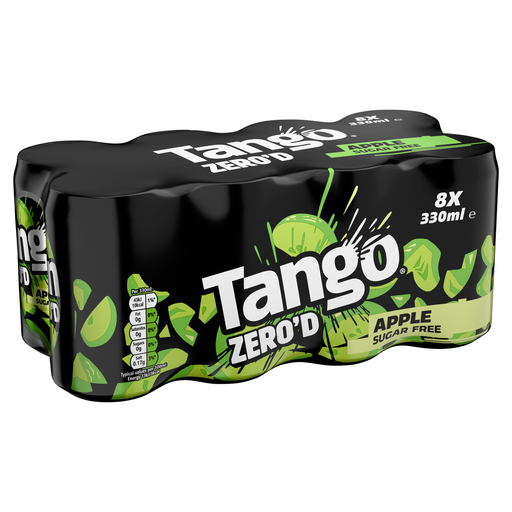 No image available
An individually canned, apple-flavoured soft drink for guests who prefer a fizzy option. It is not 100% apple juice and contains sweeteners; check the ingredients for your guests.
 No image available
The 24-can pack offers individual apple-flavoured soft drinks for a larger gathering. This is a carbonated drink, not pure apple juice, and it contains sweeteners; check the ingredients for your guests.
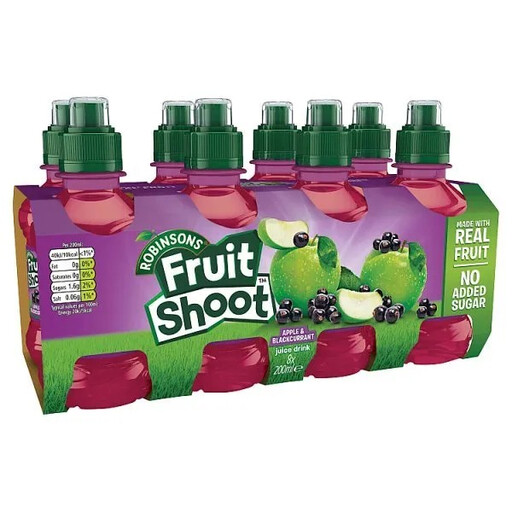 No image available
The individual bottles suit a BBQ where guests want a blackcurrant-and-apple drink rather than pure apple juice. “No added sugar” does not mean zero sugars; check the nutrition panel. The cap carries a small-parts warning for children under 36 months.
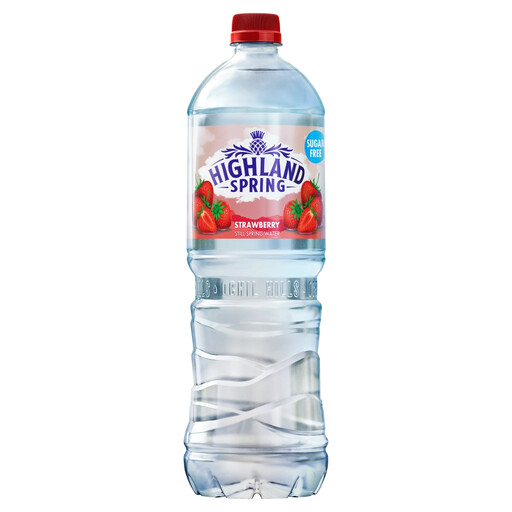 No image available
A still, strawberry-flavoured option to serve instead of apple drinks. It contains sucralose and sulphites, and its cap carries a small-parts warning for children under 36 months; check the pack’s storage instructions after opening.
 No image available
A sparkling 100% apple-juice option for guests who prefer juice to an apple-flavoured soft drink. It is not presented as a reduced-sugar option. Each listed 250ml drink is larger than the NHS’s advised combined daily limit of 150ml for fruit juice and smoothies, so plan pours accordingly.
No. “No added sugar” does not tell you the drink’s total sugars. Read “of which sugars” on the nutrition panel and check the ingredients for juice and sweeteners before choosing it as a sugar-free alternative.
Plan a small serving rather than a refillable cup. The NHS advises limiting fruit juice and smoothies to a combined 150ml a day and counts sugars in unsweetened fruit juice as free sugars.
Compare the nutrition panels per 100ml, then read the ingredients to see what you are serving. For example, Asda Groceries lists 11g sugars and 49kcal per 100ml for its apple juice; its separate Apple & Pear Juice Drink lists water, juice from concentrate and sucralose. Use each pack’s own figures for a like-for-like comparison.
Check the exact pack’s storage directions, serving size and any cap warnings. Keep water available for refills, and pour juice in small amounts rather than assuming an individual pack is the serving you intend to offer.