What should you check before buying?
Start with the drink type, then compare labels at the same serving volume and check how each pack will be served and stored.
| Priority | What to check | Your needs |
|---|
| Sugars and wording |
Compare sugars per 150ml, not unlike serving sizes. Tesco and Sainsbury’s each list 3.9g per 150ml for their cited no-added-sugar Apple & Pear Juice Drinks; both contain sweeteners and still contain sugar. |
I want to offer a drink with less sugar per glass without calling it sugar-free or passing it off as pure apple juice. |
| Juice content |
Read the product description and ingredients. Tropicana describes Orchard Apple as 100% pressed juice; Tesco’s cited drink contains water, 20% apple juice from concentrate and 5% pear juice. |
Guests expecting apple juice should be able to identify the 100% juice option separately from an apple and pear juice drink. |
| Portion size |
Check the volume of glasses, dispenser measures or sealed packs. The NHS advises limiting fruit juice and smoothies to one small 150ml glass a day, taken with a meal. |
For a self-pour station, I want the serving size to be clear rather than assuming every glass or bottle holds 150ml. |
| Storage and service |
Follow the exact pack’s unopened and opened-storage instructions. The cited Asda juice says it is best used within four days of opening; the cited 1.8L Tropicana listing says to use it within five days. |
I need a pack format that works for breakfast service and a way to record when each opened pack must be used. |
| Ingredients and allergens |
Check the delivered label before displaying or decanting a drink, and keep its allergen information available. Formulations differ: Sainsbury’s separate Apple High Juice Squash lists sulphites. |
When a guest asks about a drink, our team needs information for that exact product, not an assumption about all apple drinks. |
Relevant brand and retailer ranges
These cited products illustrate different formulations and pack formats; check the particular item rather than treating a brand name as a drink type.
Tropicana
Orchard Apple is a pressed, not-from-concentrate option for a 100% juice station.
- Tropicana lists 15g sugars per 150ml.
- It is not a zero-sugar option. The cited 1.8L listing requires refrigeration and use within five days of opening.
Copella
Cloudy Apple is a pressed apple juice containing ascorbic acid.
- Copella lists 15g sugars per 150ml and offers several bottle sizes.
- Choose the pack size and follow its own opened-storage instructions; pressed juice is not sugar-free.
Tesco
The cited No Added Sugar Apple & Pear Juice Drink is an additional drink option, not a pure-juice substitute.
- Tesco lists 3.9g sugars per 150ml for this 1L drink.
- Its ingredients include water, 20% apple juice, 5% pear juice and sucralose.
Sainsbury’s
The cited No Added Sugar Apple & Pear Juice Drink is distinct from the retailer’s concentrated apple squash.
- The Apple & Pear Juice Drink lists 3.9g sugars per 150ml.
- That drink contains sweeteners and 25% fruit juice in total. The separate Apple High Juice Squash lists sulphites, so check the exact product.
Asda
The cited 1L Apple Juice is described by Asda as 100% pure pressed and never from concentrate.
- Its label lists 16g sugars per 150ml.
- It is not a lower-sugar drink option; Asda says to refrigerate after opening and that it is best used within four days.
M&S
The cited 200ml cloudy apple juice offers an individual pack that can be kept in a cool, dry place before opening.
- The pack size may suit a buffet serving sealed drinks.
- M&S lists 10.3g sugars per 100g; the pack format does not make it a zero-sugar choice.
Joybuy options for the buffet
These options cover a sparkling 100% apple juice and individual apple-containing soft drinks. Keep the soft drinks separate from a still, pure apple-juice offer when planning the buffet.
 No image available
Appletiser 100% Apple Juice Lightly Sparkling 6 × 250ml
A sparkling apple-juice option for guests who want juice rather than a still apple drink. Each 250ml can is larger than the NHS’s 150ml daily fruit-juice portion guidance; check the delivered label before buffet service.
View on Joybuy
 No image available
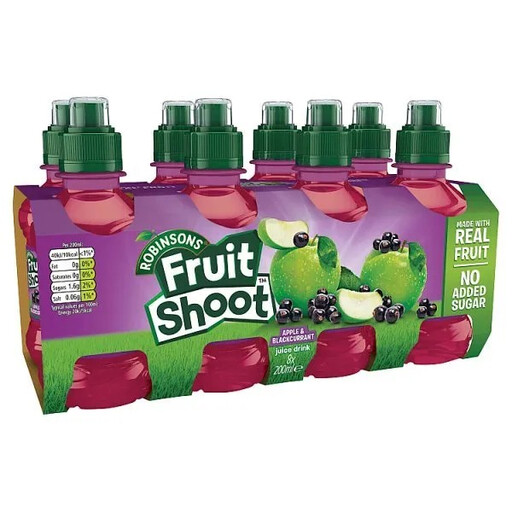
Fruit Shoot Black & Apple No Added Sugar 8 × 200ml
Individual bottles provide a no-added-sugar blackcurrant-and-apple drink alongside the juice station. This is a soft drink, not pure apple juice; check the delivered ingredients and storage instructions before serving.
View on Joybuy
 No image available
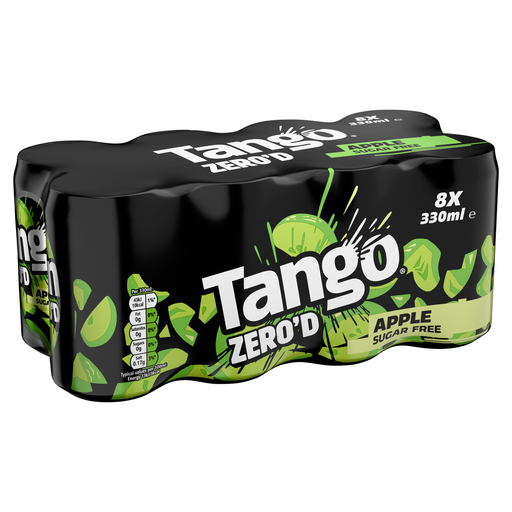
Tango Sugar Free Apple 8 × 330ml
An apple-flavoured canned soft drink for a separate sugar-free drinks choice, not a replacement for 100% apple juice. Keep its description distinct on the buffet and check the delivered label for ingredients and allergens.
View on Joybuy
 No image available
Tango Apple Sugar-Free 24 × 330ml cans
This larger multipack serves the same separate apple-flavoured soft-drink role, with 330ml cans rather than juice-sized portions. Do not label it as pure apple juice; check the received pack before service.
View on Joybuy
Frequently asked questions
Does ‘no added sugar’ mean an apple drink is sugar-free?
No. Tesco and Sainsbury’s each list 3.9g sugars per 150ml for their cited No Added Sugar Apple & Pear Juice Drinks. Both contain sweeteners and are juice drinks rather than 100% apple juice.
Should a hotel serve pure apple juice or an apple juice drink?
Serve 100% apple juice if a pure-juice option is the aim; add a clearly identified juice drink if guests also need a choice with less sugar per comparable glass. The cited pure juices list 15–16g sugars per 150ml, while the cited Tesco and Sainsbury’s no-added-sugar Apple & Pear Juice Drinks each list 3.9g per 150ml and contain sweeteners.
What fruit-juice portion should the buffet make clear?
The NHS advises limiting fruit juice and smoothies to one small 150ml glass a day and having it with a meal because they are high in sugar. If using glasses, dispensers or sealed packs, make their actual volumes clear rather than assuming they hold 150ml.
How long can an opened pack be kept?
Follow the instructions on the exact pack delivered. The cited Tesco Apple & Pear Juice Drink and 1.8L Tropicana listing say to refrigerate and use within five days of opening; the cited Sainsbury’s Apple & Pear Juice Drink specifies four days, while Asda says its apple juice is best used within four days.
What should staff check before displaying or decanting apple drinks?
Check the delivered product’s name, ingredients, allergens and storage instructions, and keep its allergen information available to guests. Food Standards Agency guidance addresses allergen information for both prepacked and non-prepacked food and drink; the exact product matters, as Sainsbury’s separate Apple High Juice Squash lists sulphites.


