
24/7 Customer Support

Free returns

Same-day & Next-day Delivery

Quality Guaranteed

Unlock Your Welcome Offers: FREE Delivery | Up to 80% OFF | Free 30-day JoyPlus trial
Download the APP
Navigating the drinks aisle to buy apple juice online can feel surprisingly complex. Shelves are filled with options that look similar but are vastly different in quality, content and price. It is easy to end up with a product that doesn't meet your expectations, whether you are looking for a healthy family drink or a refreshing treat.
As the Joybuy Product Recommendation Officer, my role is to help you see past the confusing labels and marketing claims. Many shoppers fall into common pitfalls, such as mistaking a sugary "juice drink" for the real thing or being unsure about what "from concentrate" truly means for quality. This guide will clarify these points, helping you make an informed choice that suits your household's needs and budget.
Before adding a bottle or carton to your basket, be aware of these common issues that can lead to a disappointing purchase:
To ensure you get exactly what you want, focus on these three key factors on the product label.
This is the most important indicator of quality. In the UK, juice labelling is regulated, and the terms have specific meanings:
Look beyond the front-of-pack claims. The ingredients list will tell you the full story.
Consider how and when you will be drinking the apple juice.
Here are a few options that align with different needs, helping you avoid the common traps.
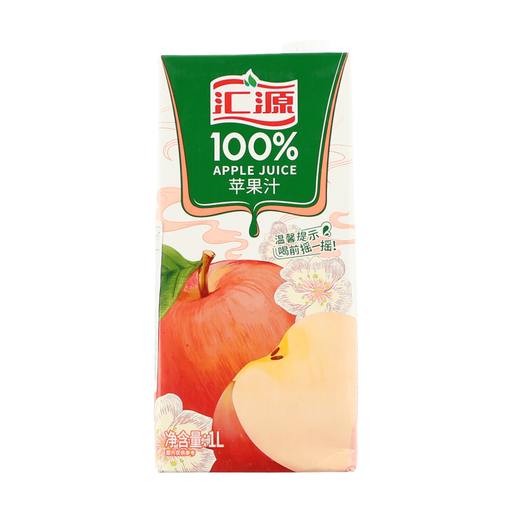
Why This Fits Their Persona: This is an excellent choice for UK households seeking a straightforward, pure juice for daily consumption. The 1-litre carton is practical for family breakfasts, and its simple composition appeals to those who want to avoid unnecessary additives.
It is clearly labelled as 100% juice content with no added sugar, just water and apple juice concentrate. This avoids the "juice drink" pitfall entirely, delivering exactly what it promises.
Pure and simple ingredients list. The 1-litre apple juice format offers good value for regular use.
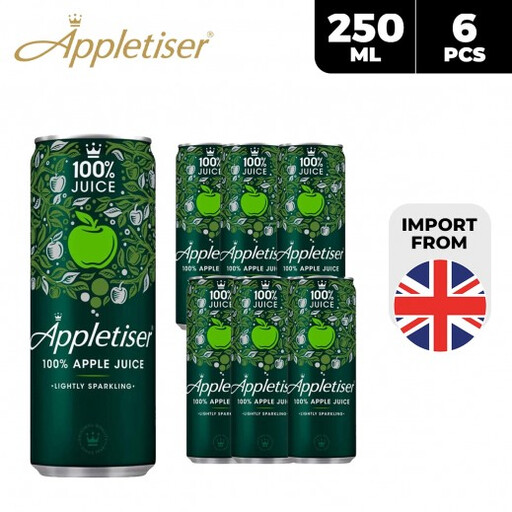
Why This Fits Their Persona: For those hosting a dinner party or seeking a refined non-alcoholic option, this sparkling apple juice is ideal. It feels more special than still juice and serves as an excellent celebratory drink for all ages.
Despite being a fizzy drink, it is made from 100% apple juice from concentrate. It contains no added sugars or sweeteners, just the natural crispness of apples with a gentle sparkle.
A sophisticated alternative to standard soft drinks. The multi-pack of 250ml cans is convenient for serving guests.
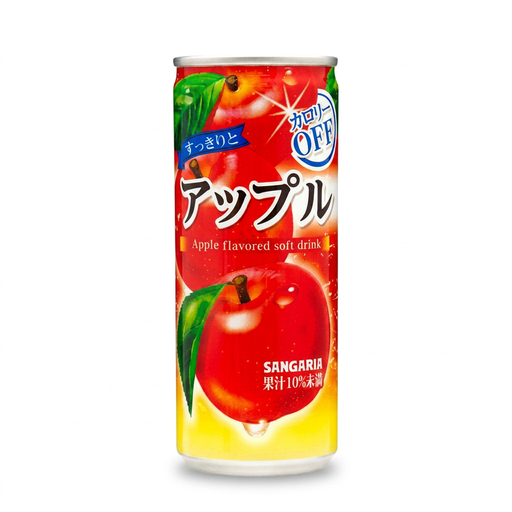
Why This Fits Their Persona: For someone who needs a quick, refreshing drink to pack in a bag for work or a day out, this 240ml can is perfectly sized. It offers a light, convenient refreshment from a popular Japanese brand.
By understanding the label, you know this is a 50% juice drink, not 100% juice. This allows you to make an informed choice, prioritising convenience and a specific taste profile over maximum juice content.
Compact, single-serving can is highly portable. It offers a lighter, different flavour profile compared to 100% juices.
We have compiled a complete, real-time list of products that fully satisfy these strict selection criteria and UK safety regulations.
No, not necessarily. "From concentrate" simply means that most of the water was removed from the juice in its country of origin to make it easier and more economical to transport. It is then rehydrated with water before being packaged. The nutritional value of 100% juice from concentrate is very similar to that of juice not from concentrate. The key is to ensure it is 100% apple juice with no added sugars.
The main difference is the percentage of actual fruit juice. In the UK, a product labelled "apple juice" must contain 100% juice. An "apple nectar," however, is only required to have a minimum of 50% juice content and usually contains added water and sugar or sweeteners to achieve its taste and consistency.
Once opened, a carton of apple juice should be kept refrigerated and is typically good for 7 to 10 days. However, always check the packaging for the manufacturer's specific recommendation. If the juice develops an off-odour, flavour or appearance, it should be discarded.