For individual drinks during the football, cans avoid pouring, but check the juice content rather than assuming every apple drink is 100% juice. Cawston Press’s four-pack contains 49% pressed apple juice and sparkling water, while the listed Appletiser six-pack is labelled 100% apple juice from concentrate. If cans are less important than small portions of pure juice, Sainsbury’s three-pack of 200ml cartons is another format to consider; larger bottles make more sense when viewers will share drinks in glasses.
Who is each format for?
The useful distinction for a football gathering is whether guests need individual cans, smaller servings of pure juice or a bottle to share.
Hosts serving individual drinks
A can can be chilled and handed to each viewer without glasses. Cawston Press lists four 250ml sparkling apple-drink cans per multipack; its stated juice content is 49%, so the format should not be mistaken for pure apple juice.
Shoppers choosing by juice content
If 100% apple juice matters more than the container, Sainsbury’s lists a three-pack of 200ml cartons made with apple juice from concentrate. Check the product name and ingredients when comparing these with sparkling cans.
Buyers serving drinks in glasses
For viewers happy to pour and share, larger bottles offer a different serving arrangement from individual packs. Tesco Groceries lists a 1.5L Tropicana apple juice and a 1.35L Copella apple juice; allow for glasses and follow the bottle’s instructions after opening.
What should you check before buying?
Decide on the drink and serving format first, then compare the amount in each pack and the nutrition information for the portion someone will actually drink.
| Priority | What to check | When it matters |
|---|
| Juice content |
Read the product name, ingredients and stated juice percentage. Cawston Press specifies 49% pressed apple juice with sparkling water; Sainsbury’s describes its small cartons as 100% fruit juice from concentrate. |
I want to know whether I’m handing out pure apple juice or a sparkling apple drink. A can’s shape and fruit imagery do not settle that question. |
| Serving format |
Check the unit count and size: four 250ml cans contain 1L altogether, while three 200ml cartons contain 600ml. For a bottle, check its volume and whether you will need glasses. |
If everyone wants an individual drink without pouring, I’ll count the viewers and choose a suitable pack. If we’re sharing, a bottle may fit how we plan to serve it. |
| Sugars per drink |
Compare the nutrition panel per 100ml and for the full can or carton. Cawston Press states 4.3g sugars per 100ml, equivalent to 10.75g in its 250ml can; Sainsbury’s lists 18.4g per 200ml carton. |
I’ll compare the amount in the whole drink rather than assume a smaller carton, or a drink with no added sugar, has fewer sugars. |
| Storage and pack details |
Check the selling unit, current stock and storage instructions. Confirm how many cans or cartons will arrive, and make room to chill the drinks you intend to serve. |
For a planned match, I need enough drinks for the group. Any bottles or cartons opened on the day also need to be stored according to their labels. |
Common buying mistakes
-
Assuming every apple can is pure juice
Cawston Press’s sparkling cans contain 49% pressed apple juice and sparkling water. They meet a different preference from a 100% apple-juice carton.
Check the exact drink name, ingredient list and juice percentage before choosing by container alone.
-
Counting units without checking their size
Four 250ml cans provide 1L in total; three 200ml cartons provide 600ml. Pack count alone cannot tell you how much drink you are buying.
Match both the number of individual servings and the volume of each to your group.
-
Reading “no added sugar” as “sugar-free”
Cawston Press describes its sparkling apple drink as having no added sugar or sweeteners, yet its nutrition information lists 4.3g sugars per 100ml. The NHS also classifies sugars in unsweetened fruit juice as free sugars.
Use the sugars line on the nutrition panel, including the amount for a full can or carton, when comparing drinks.
-
Planning around a listing without checking the pack
A retailer’s stock position and selling unit can affect whether you have enough drinks for the match.
Confirm current availability and the exact number and size of containers before ordering.
Relevant brand and retailer options
These examples show why an apple-drink search can lead to different formulations and containers; a brand name alone does not establish the pack format.
Cawston Press
Cawston Press lists Sparkling Cloudy Apple as a multipack of four 250ml cans.
- Individual sparkling servings suit a no-pour arrangement.
- The stated formulation contains 49% pressed apple juice and sparkling water, not 100% apple juice.
Sainsbury's
Sainsbury’s lists Pure Apple Juice as three 200ml cartons made with 100% fruit juice from concentrate.
- The small cartons provide individual portions when juice content takes priority.
- They are cartons rather than cans; the listed sugars amount is 18.4g per carton.
Copella
A 1.35L Copella apple juice appears in Tesco Groceries’ apple-juice listing.
- The bottle format can be poured into glasses for several viewers.
- It does not provide the separate, no-pour servings of a can multipack.
Tropicana
Tesco Groceries lists a 1.5L Tropicana pressed apple juice.
- The larger bottle is an option when guests will share drinks in glasses.
- Check the particular bottle’s label and storage instructions rather than treating it as an individual can option.
Apple-based cans on Joybuy
These are canned apple and apple-flavoured drinks for individual servings during the football. Their names identify different juice claims, flavours and pack sizes, so check each product’s ingredients and nutrition panel against what you want to serve.
 No image available
Appletiser 100% Apple Juice Lightly Sparkling 6 x 250ml
Six individual 250ml cans suit a group that wants sparkling apple drinks without pouring. The product name states 100% apple juice; check the ingredients and sugars per full can when comparing it with other sparkling options.
View on Joybuy
 No image available
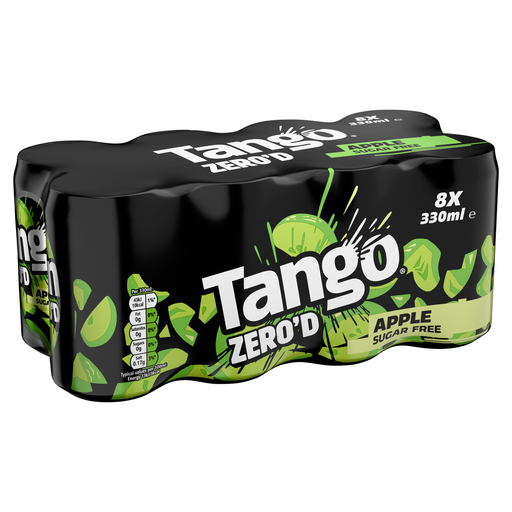
Tango Sugar Free Apple 8 x 330ml
This eight-pack gives viewers individual 330ml apple-flavoured drinks. “Sugar Free” is part of the product name, not a claim that it is pure apple juice; check its juice percentage and sweeteners if those affect your choice.
View on Joybuy
 No image available
Tango Apple Sugar-Free 24 x 330ml
The 24-can format is worth considering when many viewers want an individual apple-flavoured drink or cans will be kept for another occasion. Check storage space, the drink’s juice content and the exact pack before ordering.
View on Joybuy
 No image available
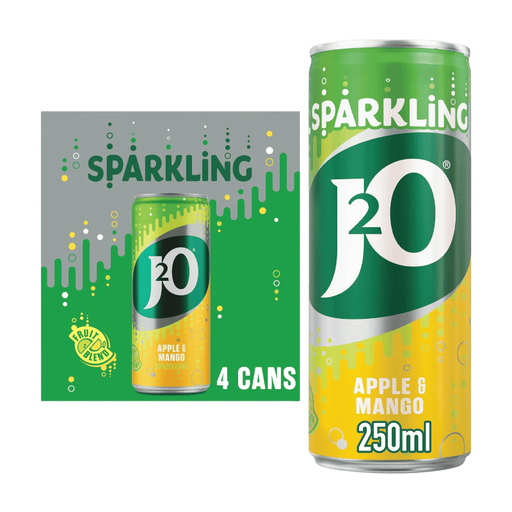
J2O Sparkling Apple & Mango 4 x 250ml
Four 250ml cans provide individual servings for viewers who want an apple-and-mango sparkling drink rather than plain apple juice. Check the ingredient list and nutrition panel for the full can when comparing flavours.
View on Joybuy
 No image available
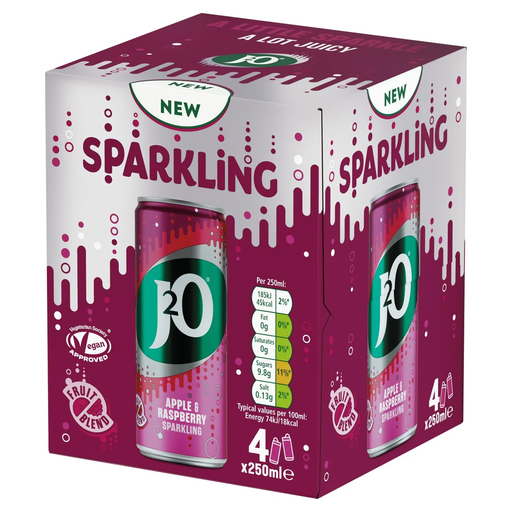
J2O Sparkling Apple & Raspberry 4 x 250ml
This four-pack provides separate 250ml servings with an apple-and-raspberry flavour. It is a mixed-fruit sparkling drink, so check the stated juice content rather than choosing it as plain 100% apple juice.
View on Joybuy
Questions about apple drinks for match day
Are sparkling apple cans the same as 100% apple juice?
Not necessarily. Cawston Press states that its Sparkling Cloudy Apple cans contain 49% pressed apple juice and sparkling water, whereas the Sainsbury’s Pure Apple Juice cartons are described as 100% fruit juice from concentrate. Check the exact product label: a sparkling can’s juice content depends on the drink.
How many cans should I plan for?
Start with the number of people who want a can, then check the unit size and the retailer’s selling pack. Cawston Press describes a four-pack of 250ml cans; a larger pack count may be useful for a bigger group, but it also takes more room to store and chill.
Should I compare sugars per 100ml or per can?
Use per 100ml to compare drinks on the same volume basis, and the full can or carton to understand one serving. Cawston Press states 4.3g sugars per 100ml, which is 10.75g in a 250ml can; Sainsbury’s lists 18.4g per 200ml Pure Apple Juice carton. The NHS notes that sugars in unsweetened fruit juice count as free sugars.
How should I store drinks before the match?
Follow the instructions on the particular pack and chill the drinks you intend to serve cold. Cawston Press’s can information says to store them in a cool, dry place and enjoy them chilled. Sainsbury’s says its Pure Apple Juice cartons can be stored cool and dry before opening; once opened, refrigerate them and consume within four days.


