People choosing a routine canned drink
If you manage diabetes and want a drink to keep on hand, distinguish apple juice from an apple-flavoured soft drink. Diabetes UK describes water as an all-round drink for everyday use.


A multipack of apple-juice cans should not be assumed suitable for routine drinking when managing diabetes simply because it is 100% juice. ASDA lists 26g sugars in a 250ml Appletiser can, while the NHS advises limiting fruit juice, vegetable juice and smoothies to a combined 150ml a day. For everyday refreshment, Diabetes UK describes water as an all-round drink; an occasional measured juice portion and a drink used under an individual hypo plan are different decisions.
If you manage diabetes and want a drink to keep on hand, distinguish apple juice from an apple-flavoured soft drink. Diabetes UK describes water as an all-round drink for everyday use.
A can or carton is convenient, but its full volume may not match the portion you intend to drink. The NHS advises limiting fruit juice, vegetable juice and smoothies to a combined 150ml a day.
A sugary drink can have a different purpose when treating low blood glucose. Diabetes UK says the appropriate approach depends on the individual; check any drink against the plan agreed with your diabetes team rather than treating a multipack as a general recommendation.
Start with why you want the drink, then compare the sugar information and container size with the amount you actually intend to consume.
| Priority | What to check | Your needs |
|---|---|---|
| Sugars per serving | Read sugars per 100ml and per whole container, as well as the ingredients. ASDA lists 10.5g sugars per 100ml and 26g per 250ml Appletiser can; its 150ml apple-juice carton lists 17g sugars per carton. | I want to know how much sugar is in the portion I will drink, rather than relying on a 100% juice or no-added-sugar description. |
| Portion size | Compare the pack volume with the NHS recommendation to limit fruit juice, vegetable juice and smoothies to a combined 150ml a day. A 250ml can is larger than that general guidance amount. | If I choose juice occasionally, I want a clearly measured portion instead of assuming that one can is one suitable serving. |
| Everyday drink | Check whether the product is apple juice or an apple-flavoured soft drink, and read its current nutrition label. Diabetes UK describes water as an all-round drink for routine refreshment. | For a drink to have regularly, I am looking for an alternative to drinking the sugars in juice without noticing. |
| Hypo planning | Check the labelled carbohydrate or sugar amount against your individual hypo plan. Diabetes UK notes that the treatment that works depends on the person. | I need to keep a drink intended for a hypo separate from what I choose for ordinary refreshment. |
Fruit juice contains sugars even when sugar has not been added. ASDA lists 26g sugars in one 250ml can of Appletiser 100% apple juice.
Compare the sugars figure for the amount you will drink, not just the ingredients description or the per-100ml panel.
A 250ml can is 100ml larger than the NHS’s general 150ml daily guidance for fruit juice, vegetable juice and smoothies combined.
If choosing juice occasionally, consider a 150ml pack or measure a portion from a larger container. Check the sugars figure for that product too.
Diabetes UK distinguishes everyday drink choices from sugary food or drink that some people use to treat a hypo. The appropriate treatment is individual.
Agree your hypo approach with your diabetes team and check the current product label before relying on a particular drink.
Brand names do not establish sugar content or a suitable portion; compare the particular product and pack size.
ASDA lists Appletiser sparkling apple juice as a six-pack of 250ml cans made from carbonated apple juice from concentrate.
Tesco lists Tropicana pressed apple juice in a 1.5L bottle, while Sainsbury’s lists a 1.8L Orchard Apple Juice bottle.
Tesco lists Copella apple juice in 300ml, 900ml and 1.35L formats; Sainsbury’s also lists 300ml and 1.35L formats.
These options cover two apple-flavoured canned soft-drink multipacks for routine refreshment and one sparkling apple-juice multipack for someone willing to measure an occasional portion. An apple-flavoured soft drink is not the same product as apple juice.
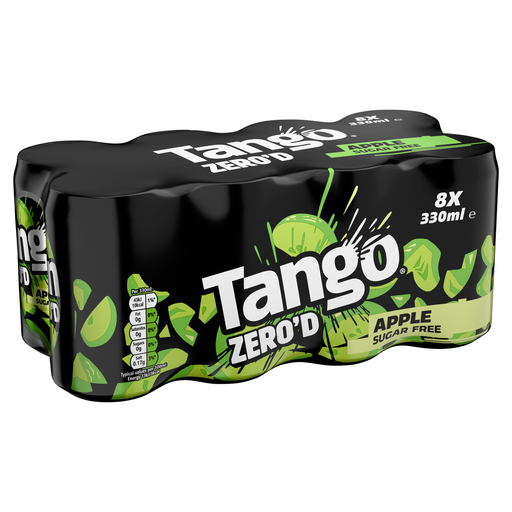 Image unavailable
This apple-flavoured soft drink is a canned alternative for routine refreshment, not a multipack of apple juice. The pack contains eight 330ml cans; check the current nutrition label against your own requirements.
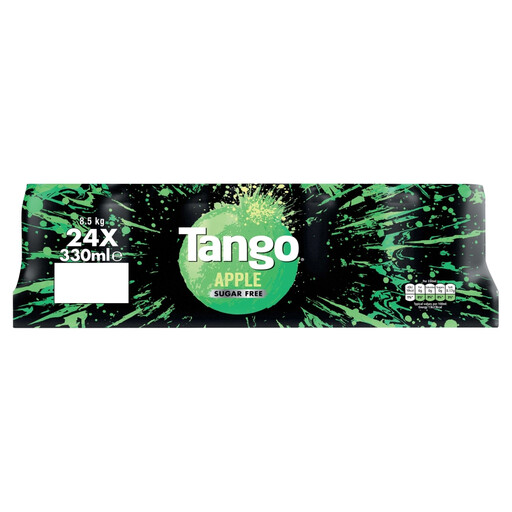 Image unavailable
For someone choosing an apple-flavoured soft drink rather than juice, this is a pack of twenty-four 330ml cans. It is not an apple-juice multipack; read the current label before deciding whether it fits your routine drink choices.
 Image unavailable
This sparkling apple-juice multipack is an option only if you intend to measure an occasional portion rather than treat a full can as an everyday drink. Joybuy lists 26g sugars per 250ml can; one can exceeds the NHS’s general 150ml daily guidance for fruit juice, vegetable juice and smoothies combined.
No. Fruit juice contains sugars even when no sugar has been added. ASDA lists 10.5g sugars per 100ml of Appletiser sparkling apple juice, or 26g in a 250ml can; compare the amount for the portion you intend to drink.
A full 250ml can is larger than the NHS’s general recommendation to limit fruit juice, vegetable juice and smoothies to a combined 150ml a day. If you are considering juice, check both the serving volume and its sugars against your individual dietary plan.
No. A 150ml pack matches the volume in the NHS’s general daily juice guidance, but its sugar content still needs checking. ASDA lists 17g sugars in its 150ml apple-juice carton.
A sugary drink can be part of an individual hypo treatment approach, but a multipack should not determine the treatment amount. Diabetes UK says what works depends on the person; follow the plan agreed with your diabetes team and check the drink’s current carbohydrate information.