Hosts serving children and families
Plan how juice will be poured rather than leaving it as an unrestricted self-serve drink. The NHS advises a combined maximum of 150ml of fruit juice and smoothies a day, served with meals.


Offer pure apple juice if guests want it, but pour small servings with food and keep water available. A no-added-sugar apple-based drink is a different option, not necessarily a sugar-free one: check its total sugars and ingredients rather than relying on the front-of-pack wording. The NHS advises limiting fruit juice and smoothies to a combined 150ml a day and having them with meals.
Plan how juice will be poured rather than leaving it as an unrestricted self-serve drink. The NHS advises a combined maximum of 150ml of fruit juice and smoothies a day, served with meals.
If total sugar matters to the choice, compare nutrition panels as well as ingredients. A drink labelled no added sugar can still contain sugars.
Pressed apple juice provides a recognisable juice option for guests who want one, but it still contains sugars. Tropicana UK and Copella Fruit Juices each list 10g sugars per 100ml for the apple juices described below.
Decide whether guests want pure juice, an apple-based drink or water, then check the label and the serving size you intend to offer.
| Priority | What to check | Your needs |
|---|---|---|
| Total sugars | Read the total-sugars line and its unit, whether per 100ml or per 100g. Check the ingredients before treating no added sugar as zero sugar; the NHS says sugars naturally present in unsweetened fruit juice count as free sugars. | I want to know what is in the glass, not just what the front label says. Marks & Spencer lists 7.4g sugars per 100g for its no-added-sugar apple-and-blackcurrant drink; that figure should not be directly compared with a per-100ml value. |
| Serving size | Check the container size against the amount you plan to pour. The NHS advises a combined maximum of 150ml of fruit juice and smoothies a day, with meals. | With children at the party, I would rather offer a small glass alongside food than make juice available for repeated refills. |
| Drink type | Check whether the pack describes 100% apple juice, a mixed-fruit juice drink or an apple-flavoured soft drink. Read the ingredients if guests specifically want apple juice. | Some guests may want pure apple juice; for others, an apple-based alternative or water may fit the drinks table better. |
| Party format | Count planned servings using the pack size, and check the current label for chilling and after-opening directions. | I need enough drinks for the gathering without opening more large bottles than the guests are likely to use. |
The wording does not describe total sugars. Marks & Spencer lists 7.4g sugars per 100g for its no-added-sugar Apple and Blackcurrant Juice Drink.
Compare the total-sugars line and serving size on the packs you are considering, keeping per-100g and per-100ml figures distinct.
The NHS says sugars in unsweetened fruit juice count as free sugars and advises limiting fruit juice and smoothies to a combined 150ml a day, with meals.
Pour small glasses with the party food and make water easy to find on the drinks table.
ASDA Groceries describes its Copella Cloudy Apple 1.35L bottle as nine 150ml servings and says to refrigerate it after opening and use it within four days.
Estimate how many glasses guests are likely to take before opening bottles, and follow the storage directions on the pack.
Tropicana UK describes Orchard Apple as 100% pressed apple juice, not from concentrate.
Copella Fruit Juices describes Cloudy Apple as pressed apple juice; ASDA Groceries lists a 1.35L bottle.
Tesco Groceries lists own-label and branded apple juices in its apple-juice category.
Marks & Spencer’s Apple and Blackcurrant Juice Drink illustrates a no-added-sugar apple-based option rather than pure apple juice.
These options cover a sparkling apple juice and several apple-flavoured party drinks in multipacks. Check each current pack label to distinguish pure juice, juice drinks and soft drinks when choosing what to pour.
 No image available
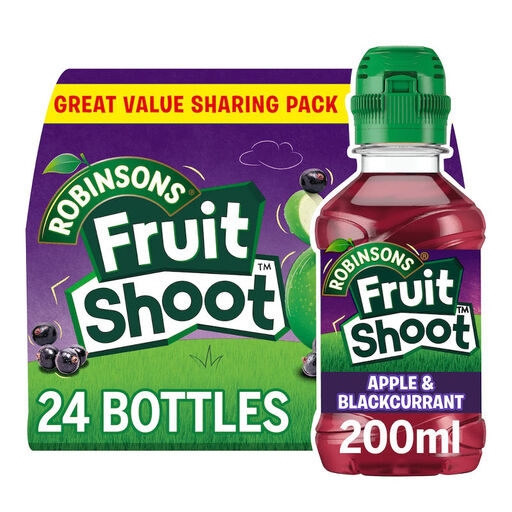
The 24 individual 200ml bottles are a format to consider if drinks will be handed out at the party. Check the current label for total sugars and ingredients rather than assuming an apple-and-blackcurrant drink is pure apple juice. Keep bottle caps away from children under 36 months because of the choking hazard noted for this product.
 No image available
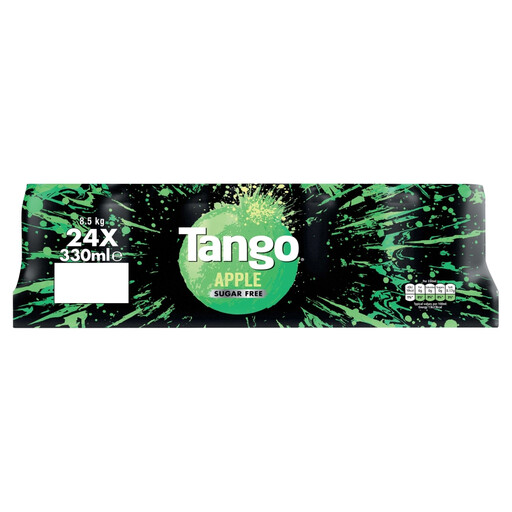
This apple-flavoured canned option suits a plan that includes a soft drink rather than pure apple juice. The pack contains 24 cans of 330ml; check the current nutrition and ingredients label, and bear the full-can size in mind if planning smaller servings.
 No image available
This is a sparkling apple-juice option for guests who want juice rather than an apple-flavoured soft drink. The six 250ml cans are larger than the NHS’s advised daily maximum of 150ml for fruit juice and smoothies combined, so a full can is not a small juice serving; pour into glasses if offering less.
 No image available
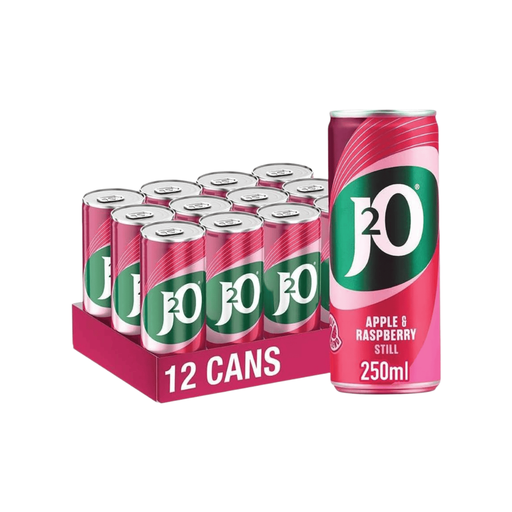
The 12-pack offers an apple-and-raspberry alternative when guests are not specifically asking for apple-only juice. Each bottle is 250ml; check the current ingredients, total sugars and after-opening directions when planning how it will be served.
No. The claim does not tell you the drink’s total sugars. The NHS says sugars naturally present in unsweetened fruit juice count as free sugars, and Marks & Spencer lists 7.4g sugars per 100g for its no-added-sugar Apple and Blackcurrant Juice Drink. Check the nutrition panel on the drink you intend to serve.
Offer a small serving with food rather than unlimited refills. The NHS advises limiting fruit juice and smoothies to a combined maximum of 150ml a day and having them with meals to reduce tooth-decay risk; keep water available too.
Yes. Tropicana UK describes Orchard Apple as 100% pressed apple juice, while Marks & Spencer lists apple juice, water and blackcurrant juice in its Apple and Blackcurrant Juice Drink. If a guest wants pure apple juice, check the product description and ingredients rather than relying on an apple-flavoured name.
Check ingredients, total sugars, container size and storage directions on the current pack, along with any dietary or allergen information your guests need. For large bottles, check the after-opening instructions before deciding how many to open.