Hosts comparing sugars per serving
An apple-flavoured drink with less listed sugar than the cited 100% juices may suit your table, provided guests are comfortable with a blend or a drink containing sweeteners.


Serve 100% apple juice if guests want a straightforward juice, but do not treat it as a low-sugar drink: the NHS says sugars in unsweetened juice count as free sugars and advises limiting juice and smoothies to a combined 150ml a day. If sugars per serving matter more, compare juice-and-water blends with no-added-sugar apple-based drinks, checking their fruit content and sweeteners. Sparkling 100% juice offers a different way to serve it, not a lower-sugar option simply because it is fizzy.
An apple-flavoured drink with less listed sugar than the cited 100% juices may suit your table, provided guests are comfortable with a blend or a drink containing sweeteners.
Choose a 100% juice when the ingredient list and familiar juice format matter. Plan measured pours and offer water or other non-juice drinks alongside it.
Sparkling apple juice gives guests a fizzy option. Check its sugar information just as you would for still juice, particularly if the suggested serving is larger.
Start with the drink type guests expect, then compare sugars at the same serving size and check whether the pack suits the gathering.
| Priority | What to check | Your needs |
|---|---|---|
| Sugars per serving | Compare nutrition figures for the same volume. Read “no added sugar” alongside total sugars: the NHS says sugars in unsweetened fruit juice count as free sugars. | I want to know what is in each glass, rather than assume that 100% juice or a no-added-sugar label means sugar-free. |
| Drink type | Read the product name and ingredients for 100% juice, added water, other fruits and sweeteners. The cited Tropicana Fresh & Light blend lists 50% apple juice, while Sainsbury’s no-added-sugar apple-and-pear drink lists 20% apple juice and 5% pear juice, according to their retailer listings. | For a familiar apple-juice pour, I would choose a 100% juice. If lower listed sugars matter more, I am willing to serve a different kind of apple-based drink. |
| Guest ingredients | Check the exact pack for sweeteners and allergen declarations. ASDA lists sulphites in its dilutable Apple High Juice; the Food Standards Agency identifies a reaction risk for people sensitive to sulphites. | Some guests avoid particular ingredients, so I want to identify each drink accurately on a self-serve table. |
| Serving format | Check pack volume, portion size and storage instructions. For dilutable drinks, compare nutrition for the prepared drink, not the concentrate. | Small individual packs would make serving simple; for a shared bottle, I need enough fridge space and a plan for what remains after the party. |
| Sparkling option | Check both juice content and the stated serving volume. ASDA’s listing for Appletiser describes 100% carbonated apple juice and gives 26g sugars per 250ml. | I want a fizzy alcohol-free toast, but I would not choose sparkling juice on the assumption that carbonation reduces its sugar content. |
Unsweetened fruit-juice sugars still count as free sugars under NHS guidance. Tropicana’s Orchard Apple listing, for example, gives 15g sugars per 150ml.
Compare total sugars at the same serving size, then decide whether a juice blend or a sweetener-containing juice drink fits your guests’ preferences.
A concentrate’s nutrition may be stated for the drink after dilution. ASDA gives the sugar figure for its Apple High Juice as prepared according to its directions.
Follow the stated dilution instructions and compare prepared servings of equal volume.
A larger bottle needs space to store and may leave unused juice after the gathering. Tesco’s Copella 1.35L listing identifies nine 150ml servings.
Estimate the number of pours before buying, and check each pack’s storage and after-opening instructions.
Fruit content and ingredients differ substantially: ASDA’s 150ml Apple & Pear Juice Drink lists 6% apple juice, 4% pear juice and sucralose.
Use the exact product name when setting out drinks, and check sweeteners and allergen declarations on the pack.
These examples show how named products differ; a brand or retailer may sell more than one type of apple-based drink.
Its cited Orchard Apple juice and Fresh & Light blend serve different buying priorities.
Cloudy Apple is a chilled apple-juice option for hosts who want that style of drink.
Its cited no-added-sugar Apple & Pear Juice Drink is an apple-based drink rather than pure apple juice.
Its cited individual Apple & Pear Juice Drink cartons offer a ready-to-serve format.
Its apple-juice category includes different juice styles and apple-based drinks.
The cited Tesco listings provide pack information for Tropicana and Copella juices.
These options cover shared apple juice, sparkling drinks and individually portioned apple-based drinks for a Christmas party. A product described as apple-flavoured or containing apple juice is not necessarily 100% apple juice.
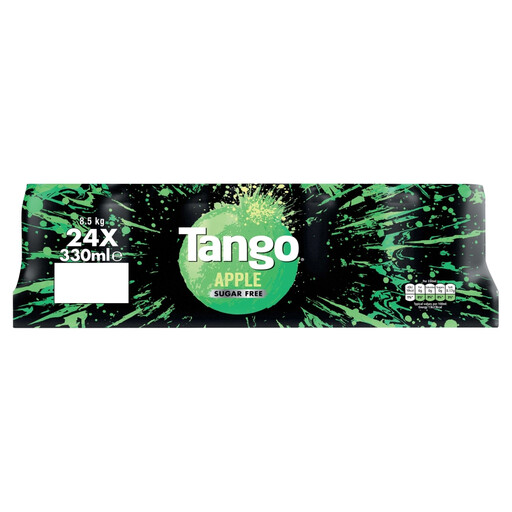 No image available
The individual cans offer a fizzy apple-flavoured drink for a gathering, rather than a 100% apple-juice pour. Check the ingredients if guests avoid sweeteners, and handle pressurised cans with care.
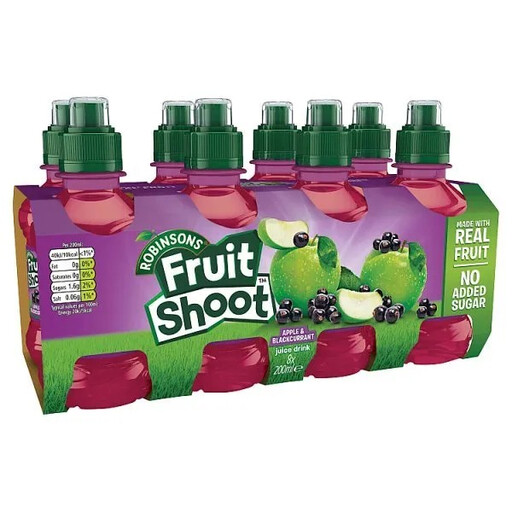 No image available
The small bottles suit individual servings when a mixed-fruit drink is acceptable. It is not pure apple juice; check the sweeteners and fruit content on the pack. The product information warns that the caps make it unsuitable for children under 36 months.
 No image available
This sparkling 100% juice fits an alcohol-free toast when juice content matters more than choosing a lower-sugar drink. The NHS advises limiting fruit juice, vegetable juice and smoothies to a combined 150ml a day, so consider the 250ml pack size when planning pours.
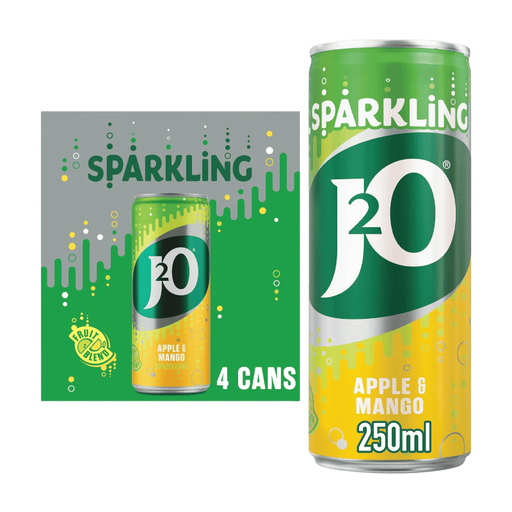 No image available
Choose this format for a sparkling mixed-fruit drink, not for guests expecting pure apple juice or a no-added-sugar option. Check the ingredient list if added sugar or sweeteners affect your choice.
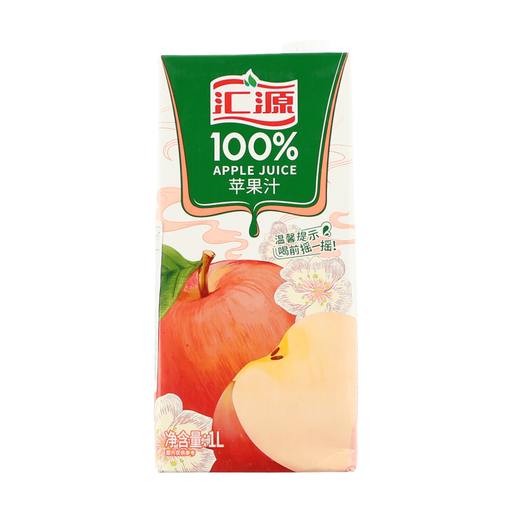 No image available
The 1L bottle is a shared apple-juice option. Joybuy’s product information lists water and apple juice concentrate as ingredients; check the pack’s nutrition and after-opening storage instructions when planning servings and leftovers.
No. Check total sugars on the nutrition panel: the NHS says sugars in unsweetened fruit juice count as free sugars. Some no-added-sugar apple-based drinks also contain sweeteners, so read the ingredient list if that matters to guests.
The NHS advises limiting fruit juice, vegetable juice and smoothies to a combined 150ml a day. Use that guidance when planning juice pours, and offer water or other non-juice drinks for guests who want more to drink.
Sparkling does not itself mean lower sugar. ASDA’s listing for 100% apple-juice Appletiser gives 26g sugars per 250ml; compare its nutrition per serving with any still drink you are considering.
Check each drink’s ingredients before serving it. The cited Sainsbury’s and ASDA no-added-sugar apple-and-pear drinks contain sweeteners; a 100% apple juice is a different option, though its sugars still need to be considered.
Check the dilution directions, prepared-drink nutrition and allergen declaration. ASDA lists sulphites in its Apple High Juice, and the Food Standards Agency notes a reaction risk for people sensitive to sulphites, including a higher risk for people with asthma.