Cinema-goers who want apple juice
If you prefer 100% or pressed apple juice, plan how much you will drink rather than treating the whole pack as one serving. The NHS advises no more than 150ml of fruit juice and smoothies combined each day.


Choose 100% apple juice if you want juice rather than a diluted drink and can manage the portion: the NHS advises limiting fruit juice and smoothies to a combined 150ml a day. If a lower listed sugar amount matters more than full juice content, compare no-added-sugar juice drinks by their ingredients and nutrition labels; the Tesco example contains 20% apple juice and still lists sugars. If you do not want to manage a juice portion during the film, choose a non-juice drink after checking its label.
If you prefer 100% or pressed apple juice, plan how much you will drink rather than treating the whole pack as one serving. The NHS advises no more than 150ml of fruit juice and smoothies combined each day.
A no-added-sugar apple juice drink may suit you if you are comfortable with a different formulation from 100% juice. Tesco Groceries lists 3.1g sugars per 150ml for its drink, which contains 20% apple juice from concentrate and sucralose.
An individual carton or bottle is straightforward to carry, but check its volume before treating it as a juice portion. The 200ml Tesco and M&S cartons and Copella’s 300ml bottle are each larger than the NHS’s 150ml daily guidance for fruit juice and smoothies.
Decide whether you want full apple juice at all, then compare the amount you would actually drink and the ingredients behind any sugar claim.
Choose it when: You want apple juice rather than a diluted drink and can keep track of your portion.
Bear in mind: The NHS advises limiting fruit juice and smoothies to a combined 150ml a day, even when the juice has no added sugar.
Choose it when: Lower listed sugars matter more to you than having 100% juice.
Bear in mind: Recipes vary: Tesco’s example contains 20% apple juice from concentrate and sucralose, and it is not sugar-free.
Choose it when: You would rather skip apple juice than save or share part of a pack during the film.
Bear in mind: Check that drink’s own ingredients and nutrition label; skipping juice alone does not tell you its sugar content.
| Priority | What to check | Your needs |
|---|---|---|
| Listed sugars | Compare sugars per 100ml and for the amount you expect to drink. Tesco Groceries lists 3.1g per 150ml for its no-added-sugar apple juice drink; Tropicana and Copella each list 15g per 150ml for their named apple juices. | I want to compare what is in my drink, not decide from a front-of-pack phrase. A no-added-sugar label does not, on its own, mean sugar-free. |
| Juice content | Read the product description and ingredients for the juice percentage and any sweeteners. Tropicana describes Orchard Apple as 100% pressed juice; Tesco Groceries lists 20% apple juice from concentrate and sucralose in its no-added-sugar drink. | If I want full apple juice, a diluted apple drink is a different choice, even if its listed sugars are lower. |
| Pack volume | Check the volume against what you intend to finish or share. The NHS advises no more than 150ml of fruit juice and smoothies combined per day; Tesco and M&S list 200ml juice cartons, while Copella lists a 300ml bottle. | A small pack is convenient for the cinema, but I may need to share or save some 100% juice rather than finish the pack. |
The phrases do not mean the same thing. Tesco Groceries lists 3.1g sugars per 150ml for its No Added Sugar Apple Juice Drink.
Check sugars per 100ml and per serving alongside the product name, particularly when comparing different pack sizes.
Finishing a 200ml juice carton or a 300ml juice bottle would exceed the NHS guidance of no more than 150ml of fruit juice and smoothies combined per day.
If you choose 100% juice for the film, consider whether you can share it or save some, and account for any juice you have already had that day.
A lower sugar figure can accompany a different recipe. Tesco’s no-added-sugar drink contains 20% apple juice from concentrate and sucralose; Tropicana describes Orchard Apple as 100% pressed juice.
Decide which product type you want before comparing sugars, serving sizes and ingredients within that choice.
These named products show why juice content, pack size and nutrition need separate checks; a brand name alone does not settle the cinema-drink choice.
Orchard Apple is Tropicana’s 100% pressed, not-from-concentrate apple juice.
Copella lists its Cloudy Apple juice in 250ml and 300ml bottles, as well as larger formats.
Tesco Groceries lists both a 100% apple juice carton and a separate no-added-sugar apple juice drink.
M&S lists an Apple Juice 200ml pack for shoppers considering an individual carton.
These options cover individual apple-flavoured drinks, mixed-fruit drinks and apple juice for measuring into smaller portions. Check the product label when juice content or listed sugars are central to your choice.
 No image available
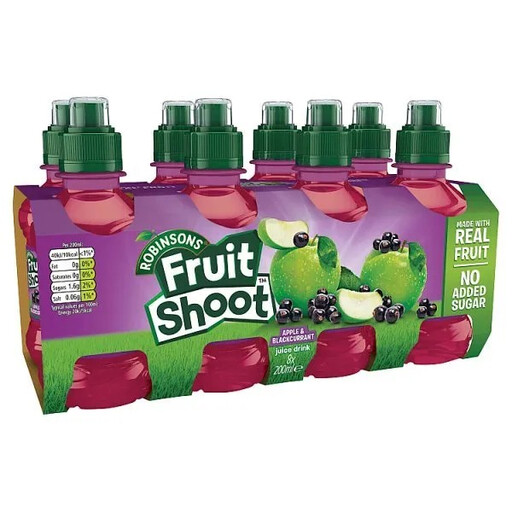
An individual-bottle choice if you want an apple-and-blackcurrant drink rather than 100% apple juice. The no-added-sugar wording is not a sugar-free claim; check the nutrition and ingredients for the bottle you plan to drink. The product listing warns that the caps are unsuitable for children under 36 months.
 No image available
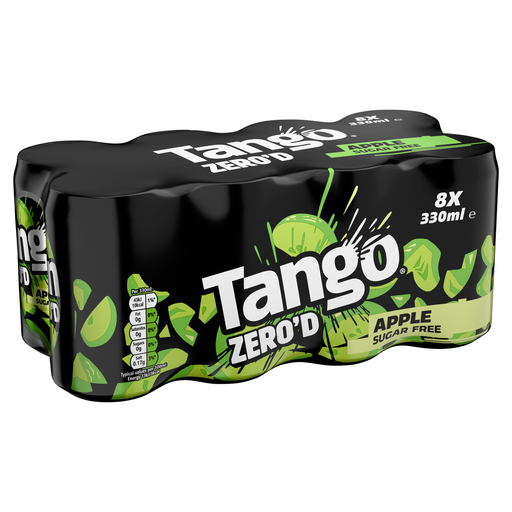
Consider this apple-flavoured canned drink if you want a fizzy option instead of full-strength apple juice. Check its ingredients and juice content if either matters to your choice, and handle the pressurised cans with care.
 No image available
A lightly sparkling 100% apple juice option if you want juice rather than a diluted drink. One 250ml serving exceeds the NHS guidance of no more than 150ml of fruit juice and smoothies combined per day. If you plan to keep some for later, check the container and its after-opening instructions first.
 No image available
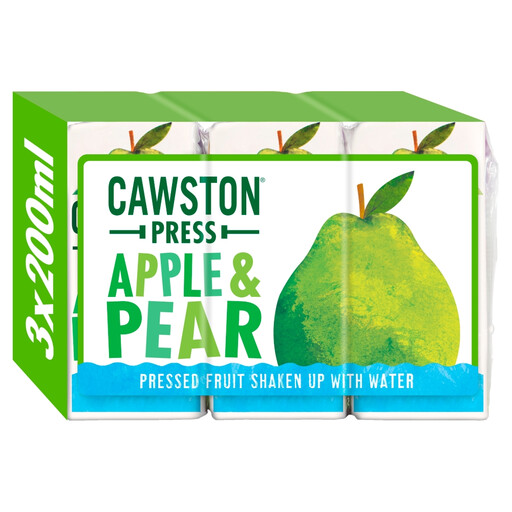
Three individual cartons may suit a trip where you want an apple-and-pear drink rather than plain apple juice. Because it is a mixed-fruit water, check its ingredients and sugars for the carton you intend to drink instead of comparing its name directly with 100% juice.
 No image available
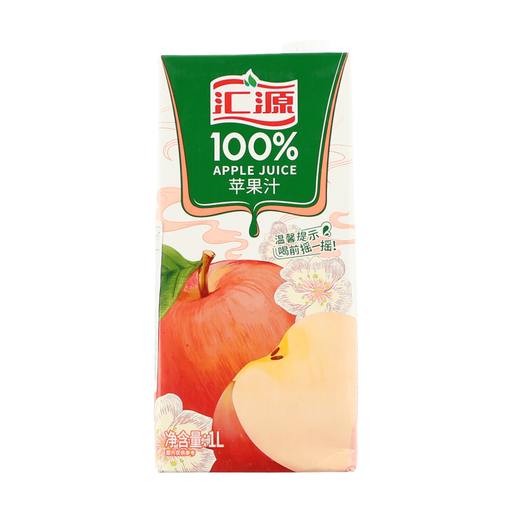
The 1L pack suits a plan to measure out juice rather than take a single ready-portioned drink. Joybuy lists water and apple juice concentrate in its ingredients and 10.2g sugars per 100ml. The NHS advises no more than 150ml of fruit juice and smoothies combined per day; check the pack’s storage instructions if you intend to save the remainder.
No. Check the sugars on the nutrition label as well as the wording on the front. Tesco Groceries lists 3.1g sugars per 150ml for its No Added Sugar Apple Juice Drink, which contains 20% apple juice from concentrate and sucralose.
No. The NHS advises limiting fruit juice and smoothies to a combined total of no more than 150ml a day. A 200ml carton is 50ml above that amount if you finish it; sharing it or saving some changes how much you drink.
No. For these named products, Tropicana and Copella each list 15g sugars per 150ml for their apple juices, while Tesco Groceries lists 3.1g per 150ml for its no-added-sugar apple juice drink. The Tesco drink is a different formulation, containing 20% apple juice from concentrate and sucralose, so compare both the nutrition and the ingredients.
Follow the storage and after-opening instructions on that specific pack. Check them before relying on a larger carton or bottle for a smaller cinema portion, rather than assuming different apple drinks can be stored for the same length of time.