Choose a glass-bottle apple juice for its presentation, not because the bottle or a “100% juice” label makes it a routine drink for someone managing diabetes. Diabetes UK explains that fruit juice contributes free sugars and has much of the fibre removed; for adults who choose juice, NHS guidance advises no more than 150ml of fruit juice and smoothies combined per day, at mealtimes. Diabetes UK identifies water as an everyday drink option.
Who is this choice for?
People managing diabetes who want an everyday drink
Diabetes UK identifies water as an everyday option and explains that fruit juice contributes free sugars. If apple flavour matters, compare the nutrition information on flavoured drinks rather than assuming juice is the everyday choice.
Occasional juice drinkers who prefer glass
A glass bottle can suit the way you want to serve a drink, but it does not tell you its sugar content. Ocado lists Daylesford Organic Sparkling Apple Juice in glass with 11g sugars per 100ml.
Shoppers comparing pressed apple juices
Check the same serving size on each nutrition panel. The Copella product page and ASDA’s Tropicana Pressed Apple listing each state 15g sugars per 150ml; neither figure establishes that the drink is suitable for routine use when managing diabetes.
What should you check?
Decide whether you want an everyday drink or an occasional serving of juice, then compare the label and packaging separately.
| Priority |
What to check |
Your needs |
| Everyday drink |
Check whether the drink is juice or a flavoured alternative. Diabetes UK says juice contributes free sugars and identifies water as an everyday option. |
I want an apple-flavoured drink for regular use, rather than choosing juice on the assumption that “100%” means sugar-free. |
| Juice serving |
Check the serving size and bottle volume. NHS guidance for adults is no more than 150ml of fruit juice and smoothies combined per day, at mealtimes. |
If I choose juice, I want to pour a measured small glass rather than treat the whole bottle as one serving. |
| Sugars on the label |
Compare sugars per 100ml and per stated serving, using the same measure across products. Copella and ASDA each list 15g sugars per 150ml for their cited apple juices. |
I want the nutrition panel to guide my choice, not words such as “pressed” or “not from concentrate”. |
| Glass packaging |
Confirm the bottle material separately from the nutrition information. Ocado lists Daylesford Organic Sparkling Apple Juice in glass with 11g sugars per 100ml. |
Glass matters to me for serving or presentation, but I still want to check the sugars and portion size. |
Common buying mistakes
-
Reading “100% juice” as a low-sugar claim
Production and ingredient descriptions do not remove the free sugars in juice. The Copella product page and ASDA’s Tropicana Pressed Apple listing each give 15g sugars per 150ml; Ocado lists 11g per 100ml for Daylesford’s glass-bottle sparkling juice.
Read the sugars figure alongside its stated quantity before comparing drinks. Do not use “organic”, “pressed” or “not from concentrate” in place of the nutrition panel.
-
Treating a large bottle as one serving
Diabetes UK says juice counts as only one fruit-and-vegetable portion however much you drink. A bottle can contain more than the small serving described in NHS guidance.
If you choose juice, measure 150ml and follow the NHS advice to have it at a mealtime; check the label for storage instructions for the remainder.
-
Using a glass bottle as a nutrition shortcut
Glass describes the packaging, not the sugars in the drink. Ocado lists Daylesford Organic Sparkling Apple Juice in glass and states 11g sugars per 100ml.
Choose glass if you prefer that presentation, while making the serving-size and nutrition checks you would make for any juice.
Apple juice brand references
These product-line examples help separate bottle format from nutrition; they are not a list of Joybuy products.
Daylesford Organic
Ocado lists Daylesford Organic Sparkling Apple Juice as a glass-bottle drink.
- The Ocado listing confirms the glass packaging and identifies apple juice and carbon dioxide as ingredients.
- The same listing states 11g sugars per 100ml; the bottle format does not change the need to check serving size.
Copella
Copella’s Cloudy Apple page provides nutrition information for a 150ml serving.
- Copella states 15g sugars and 1.1g fibre per 150ml, making the stated serving straightforward to assess.
- Diabetes UK explains that juice has much of the fibre in whole fruit removed; the Copella figures do not make juice an everyday sugar-free drink.
Tropicana
ASDA lists Tropicana Pressed Apple as a pressed juice that is not from concentrate.
- ASDA states 15g sugars per 150ml, allowing a serving-size comparison with Copella Cloudy Apple.
- The cited ASDA product is carton-packaged, so it does not meet a glass-bottle preference.
Apple-flavoured alternatives on Joybuy
These are apple-flavoured drinks to consider if flavour matters more than having apple juice in a glass bottle. Check each product’s nutrition information against your requirements; none of these selections is presented as glass-bottle apple juice.
 No image available
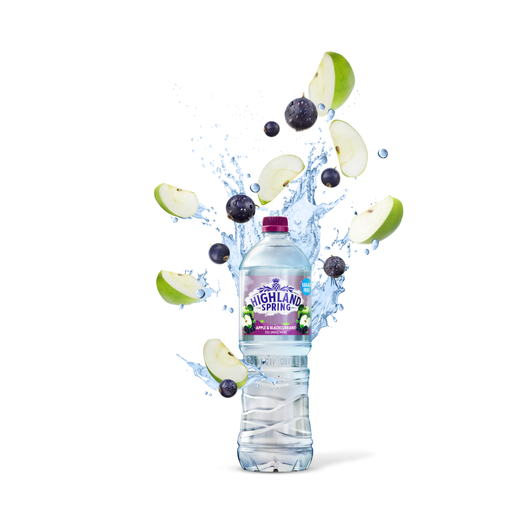
Highland Spring Apple & Blackcurrant Still Flavoured Water 1.25L
A still, apple-and-blackcurrant flavoured water for someone considering an alternative to juice. The bottle is 1.25L; check its nutrition panel if sugars are central to your choice. It is not apple juice or a glass-bottle juice selection.
View on Joybuy
 No image available
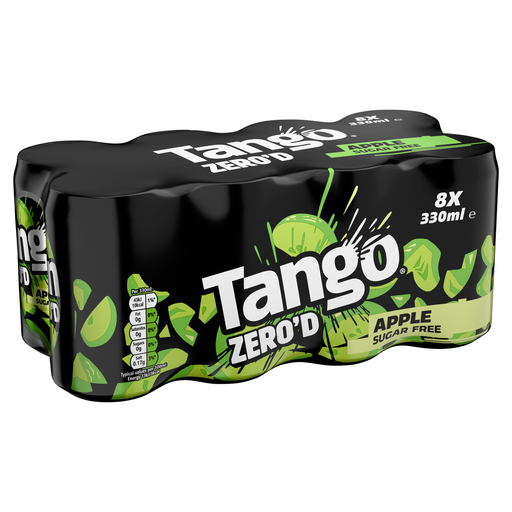
Tango Sugar Free Apple 8 x 330ml
An apple-flavoured drink option supplied as an 8 x 330ml pack, rather than glass-bottle apple juice. “Sugar Free” is part of the product name; check the nutrition panel and ingredients when deciding whether it meets your requirements.
View on Joybuy
 No image available
Tango Apple Sugar-Free Can 24 x 330ml
An apple-flavoured option in a 24 x 330ml can pack. It is not glass-bottle apple juice; check the nutrition panel and ingredients rather than relying on the product name alone.
View on Joybuy
Frequently asked questions
Is 100% apple juice an everyday drink when managing diabetes?
The “100% juice” description does not make it a sugar-free everyday drink. Diabetes UK explains that fruit juice contributes free sugars and has much of the fibre in whole fruit removed; it identifies water as an everyday option.
What serving size does UK guidance give for fruit juice?
NHS guidance advises adults to have no more than 150ml of fruit juice and smoothies combined per day and to have them at mealtimes. That is general guidance, not an individual diabetes plan.
Does a glass bottle mean apple juice contains less sugar?
No: bottle material is not a measure of sugar content. Ocado’s listing for Daylesford Organic Sparkling Apple Juice identifies a glass bottle and states 11g sugars per 100ml, so check the nutrition panel separately.
How can I compare two apple juices?
Compare sugars using the same quantity, then check how much you intend to pour. Copella’s Cloudy Apple page and ASDA’s Tropicana Pressed Apple listing both state 15g sugars per 150ml; also confirm the packaging if glass matters to you.


