
24/7 Customer Support

Free returns

Same-day & Next-day Delivery

Quality Guaranteed

Unlock Your Welcome Offers: FREE Delivery | Up to 80% OFF | Free 30-day JoyPlus trial
Download the APP
Buying apple juice drinks can seem straightforward until the label reveals added sugar, sweeteners, a small fruit percentage or a pack size that does not suit your routine. UK shoppers may be choosing a breakfast drink, lunchbox option, mixer or an international fruit beverage, but each category has different considerations.
This guide explains the main buying traps, the label details worth checking and our top recommendations for different household needs.
An apple-themed label does not necessarily mean a product contains mostly apple juice. Some ready-to-drink fruit drinks contain a relatively small percentage of fruit juice alongside water, sugar, sweeteners, flavourings and acidity regulators.
Check the ingredients list and quantitative fruit declaration. For example, an apple and blackcurrant drink may contain 6% apple juice and 2% blackcurrant juice, while a 100% apple juice product should identify apple juice or apple juice from concentrate as the sole juice ingredient.
A no-added-sugar fruit drink can still contain naturally occurring sugars from fruit juice. Compare both the “of which sugars” figure and the serving size rather than relying only on front-of-pack wording.
Some no-added-sugar options use sweeteners to keep energy values low. If you prefer to avoid sweeteners, check the ingredients for substances such as sucralose, acesulfame K, aspartame or steviol glycosides.
An apple juice multipack can offer convenience, but a large case may be wasteful if your household only drinks juice occasionally. Conversely, small bottles can cost more per litre when bought for several family members.
Consider total volume, storage space, opening instructions and use-by guidance after opening. Cans may suit social occasions, while resealable bottles can be more practical for children or packed days out, subject to the safety guidance on the packaging.
These descriptions indicate different formats:
Per-100ml information allows a fair comparison between different products. Serving information shows what you may actually consume. For instance, Appletiser 100% Apple Juice Lightly Sparkling contains 47 kcal and 10.5g sugars per 100ml, or 118 kcal and 26g sugars per 250ml can, according to the supplied product information.
By contrast, Fruit Shoot Black & Apple No Added Sugar lists 4 kcal and 0.7g sugars per 100ml. Its ingredients include sweeteners, so it suits shoppers looking for a low-calorie option who are comfortable with that formulation.
For UK households, convenience often depends on more than flavour. Look for:
Always check the physical packaging for the current ingredients, allergen information, best-before date and storage instructions, as formulations and labels can change.
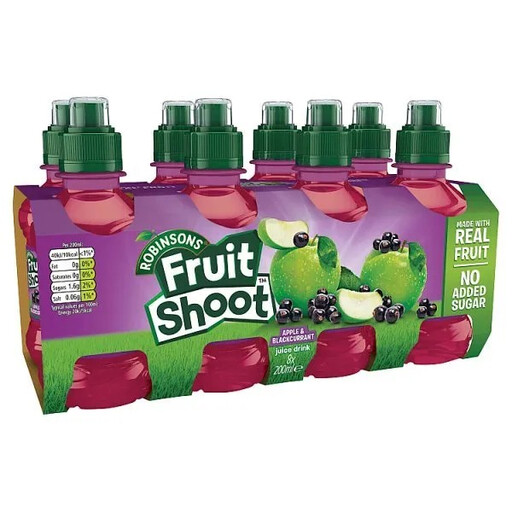
Why This Fits Their Persona: The 8 x 200ml format is convenient for family outings, packed lunches and portion-controlled serving sizes.
The label states no added sugar and provides clear per-100ml nutrition, while the ingredients disclose the sweeteners used.
4 kcal and 0.7g sugars per 100ml; no artificial colours or flavourings listed.

Why This Fits Their Persona: A chilled sparkling apple juice in 250ml cans for dinners, gatherings or as an alcohol-free mixer.
The product description identifies carbonated apple juice from concentrate at 100%, rather than presenting a small fruit percentage as a juice-led drink.
100% apple juice; 250ml cans; no added preservatives listed.
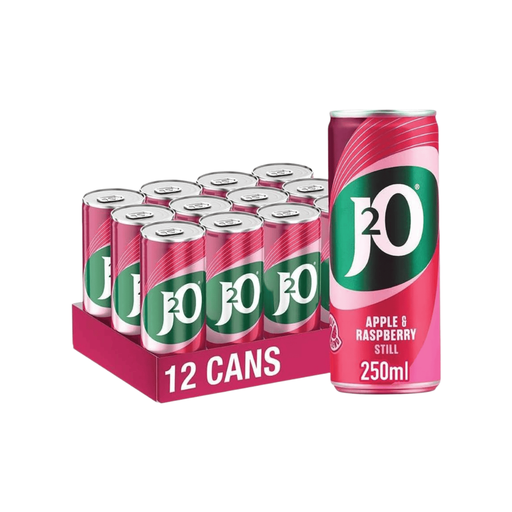
Why This Fits Their Persona: The 12-can pack suits households that regularly serve non-alcoholic fruit drinks at meals, parties or social occasions.
The apple and raspberry percentages are stated as 22% and 2%, helping shoppers understand that this is a fruit blend rather than 100% juice.
18 kcal and 4g sugars per 100ml; 12 x 250ml format for regular hosting.
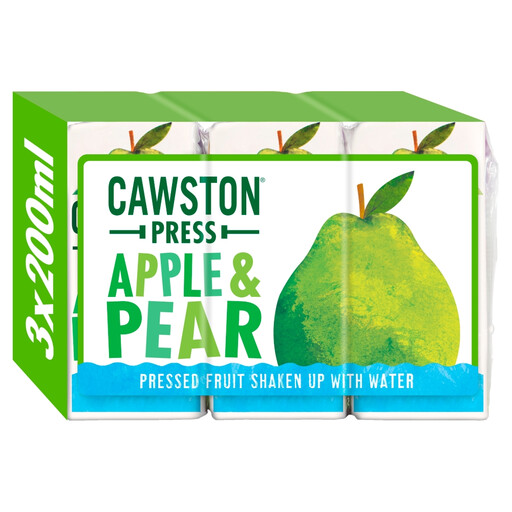
Why This Fits Their Persona: Three 200ml cartons are easy to portion for school lunches, picnics and family days out.
The supplied information states 60% pressed fruit content and no added sugar, artificial sweeteners, colours or preservatives.
27 kcal and 6.4g sugars per 100ml; 200ml cartons with recyclable packaging information supplied.
We have compiled a complete, real-time list of products that fully satisfy these strict selection criteria and UK safety regulations.
Not necessarily. A 100% apple juice drink contains sugars naturally present in apples, and the amount depends on the product and serving size. Compare the nutrition panel per 100ml and per portion. “100% juice” describes the juice content, not a low-sugar claim.
It can provide more servings from one bottle, particularly when diluted according to the label. However, compare the price per prepared litre rather than the shelf price alone. Also check whether the squash contains sweeteners, preservatives or declared allergens.
Follow the individual packaging instructions. Many 1L cartons and bottles should be refrigerated after opening and consumed within a stated period, while some single-serve cans are intended to be consumed promptly. Keep unopened products in a cool, dry place where instructed, and check the best-before information before serving.