What should you check before choosing?
Start with the carbohydrate on the exact pack and the volume you intend to drink. Then consider how that drink fits your fluid routine and what you have practised during training.
| Priority | What to check | Your needs |
|---|
| Carbohydrate amount |
Read carbohydrate per 100ml and per serving, then count the volume you plan to drink. The reviewed 100% juice labels give 14.1g to 17g per 150ml; World Athletics advises 30–60g per hour for 1–2.5-hour endurance events. |
I want to know what the drink contributes to my long-run fuel plan, rather than assuming one glass covers an hour. |
| Drink type |
Distinguish 100% juice, a juice drink and a sugar-free soft drink. ASDA Groceries lists 1.2g carbohydrate per 100ml for its Apple & Pear Juice Drink and negligible carbohydrate for Tango Zero’d Apple. |
If I choose an apple-flavoured drink without much carbohydrate, I will need to obtain my planned fuel elsewhere. A no-added-sugar claim alone will not settle the question. |
| Fluid and tolerance |
Check the serving volume and any carbonation or sweeteners. Practise the exact drink and any accompanying food or fuel during training; UK Sports Institute guidance notes that pre-run choices vary between individuals. |
I need a drink and serving size I have tried on long runs, while keeping fluid and carbohydrate decisions deliberate. |
| Everyday portions |
Separate deliberate endurance fuelling from routine drinking. NHS guidance advises limiting fruit juice and smoothies to 150ml a day in ordinary intake and identifies water as the main way to replace lost fluid. |
Outside a planned training session, I want to treat juice as a measured drink rather than my default way to rehydrate. |
Apple-drink brands and labels to compare
These product-line examples show why the nutrition panel and drink description matter more than an apple-flavour label alone.
Tropicana
Tesco Groceries lists Tropicana Pressed Apple Juice as 100% pressed juice with no added sugar and naturally occurring sugars.
- The listed juice provides 11g carbohydrate per 100ml and 17g per 150ml serving.
- Count that serving as one contribution to a longer-run plan, not a complete hourly amount under World Athletics guidance.
ASDA
ASDA Groceries lists both a 100% pressed Apple Juice and a separate Apple & Pear Juice Drink; they are different drink types.
- Its Apple Juice label lists 12g carbohydrate per 100ml and 17g per 150ml serving.
- Its Apple & Pear Juice Drink lists 1.2g carbohydrate per 100ml. Check which product you have rather than treating “no added sugar” as a fuel measure.
Sainsbury's
Sainsbury's lists a 100% pressed apple juice made from apple juice and not from concentrate.
- The listed product provides 9.4g carbohydrate per 100ml and 14.1g per 150ml serving.
- Its serving contributes carbohydrate but does not, on its own, reach World Athletics’ hourly guidance for prolonged endurance events.
M&S
Marks & Spencer publishes a UK nutrition panel for its Apple Juice.
- The panel lists 10.6g carbohydrate and 10.3g sugars per 100g.
- Those figures are given per 100g, not per 100ml. Use the pack’s serving information when counting the amount you drink.
Copella
Sainsbury's lists Copella Cloudy Apple Fruit Juice in 300ml, 900ml and 1.35L formats.
- The different pack sizes offer a choice of serving and storage format.
- For a fuel plan, read the carbohydrate and serving figures on the exact pack you choose.
Apple-drink options on Joybuy
These options cover an apple-flavoured sugar-free soft drink, apple juice, fruit water and an apple juice drink. Choose by the drink type and the nutrition panel on the exact pack; the formats are not interchangeable as training fuel.
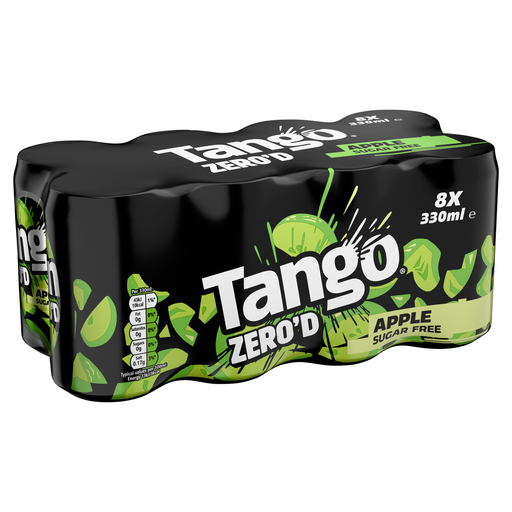 Image unavailable
Tango Sugar Free Apple 8 x 330ml
An apple-flavoured sugar-free option when carbohydrate fuel is planned separately.
The pack contains eight 330ml cans. Check the carbohydrate figure on the can rather than counting this drink towards a long-run fuel target.
View on Joybuy
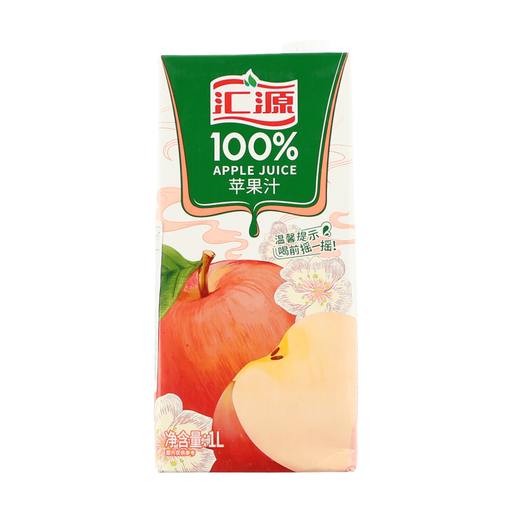 Image unavailable
Huiyuan Apple Juice 1L
A bottled apple juice to consider if you want to measure a serving as part of a training fuel plan.
The bottle is 1L. Check its carbohydrate per serving and drink classification on the pack before calculating its contribution.
View on Joybuy
 Image unavailable
Appletiser 100% Apple Juice Lightly Sparkling 6 x 250ml
A sparkling 100% apple juice option if you want a defined can size for counting what you drink.
The pack contains six 250ml cans. Practise with a sparkling drink during training before making it part of an event-day plan.
View on Joybuy
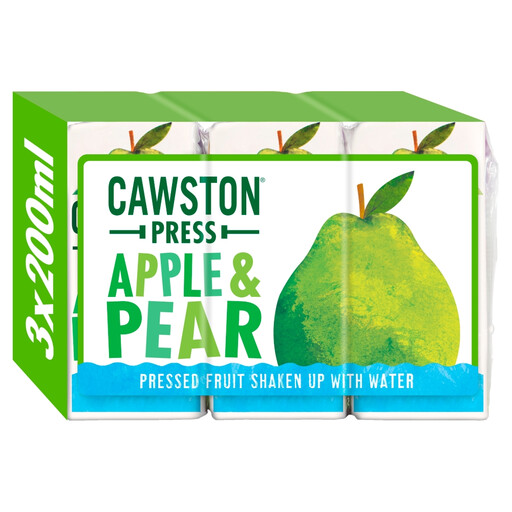 Image unavailable
Cawston Press Apple & Pear Fruit Water 3 x 200ml
An apple-and-pear fruit water in small cartons for someone choosing a drink by portion size.
The pack contains three 200ml cartons. Fruit water is not the same product type as 100% apple juice; use its own carbohydrate panel when planning fuel.
View on Joybuy
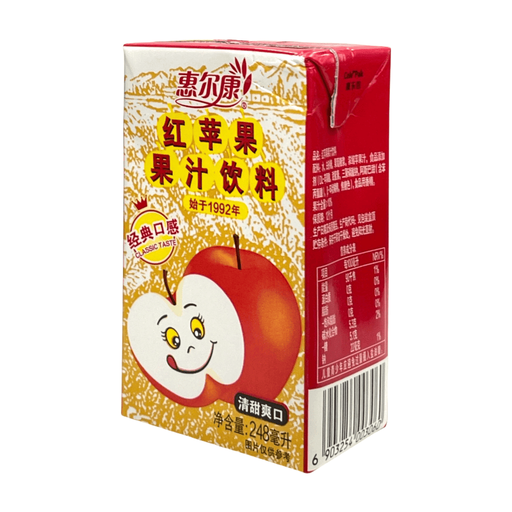 Image unavailable
Huierkang Red Apple Juice Drink 248ml
An individual apple juice drink carton to compare with juice and sugar-free soft drinks.
The carton is 248ml. Because it is described as a juice drink rather than 100% apple juice, check its own carbohydrate per serving before including it in a fuel plan.
View on Joybuy
Frequently asked questions
Can regular apple juice contribute to marathon fuel?
Yes, as one measured source of carbohydrate rather than a complete plan. The reviewed 100% juice labels give 14.1g to 17g per 150ml serving; World Athletics advises 30–60g per hour for 1–2.5-hour endurance events and up to 90g per hour for longer events. Count the amount you will actually drink alongside other fuel you have practised using.
Does “no added sugar” make an apple drink suitable for race fuel?
No: the phrase does not tell you whether the drink supplies enough carbohydrate. ASDA Groceries lists 1.2g carbohydrate per 100ml, or 1.8g per carton, for its Apple & Pear Juice Drink. Read the carbohydrate figure on the exact product rather than relying on the front-of-pack wording.
Is a zero-sugar apple drink the same as apple juice?
No. ASDA Groceries describes the reviewed Tango Zero’d Apple as a carbonated sugar-free apple soft drink with negligible carbohydrate. It can be a flavour choice, but it should not stand in for carbohydrate planned for a marathon.
Should apple juice replace water after a sweaty run?
Use water as the main way to replace lost fluid, in line with NHS guidance, which also advises drinking extra fluid after sweating. For ordinary intake, the NHS advises limiting fruit juice and smoothies to 150ml a day; keep any deliberate endurance-fuelling plan distinct from everyday drinking.
Should I try apple juice for the first time on event day?
Try the exact drink and serving size during training first. UK Sports Institute guidance notes that pre-run food and drink choices vary between individuals, so practise the timing and any accompanying fuel on long runs before relying on that combination for an event.


