Choose a no-added-sugar juice drink or diluted squash if a lower labelled sugar amount matters more to you than having 100% apple juice; check the prepared drink’s nutrition panel, fruit content and sweeteners. Choose 100% apple juice if you want juice itself, while paying attention to the serving size. For a post-gym snack, have the drink alongside food that provides protein rather than relying on the drink alone.
Who might choose each apple drink?
Gym-goers comparing sugar on the label
If you want an apple-flavoured drink with less labelled sugar than the 100% juices considered here, compare sugars per 100ml of the drink as consumed. Check fruit content and sweeteners too: a juice drink or diluted squash is not the same product as straight apple juice.
People building a post-gym snack
If the drink is part of your snack rather than simply something to sip, consider what you will eat with it. University College London Hospitals NHS Foundation Trust describes carbohydrate-and-protein snacks for use around exercise; the apple juice examples from ASDA Groceries and Copella each list just 0.3g protein per 150ml.
Shoppers who specifically want apple juice
A pressed apple juice may suit you better than a juice drink or squash when fruit content is the deciding factor. Check the portion as well as the ingredients: ASDA Groceries lists 15g sugars per 150ml for Tropicana Pressed Apple, and Copella lists the same amount for its Cloudy Apple.
What should you check before choosing?
Decide whether you want straight juice, a ready-to-drink juice drink or squash to dilute, then compare the drink you would actually pour.
| Priority |
What to check |
Your needs |
| Drink type |
Read the product description and fruit percentage. A juice drink can combine fruits; squash needs diluting before you drink it. |
I want to know whether I am buying apple juice itself or an apple-flavoured alternative. |
| Labelled sugars |
Compare sugars per 100ml on the same ready-to-drink basis, then check the amount in your serving. Sainsbury's lists 3.9g per 150ml for its Apple & Pear Juice Drink; ASDA Groceries lists 15g per 150ml for Tropicana Pressed Apple. |
Keeping the sugar amount in my drink lower matters more to me than choosing 100% juice. |
| Ingredients |
Check the ingredients as well as a no-added-sugar claim. Sainsbury's lists acesulfame K and sucralose in its Apple & Pear Juice Drink, and sucralose and a sulphite ingredient in its Apple High Juice Squash. |
I want to choose knowingly between a sweetened juice drink, a dilutable squash and pressed juice. |
| Snack pairing |
Look at protein per serving and consider the food accompanying the drink. University College London Hospitals NHS Foundation Trust describes snacks containing both carbohydrate and protein for use around exercise. |
After training, I want a snack with food as well as a drink, rather than treating apple juice as the whole snack. |
| Juice portion |
Measure a serving if choosing 100% juice. Public Health England advises limiting juice and smoothies to a combined 150ml a day; 150ml of unsweetened 100% juice counts as one fruit-and-vegetable portion. |
I prefer straight juice, so the amount I pour matters as much as the bottle size. |
Common label and snack mistakes
-
Reading “no added sugar” as “no sugar”
A no-added-sugar drink can still list sugars. Sainsbury's Apple & Pear Juice Drink lists 3.9g sugars per 150ml and contains sweeteners.
Check sugars on the nutrition panel and sweeteners in the ingredients list before deciding whether the drink meets your preference.
-
Using the drink as the whole post-gym snack
Apple juice need not provide the protein component of a snack: the Tropicana and Copella examples each list 0.3g protein per 150ml. University College London Hospitals NHS Foundation Trust describes snacks containing carbohydrate and protein for use around exercise.
Choose what food to have alongside the drink if you are assembling a post-gym snack.
-
Comparing squash concentrate with straight juice
Squash is prepared with water, whereas a juice drink is ready to drink and 100% juice is a different product type. Comparing the concentrate with a prepared drink would not reflect what goes into your glass.
Follow the squash’s dilution instructions, then compare sugars per 100ml of the prepared drink and check its ingredients.
-
Overlooking the size of a juice serving
ASDA Groceries and Copella each list 15g sugars per 150ml for the pressed apple juices considered here. Public Health England advises a combined daily limit of 150ml for juice and smoothies.
If choosing 100% juice, pour a measured serving rather than judging the amount by the bottle.
Apple-drink brand and retailer examples
These labelled products illustrate differences between pressed juice, a ready-to-drink juice drink and squash; the figures apply to the named products, not every drink from each brand or retailer.
Tropicana
Tropicana Pressed Apple is a 100% pressed juice option for someone who wants apple juice rather than a diluted drink.
- ASDA Groceries lists apple juice and ascorbic acid as its ingredients and describes it as not from concentrate.
- The same listing gives 15g sugars and 0.3g protein per 150ml; being 100% juice does not make this a lower-sugar drink.
Copella
Copella Cloudy Apple is a pressed apple juice for shoppers choosing juice rather than a juice drink or squash.
- Copella lists pressed apple juice and vitamin C as ingredients.
- Copella lists 15g sugars and 0.3g protein per 150ml, so consider both the serving size and what food accompanies it.
Sainsbury's
Its Apple & Pear Juice Drink is ready to drink; its Apple High Juice Squash is a separate option that needs diluting.
- Sainsbury's lists 3.9g sugars per 150ml for the juice drink and 2.5g per prepared 250ml serving for the squash.
- The juice drink contains 20% apple and 5% pear juice from concentrate. Both products list sweeteners, and the squash lists sodium metabisulphite.
Tesco
Tesco’s Grower's Harvest No Added Sugar Apple Juice Drink is a label example of a juice drink rather than 100% apple juice.
- Tesco lists 50% apple juice from concentrate and 6.9g sugars per 150ml.
- It contains sucralose and lists 0.2g protein per 150ml.
M&S
M&S Cloudy Apple Juice is another juice label to compare when fruit content and ingredients matter.
- Marks & Spencer describes this product as containing no artificial sweeteners, colours or flavourings.
- Its listing gives 10.2g sugars per 100g. Do not compare that figure directly with per-100ml drink values without a common measurement basis.
Joybuy apple-flavoured drink options
These ready-to-drink apple-flavoured soft drinks are options for shoppers considering a no-added-sugar or sugar-free label after the gym. They are not the 100% pressed apple juices or dilutable squash discussed above; consider food alongside either drink when assembling a snack.
 No image available
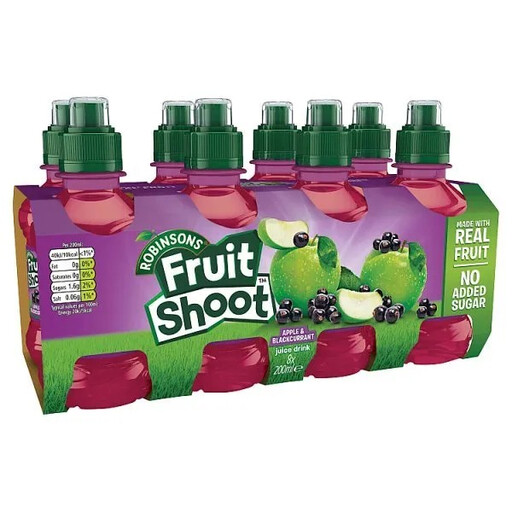
Fruit Shoot Black & Apple No Added Sugar, 8 × 200ml
The individual bottles offer a ready-to-drink apple-and-blackcurrant option when you want a no-added-sugar label. This is a soft drink, not 100% apple juice; check the pack’s nutrition and ingredients if its sugar amount, sweeteners or protein contribution matters to your snack choice.
View on Joybuy
 No image available
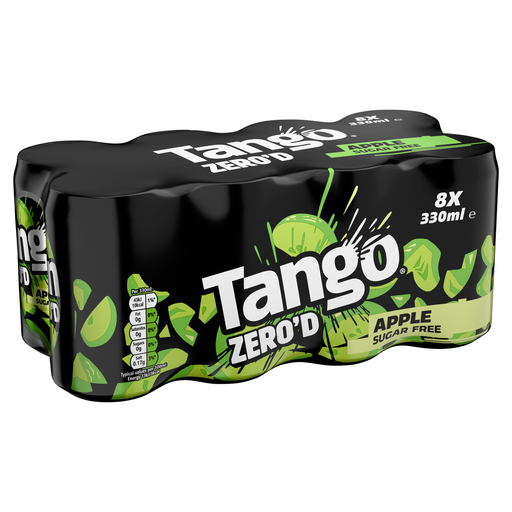
Tango Sugar Free Apple, 8 × 330ml
This apple-flavoured, ready-to-drink option suits someone choosing a sugar-free soft drink rather than apple juice. It is not a substitute for the food component of a post-gym snack; check its ingredients if sweeteners affect your choice.
View on Joybuy
Questions about apple drinks after the gym
Does “no added sugar” mean an apple drink contains no sugar?
No. A drink can carry a no-added-sugar label and still list sugars in its nutrition information. Sainsbury's Apple & Pear Juice Drink, for example, lists 3.9g sugars per 150ml and contains sweeteners, so check both the nutrition panel and ingredients.
Can 100% apple juice be my whole post-gym snack?
Treat it as the drink part rather than assuming it provides everything you want from a snack. University College London Hospitals NHS Foundation Trust describes carbohydrate-and-protein snacks for use around exercise, while the Tropicana and Copella apple juices considered here each list 0.3g protein per 150ml. Choose a protein-containing food to have alongside the juice.
How much 100% juice counts as a fruit-and-vegetable portion?
Public Health England states that 150ml of unsweetened 100% fruit or vegetable juice counts as one portion and advises limiting juice and smoothies to a combined 150ml a day. Measure what you pour rather than using the bottle size as a serving guide.
Should I choose a ready-to-drink juice drink or squash?
Choose by whether you want a drink you can open immediately or one you are happy to dilute. Sainsbury's Apple & Pear Juice Drink is ready to drink and lists 3.9g sugars per 150ml; its Apple High Juice Squash needs diluting and lists 2.5g per prepared 250ml serving. Check the ingredients too, including sweeteners and the sulphite ingredient listed for the squash.


